Improving Jaw Mobility Through Upper Cervical Chiropractic Care
Upper cervical chiropractic care offers a promising approach to improving jaw mobility by focusing on the critical alignment of the atlas and axis vertebrae. These vertebrae play a pivotal role in nervous system function and jaw movement. Research supports their alignment’s influence on reducing muscle tension, joint inflammation, and enhancing neural pathways. This technique not only targets the root causes of restricted jaw movement but also contributes to overall improved neurological communication. Discover the transformative potential of this care.
Understanding the Connection Between the Neck and Jaw
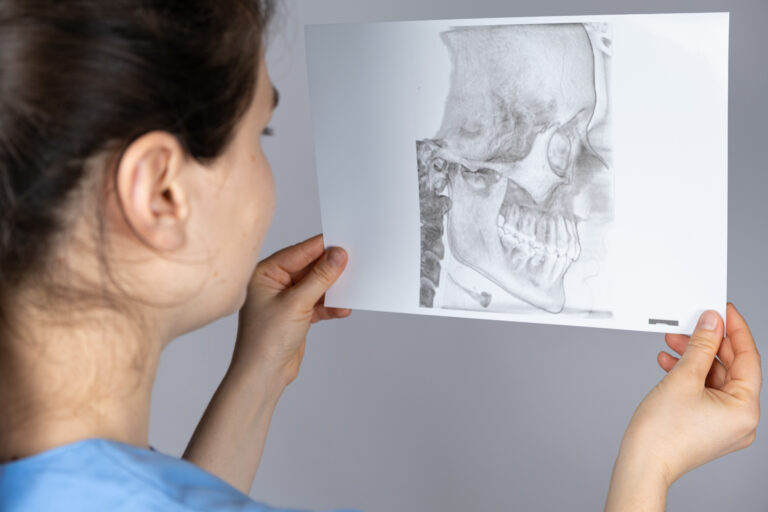
While often overlooked, the intricate relationship between the cervical spine and the temporomandibular joint (TMJ) is critical for understanding jaw mobility issues. The neck jaw relationship is defined by the cervical mandibular connection, which greatly influences TMJ function. Misalignments in the cervical spine can result in altered mandibular mechanics, leading to restricted jaw movement and discomfort. Clinical studies have demonstrated that cervical spine position affects TMJ biomechanics, emphasizing the importance of evaluating cervical alignment in patients with jaw dysfunction. This interconnectedness necessitates an extensive assessment approach, considering both cervical and mandibular structures in diagnosing and managing jaw-related conditions. Through patient-focused interventions, addressing cervical spine misalignments can facilitate improved jaw mobility, reducing associated symptoms and enhancing quality of life.
The Role of the Cervical Spine in Jaw Function
How important is the cervical spine in maintaining ideal jaw function? The cervical spine plays a pivotal role, as its intricate joint biomechanics greatly influence mandibular movements. The cervical vertebrae anatomy, composed of seven vertebrae, provides structural support and facilitates neuromuscular communication between the central nervous system and the temporomandibular joint (TMJ). Misalignment or dysfunction within this region can disrupt neural pathways, altering the proprioceptive input required for perfect jaw function. Evidence suggests that altered cervical spine mechanics may lead to compensatory stress on the TMJ, potentially resulting in pain or restricted mobility. Understanding the interplay between cervical vertebrae and jaw function is indispensable for clinicians aiming to improve patient outcomes through targeted interventions, thereby enhancing overall quality of life for individuals experiencing jaw dysfunction.
What Is Upper Cervical Chiropractic Care?
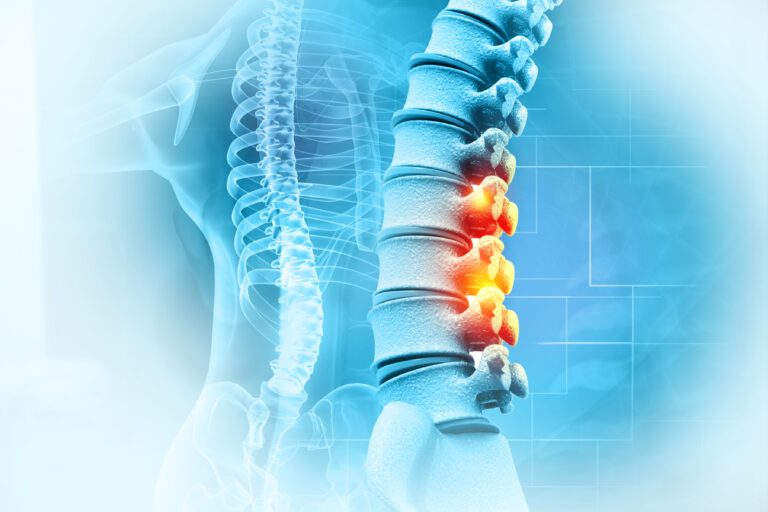
Upper cervical chiropractic care is a specialized approach in the field of chiropractic medicine focused on the precise alignment of the uppermost vertebrae in the cervical spine, namely the atlas (C1) and axis (C2). This technique emphasizes understanding cervical spine anatomy to address misalignments that can impact neurological function. Utilizing chiropractic principles, practitioners employ gentle, targeted adjustments to realign these critical vertebrae, aiming to guarantee seamless nervous system function and improve overall health outcomes. Research indicates that proper alignment of the C1 and C2 vertebrae can have significant effects on body balance, posture, and neurological communication. Patient-focused care involves thorough assessments, including imaging and posture evaluation, to tailor individualized treatment plans. This approach supports holistic health by potentially alleviating various conditions linked to spinal misalignments.
How Misalignments Affect Jaw Mobility
Misalignments in the upper cervical spine, specifically involving the atlas and axis vertebrae, can substantially impair jaw mobility. When these vertebrae are misaligned, they exert abnormal pressure on surrounding tissues and neural pathways. This misalignment can lead to muscle tension causes, as the muscles compensate for the disrupted biomechanics, resulting in restricted jaw movement. Additionally, joint inflammation factors play a significant role in exacerbating the condition. Inflammatory responses may occur due to altered joint function and stress on the temporomandibular joint (TMJ), further hindering mobility. The cumulative effect of these disruptions can lead to chronic pain, reduced range of motion, and functional limitations. Understanding these mechanisms is indispensable for devising effective upper cervical chiropractic interventions aimed at restoring ideal jaw function.
Identifying Symptoms of Jaw and Neck Misalignments
Identifying symptoms of jaw and neck misalignments is vital for effective intervention and improved patient outcomes. Common indicators include jaw pain and tension, which may be accompanied by clicking or limited range of motion, as well as neck discomfort manifesting through stiffness or restricted movement. These symptoms can greatly impede daily functions, highlighting the need for timely assessment and targeted chiropractic care to restore alignment and mobility.
Recognizing Jaw Pain Indicators
How does one discern the underlying causes of jaw discomfort? To effectively identify jaw discomfort indicators, it is essential to recognize TMJ symptoms, which often manifest as pain or tenderness in the jaw area. Common indicators include clicking or popping sounds during jaw movement, difficulty in chewing, and a limited range of motion. Evidence suggests that these symptoms may stem from misalignments in the temporomandibular joint, potentially linked to upper cervical spinal issues. Patients experiencing these symptoms should consult healthcare professionals for thorough evaluation and diagnosis. Objective assessment through clinical examination and imaging can confirm TMJ dysfunction, leading to targeted interventions. Recognizing these indicators early aids in implementing effective management strategies, potentially improving jaw mobility and alleviating discomfort.
Spotting Neck Discomfort Signs
While recognizing jaw pain indicators is pivotal in addressing TMJ issues, understanding neck discomfort signs is equally important due to their interconnected nature. Identifying neck tension patterns involves observing symptoms such as persistent stiffness, limited range of motion, and headaches originating from the cervical region. Recognizing muscle tightness indicators includes noting localized tenderness, increased muscle tone, and discomfort upon palpation of the neck and shoulder areas. These signs can point to underlying jaw and neck misalignments, necessitating an extensive evaluation. Evidence-based studies emphasize the significance of a multidisciplinary approach in diagnosing these symptoms. By focusing on these clinical observations, healthcare providers can formulate tailored interventions that address the root causes, promoting improved patient outcomes and enhanced cervical spine functionality.
Misalignment’s Impact on Movement
When misalignment occurs within the jaw or cervical structures, it substantially affects an individual’s movement and overall functional capability. Joint dysfunction in these areas often leads to impaired range of motion and pain during activities such as speaking or eating. Muscle imbalances develop as compensatory mechanisms, further exacerbating movement limitations and discomfort. Clinical indicators of such misalignments include jaw clicking, headaches, and neck stiffness. Research suggests that these symptoms result from altered biomechanics and increased strain on surrounding tissues. Identifying these manifestations early allows for targeted therapeutic interventions, such as upper cervical chiropractic care, aimed at realigning the structures and restoring essential function. A thorough assessment by healthcare professionals is pivotal in diagnosing and managing the complex interplay between joint dysfunction and muscle imbalances.
The Process of Upper Cervical Chiropractic Adjustments
Upper cervical chiropractic adjustments utilize precise techniques aimed at correcting cervical spine misalignments, which can vastly impact jaw mobility. By focusing on the alignment of the atlas and axis vertebrae, practitioners guarantee that these adjustments are both targeted and minimally invasive. Evidence suggests that when cervical alignment is optimized, patients often experience improvements in neuromuscular function, potentially alleviating symptoms associated with temporomandibular disorders.
Precise Adjustment Techniques
The precise adjustment techniques utilized in upper cervical chiropractic care involve a meticulous and evidence-based process designed to enhance jaw mobility and overall spinal alignment. These specific adjustment techniques focus on delivering precise spinal adjustments that are tailored to the individual’s anatomical and physiological needs. The practitioner employs advanced diagnostic tools and methods, ensuring the interventions are both effective and safe.
- Instrument-assisted adjustments: Utilize specialized instruments to deliver controlled force, minimizing patient discomfort.
- Manual adjustment procedures: Involve hands-on techniques that require significant skill and anatomical knowledge to achieve desired outcomes.
- Patient-specific protocols: Are developed based on detailed assessments, ensuring that each adjustment aligns with the patient’s unique condition.
These methods are integral to optimizing therapeutic outcomes and improving the patient’s quality of life through enhanced functionality and reduced discomfort.
Targeting Cervical Alignment
Targeting cervical alignment within the scope of upper cervical chiropractic adjustments necessitates a highly specialized approach to guarantee ideal spinal health and jaw mobility. Chiropractors employ precise, evidence-based techniques to address cervical motion restriction, thereby enhancing overall function. The process begins with a thorough assessment using advanced imaging to identify misalignments that may impede nerve communication. Following diagnosis, practitioners apply gentle, calculated adjustments to restore vertebral alignment, promoting natural spinal decompression. This method alleviates pressure on the nervous system and reduces tension in surrounding musculature, which can considerably impact jaw mobility. By rectifying cervical misalignments, chiropractors aim to improve the patient’s quality of life, facilitating better jaw articulation and reduced discomfort, fostering a holistic approach to musculoskeletal health.
Real-Life Success Stories of Improved Jaw Mobility
Chronic jaw issues can profoundly impact quality of life, affecting both daily functions and overall well-being. Many patients have experienced significant improvements following upper cervical chiropractic interventions. Patient testimonials reveal a remarkable enhancement in daily activities and overall jaw mobility.
These success stories highlight several key outcomes:
- Enhanced Mastication: Patients have reported less pain and increased efficiency in chewing, translating to improved nutritional intake.
- Speech Improvement: Some have noted clearer articulation and reduced fatigue during conversations, indicating enhanced oral motor function.
- Reduced Discomfort: A significant decrease in jaw-related discomfort has been observed, contributing to better sleep and reduced stress levels.
Additional Benefits of Upper Cervical Care
Building upon the success stories of improved jaw mobility, upper cervical chiropractic care offers a range of additional benefits that extend beyond the jaw. This specialized chiropractic approach is linked to increased energy levels, attributed to the realignment of the cervical spine, which positively impacts nervous system function and enhances overall physiological efficiency. Moreover, patients often report reduced inflammation, a critical factor in various systemic conditions. This reduction is achieved through precise adjustments that promote ideal blood flow and nerve communication, fostering a more balanced inflammatory response. The evidence supporting these outcomes underscores the holistic advantages of upper cervical care, emphasizing its role in not only addressing musculoskeletal issues but also enhancing overall health and well-being, making it a valuable therapeutic modality.
Finding the Right Upper Cervical Chiropractor for You
When seeking an upper cervical chiropractor, it is crucial to contemplate several evidence-based factors to guarantee ideal care outcomes. Patients should prioritize qualifications to evaluate, ensuring the practitioner is credentialed and experienced in upper cervical techniques. Finding a trusted provider involves assessing their professional reputation and patient testimonials. A comprehensive assessment should include:
- Certification and Licensure: Verify that the chiropractor holds up-to-date credentials and board certifications specific to upper cervical care.
- Specialization and Experience: Consider the practitioner’s years of experience and any additional training in treating jaw mobility issues.
- Patient-Centered Approach: Assess whether the provider tailors treatment plans based on individual patient needs and outcomes.
Frequently Asked Questions
How Long Does It Take to See Improvements in Jaw Mobility With Chiropractic Care?
Patients often experience noticeable progress in jaw mobility within several weeks of initiating chiropractic care. However, sustained benefits typically require ongoing treatment and may vary based on individual conditions, frequency of sessions, and adherence to prescribed exercises.
Are There Any Risks Associated With Upper Cervical Chiropractic Adjustments?
The potential side effects of upper cervical chiropractic adjustments include headaches and dizziness. Safety precautions, such as thorough patient evaluation and practitioner expertise, are essential. Evidence suggests these risks are minimal with proper technique, ensuring a patient-focused approach.
Can Upper Cervical Chiropractic Care Help With Conditions Like TMJ Disorder?
Upper cervical chiropractic care may assist in alleviating TMJ disorder by addressing joint dysfunction and muscular imbalances. By realigning the cervical spine, this approach could potentially improve neuromuscular function, consequently enhancing jaw mobility and reducing associated symptoms.
How Often Should One Receive Upper Cervical Chiropractic Adjustments for Jaw Mobility?
Determining proper adjustment intervals for jaw mobility enhancement requires consideration of individual patient needs. Factors include the severity of the condition, response to initial treatments, and ongoing assessment by a qualified chiropractor to optimize therapeutic outcomes.
Is Upper Cervical Chiropractic Care Suitable for Children and Elderly Individuals?
Upper cervical chiropractic care’s suitability for infants and adaptability for seniors depends on individual assessments. Practitioners evaluate anatomical and physiological conditions, tailoring techniques to guarantee safety and effectiveness through evidence-based protocols and patient-focused approaches for diverse age groups.