The Impact of Whiplash on TMJ and Jaw Alignment
Whiplash, a sudden neck snap from impacts like car accidents, can severely disturb the temporomandibular joint (TMJ) and jaw alignment. The abrupt force affects cervical and craniofacial regions, potentially dislocating the joint and altering occlusion. Such disruptions lead to TMJ dysfunction, characterized by pain, inflammation, and limited jaw mobility. Understanding the intricate relationship between whiplash trauma and TMJ issues is crucial for effective diagnosis and treatment strategies. What are the extensive approaches for addressing these complications?
Understanding Whiplash and Its Mechanism
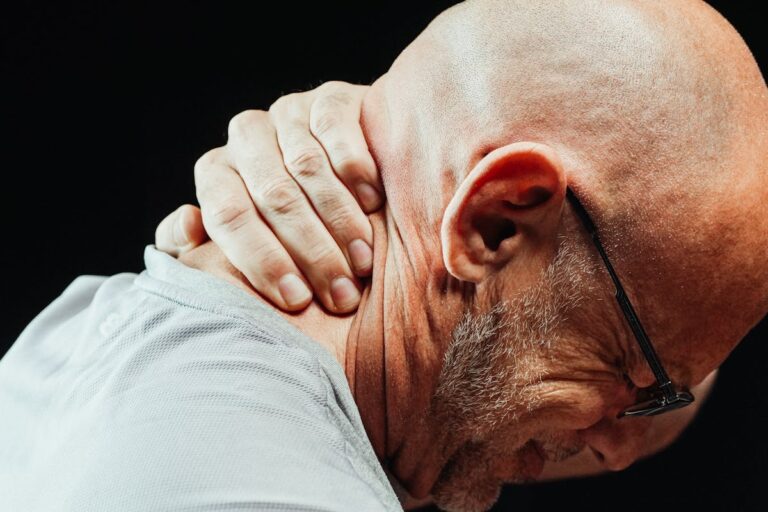
How does whiplash occur? Whiplash typically results from rapid acceleration-deceleration movements, such as those experienced during rear-end vehicular collisions. The biomechanics of whiplash involve a complex interaction of forces acting upon the cervical spine. This phenomenon initiates a sequence where the head and neck are first hyperextended and subsequently hyperflexed. Such abrupt kinematic events exceed the normal physiological range of motion, causing soft tissue damage. The primary causes of whiplash include vehicular impacts, falls, and physical assaults. These incidents generate mechanical forces that compromise the structural integrity of ligaments, muscles, and tendons in the neck region. Understanding the biomechanics of whiplash is essential for developing effective prevention and treatment strategies, minimizing the risk of long-term musculoskeletal complications.
Anatomy of the Temporomandibular Joint
The temporomandibular joint (TMJ), a sophisticated synovial articulation, plays a critical role in jaw mobility and function. It comprises the mandibular condyle and the articular fossa of the temporal bone, separated by an articular disc. This disc facilitates smooth movement and distributes mechanical stress across the joint structure. The TMJ’s intricate design enables hinge and gliding motions essential for mastication, speech, and expression. Muscular interactions profoundly influence TMJ dynamics, involving muscles such as the masseter, temporalis, and pterygoids. These muscles coordinate to modulate the jaw’s elevation, depression, protrusion, and retraction. Ligamentous support, including the temporomandibular and sphenomandibular ligaments, stabilizes the joint structure, ensuring functional harmony between bony components and muscular forces.
How Whiplash Affects the TMJ
Whiplash can greatly impact the temporomandibular joint (TMJ) by causing misalignment of the jaw, resulting in functional disturbances. The excessive strain placed on the surrounding musculature can lead to muscle tension and spasms, exacerbating the condition. Additionally, the resultant inflammation from such trauma often triggers pain, further complicating the clinical presentation of TMJ dysfunction.
Misalignment of Jaw
A significant number of individuals who experience whiplash subsequently report issues related to the temporomandibular joint (TMJ), including jaw misalignment. This condition often results from joint dislocation, which occurs due to the abrupt force applied to the cervical spine and craniofacial structures during whiplash incidents. The resulting misalignment can lead to occlusal changes, altering the way the upper and lower teeth meet, which may further exacerbate TMJ symptoms. Such displacement disrupts the harmonious function of the jaw, causing discomfort and potential dysfunction. The mechanical stress on the TMJ from whiplash can lead to compromised joint integrity, influencing mandibular positioning and alignment. Clinically, these alterations necessitate careful assessment to restore ideal occlusion and joint stability, mitigating long-term complications.
Muscle Strain Impact
Muscle strain plays a crucial role in the impact of whiplash on the temporomandibular joint (TMJ). Whiplash, characterized by abrupt neck movement, often results in muscle stiffness and muscle weakness within the cervical and masticatory muscles. This muscular disruption can compromise the functional integrity of the TMJ. Muscle stiffness can lead to restricted joint mobility, impacting the jaw’s range of motion and alignment. Concurrently, muscle weakness diminishes the muscular support required for essential TMJ function. The imbalance between stiffness and weakness may exacerbate TMJ dysfunction, altering the biomechanics of jaw movements. Ultimately, this muscular strain can perpetuate misalignment, further stressing the joint and contributing to a cascade of compensatory postural adjustments, complicating recovery and rehabilitation efforts.
Inflammation and Pain
The inflammatory response following a whiplash injury can substantially affect the temporomandibular joint (TMJ), often manifesting as pain and discomfort. Whiplash-induced inflammation may lead to TMJ disorders, characterized by swelling and impaired jaw function. Effective management strategies focus on:
- Swelling Reduction: Utilization of anti-inflammatory medications can mitigate inflammation, thereby alleviating pressure on the TMJ.
- Muscle Relaxation: Physical therapy and specific exercises targeting the jaw muscles can enhance relaxation, reducing tension and improving joint alignment.
- Pain Management: Application of heat or cold therapy, alongside pharmacological interventions, can provide symptomatic pain relief.
These approaches aim to restore normal function and comfort by addressing inflammation and associated muscular tension, facilitating enhanced recovery from whiplash-related TMJ disturbances.
Common Symptoms of TMJ Dysfunction Post-Whiplash
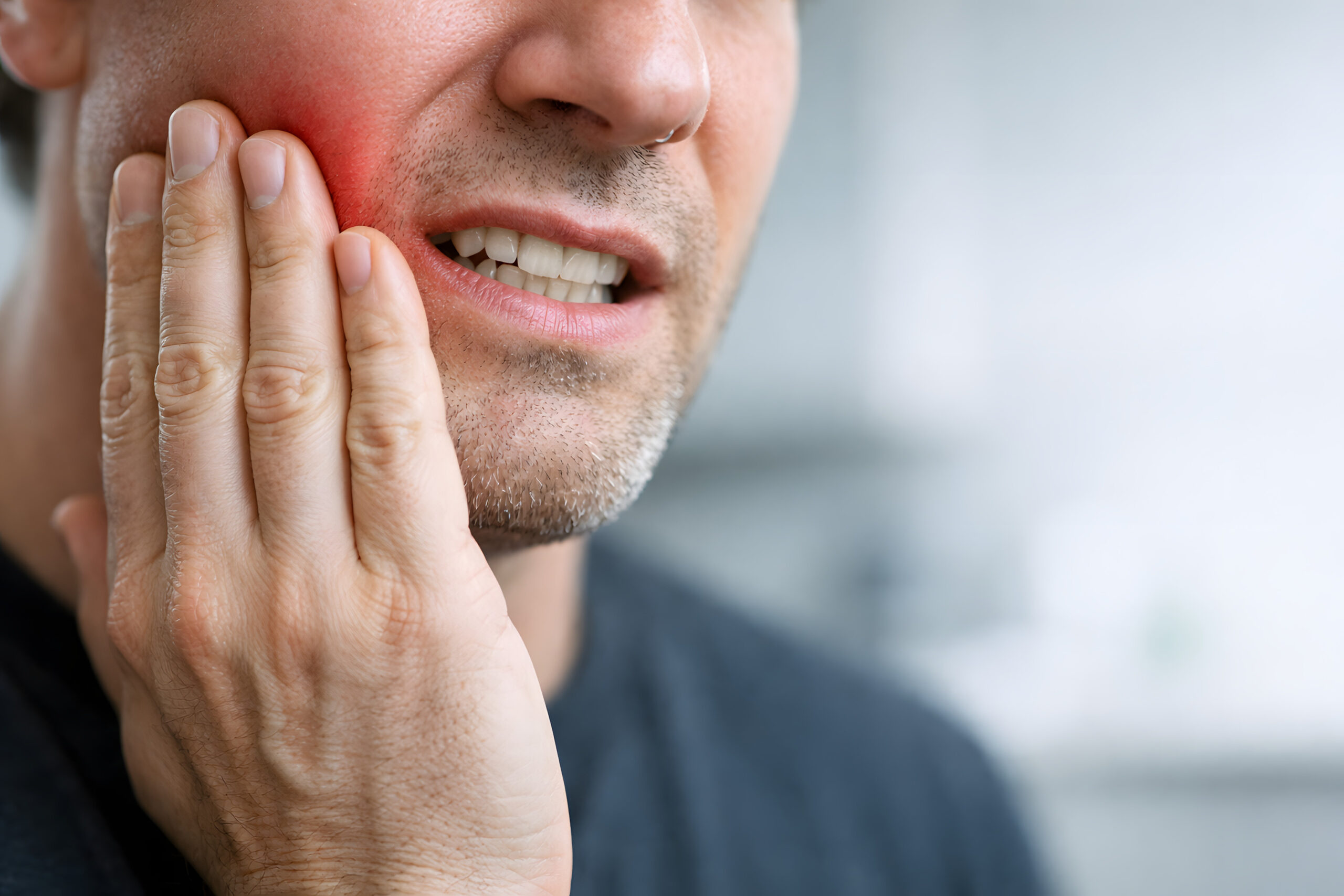
Following a whiplash incident, patients frequently report the onset of jaw pain, which can be indicative of TMJ dysfunction. This condition often results in difficulty chewing foods due to compromised jaw mechanics and muscle strain. Additionally, individuals may experience restricted jaw movement, further impairing normal oral functions.
Jaw Pain Onset
When an individual experiences whiplash, the abrupt force exerted on the neck can lead to a cascade of physiological disruptions, including the onset of jaw pain. This pain often indicates underlying jaw function impairment and occlusal instability. Such disturbances manifest in several ways:
- Muscle Strain: The temporomandibular joint (TMJ) and associated muscles endure significant stress, resulting in discomfort and inflammation.
- Joint Misalignment: Whiplash may displace the TMJ, causing occlusal instability and erratic jaw movements, exacerbating the pain experienced.
- Neurological Impacts: Nerve irritation due to the sudden motion can contribute to pain perception, further complicating symptomatology.
These elements collectively highlight the complex interrelationship between cervical trauma and TMJ dysfunction, underscoring the need for thorough evaluation and management of jaw-related symptoms post-whiplash.
Difficulty Chewing Foods
Jaw pain onset from whiplash frequently progresses to functional disruptions, prominently manifesting as difficulty chewing foods. This symptom arises from temporomandibular joint (TMJ) dysfunction, a condition exacerbated by the trauma of whiplash. Patients often report discomfort while eating, characterized by pain, muscle fatigue, and the sensation of misalignment. These symptoms can lead to compromised mastication efficiency, where chewing food becomes burdensome and insufficient. In addition, difficulty swallowing may accompany these issues, as the coordination between jaw and throat muscles is disrupted. The cumulative effect of these challenges may result in nutritional deficiencies due to avoidance of certain foods, consequently emphasizing the importance of prompt clinical intervention. Addressing these symptoms is essential for restoring normal masticatory function and overall quality of life.
Limited Jaw Movement
Frequently, individuals experiencing whiplash may also suffer from limited jaw movement, a hallmark symptom of TMJ dysfunction. This condition often manifests as restricted mouth opening and reduced jaw mobility, substantially impacting daily activities. Clinically, limited jaw movement can be attributed to musculoskeletal disturbances caused by the whiplash event. Patients may encounter:
- Restricted Mouth Opening: Difficulty in achieving full mouth opening, limiting oral activities such as speaking and eating.
- Reduced Jaw Mobility: Inhibited lateral and protrusive jaw movements, affecting functional tasks like chewing.
- Muscle Stiffness: Increased tension in the masticatory muscles, contributing to discomfort and limited jaw function.
These symptoms require thorough assessment and tailored therapeutic interventions to restore functional capacity and alleviate discomfort associated with TMJ dysfunction post-whiplash.
Diagnosing TMJ Issues Related to Whiplash
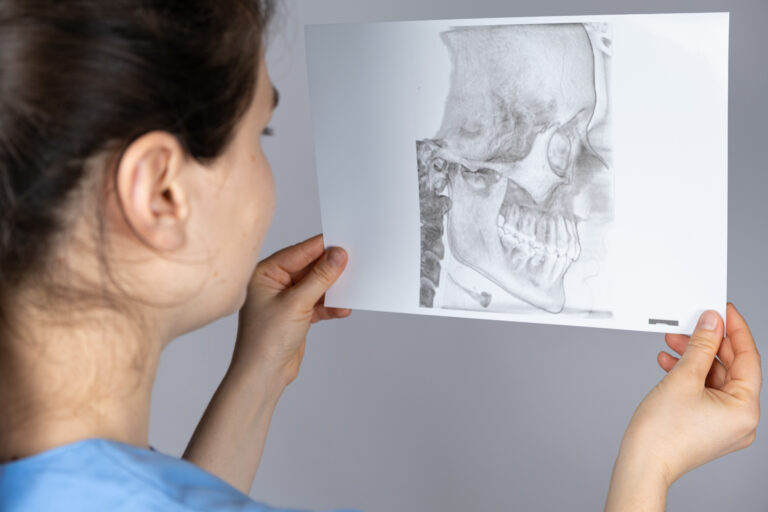
How does one accurately diagnose Temporomandibular Joint (TMJ) issues stemming from whiplash injuries? Diagnosis begins with an exhaustive clinical evaluation. Evaluation techniques involve a meticulous assessment of jaw function, palpation of the joint and surrounding muscles, as well as an analysis of the patient’s medical history. Clinicians assess for pain, sounds like clicking or popping, and limitations in jaw movement. Diagnostic imaging plays a pivotal role in confirming TMJ disorders. Techniques such as panoramic radiographs, magnetic resonance imaging (MRI), and computed tomography (CT) scans are employed to visualize joint structures and soft tissues. These imaging modalities provide detailed insights into potential dislocations, disc displacements, or joint degeneration, aiding in the precise identification of TMJ dysfunction linked to whiplash trauma.
Treatment Options for Whiplash-Induced TMJ Dysfunction
The treatment of whiplash-induced Temporomandibular Joint (TMJ) dysfunction typically involves a multidisciplinary approach, integrating both conservative and, if necessary, more invasive interventions. Primary strategies include:
- Restorative Massage Techniques: These are employed to alleviate tension and improve blood circulation within the affected musculature, promoting relaxation and reducing pain associated with TMJ dysfunction.
- Therapeutic Exercises: These exercises aim to enhance jaw mobility, strengthen supportive muscles, and realign jaw structures, thereby addressing functional impairment due to whiplash.
- Oral Appliances: Custom-fitted splints or mouthguards may be prescribed to stabilize the jaw and prevent further misalignment or stress during the healing process.
Utilizing a combination of these modalities, healthcare professionals can effectively address the multifaceted nature of TMJ dysfunction resultant from whiplash injuries.
The Role of Physical Therapy in Recovery
In addressing the multifaceted challenges of TMJ dysfunction following whiplash, physical therapy emerges as a pivotal component in the recovery process. Evidence-based rehabilitative exercises specifically target the masticatory muscles, aiming to enhance muscle strength and flexibility, thereby improving jaw alignment and reducing pain. Manual therapy techniques, including joint mobilization and soft tissue manipulation, are employed to alleviate muscle tension and joint stiffness, facilitating improved range of motion. The integration of these therapeutic modalities is essential in resetting neuromuscular control and promoting functional recovery. Additionally, physical therapists provide patient education to support self-management strategies, optimizing long-term outcomes. Through a tailored approach, physical therapy addresses both the acute symptoms and underlying biomechanical issues inherent in whiplash-induced TMJ dysfunction.
Prevention Strategies for Reducing Whiplash Impact
Effective prevention strategies for reducing the impact of whiplash focus on minimizing risk factors and enhancing physical resilience. These strategies are critical in maintaining ideal musculoskeletal function and preventing TMJ misalignment. Key methodologies include:
- Posture Adjustments: Emphasizing ergonomic principles in daily activities helps maintain cervical spine alignment, reducing strain on the neck and jaw.
- Muscle Strengthening: Targeted exercises for neck and shoulder muscles increase stability, providing a protective mechanism against sudden impacts.
- Vehicle Safety Measures: Properly adjusted headrests and seatbelts mitigate the force transmitted to the neck during collisions, considerably lowering whiplash incidence.
Through these interventions, individuals can substantially reduce the likelihood of experiencing severe whiplash, consequently minimizing its impact on the temporomandibular joint and overall jaw alignment.
Long-term Considerations and Management Strategies
Addressing whiplash’s long-term effects requires a thorough management plan that encompasses both physical rehabilitation and lifestyle modifications. Long-term rehabilitation focuses on restoring the functional integrity of the temporomandibular joint (TMJ) and guaranteeing jaw alignment. Techniques may include targeted physiotherapy to enhance muscular support and stability, alongside occlusal therapy to correct any malocclusion resulting from the whiplash injury. Concurrently, lifestyle modifications are essential. Patients should adopt ergonomic practices to reduce strain on the cervical spine and jaw, such as maintaining proper posture and using supportive devices. Stress management techniques, including mindfulness and relaxation exercises, can mitigate the exacerbation of TMJ disorders. Inclusive management necessitates a multidisciplinary approach involving dentists, physiotherapists, and occupational therapists to secure ideal patient outcomes.
Frequently Asked Questions
Can Stress Influence TMJ Dysfunction After a Whiplash Injury?
Stress can exacerbate TMJ dysfunction post-whiplash through stress-induced inflammation and heightened physiological responses. These factors may amplify muscle tension and joint strain, potentially worsening symptoms and impairing recovery, highlighting stress management’s role in therapeutic strategies.
Are There Dietary Changes to Help Alleviate TMJ Pain Post-Whiplash?
Adopting a soft food diet can reduce jaw strain and promote healing. Mouth guard therapy may further alleviate pain by stabilizing the jaw position and reducing stress on temporomandibular joints post-whiplash. Clinical guidance is recommended.
How Does Sleep Position Affect TMJ Recovery Following Whiplash?
Sleep position notably influences TMJ recovery post-whiplash by affecting neck muscle tension and jaw clenching habits. Proper alignment during sleep reduces strain on these areas, potentially accelerating recovery and mitigating symptoms associated with TMJ disorders.
Can Emotional Trauma From an Accident Exacerbate TMJ Issues?
Emotional trauma can indeed exacerbate TMJ issues. The psychological impact of an accident may heighten stress responses, affecting muscle tension and jaw clenching. These physiological factors can contribute to the aggravation of existing TMJ disorders.
Are There Alternative Therapies for Managing TMJ Pain After Whiplash?
Alternative therapies for managing TMJ pain post-whiplash include massage therapy, which aids muscular relaxation, and acupuncture treatments, which target pain relief and inflammation reduction. Both approaches offer non-invasive options to complement conventional medical interventions.