Craniofacial Alignment: How the Spine Impacts Jaw Function
Craniofacial alignment intricately connects with spinal posture, considerably influencing jaw function. Misalignments in the spine can disrupt the biomechanical harmony between the jaw and cervical spine, potentially leading to malocclusion and temporomandibular joint dysfunction. These dysfunctions manifest through altered maxilla-mandible positioning and occlusal imbalance. Understanding this interdependence and how correcting spinal abnormalities can improve bite stability presents a compelling case for a multidisciplinary approach to managing craniofacial dysfunctions. What strategies can effectively address these complex interactions?
Understanding Craniofacial and Spinal Anatomy
Craniofacial and spinal anatomy forms the structural foundation for numerous essential physiological functions, encompassing the protection of the brain and spinal cord, facilitating movement, and supporting sensory organs. The intricate bone structure of the skull and vertebral column plays a pivotal role in craniofacial integrity and spinal alignment. During facial development, ossification centers in the craniofacial region undergo complex morphogenetic changes, guaranteeing the harmonious formation of facial bones and the cranial vault. This developmental process is tightly regulated by genetic and environmental factors, with deviations potentially leading to malformations or misalignments. The vertebral column, with its intervertebral discs and articulating facets, ensures spinal stability while allowing flexibility and movement. Clinically, understanding these anatomical relationships is indispensable for diagnosing and managing craniofacial and spinal disorders.
The Role of Posture in Jaw Function
Posture substantially impacts temporomandibular joint (TMJ) function, as evidenced by its role in maintaining ideal craniofacial and spinal alignment. Aberrant postural habits can lead to malocclusion and disrupted occlusion, influencing the efficiency of the TMJ and exacerbating dysfunction. Clinical studies have consistently demonstrated the interdependence of posture and bite mechanics, underscoring the necessity for thorough postural assessments in addressing jaw-related disorders.
Posture’s Influence on TMJ
How does the alignment of the body impact the functionality of the temporomandibular joint (TMJ)? Evidence indicates that postural deviations, particularly poor seated posture, can negatively affect TMJ biomechanics. Inadequate posture often leads to a forward head position, which is associated with increased strain on the TMJ and surrounding musculature. This anterior head carriage may exacerbate conditions such as mouth breathing, influencing the resting position of the mandible and contributing to dysfunctional jaw movements. Research underscores the importance of maintaining an ergonomic seated posture to optimize craniofacial alignment and reduce TMJ dysfunction. Clinical assessments often involve examining postural habits, as correcting these can alleviate TMJ symptoms. In this manner, posture plays a critical role in the functional integrity of the TMJ.
Spinal Alignment and Bite
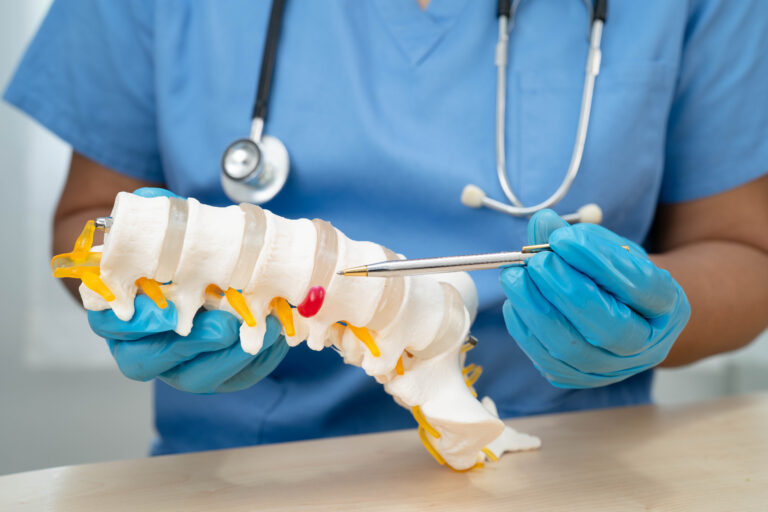
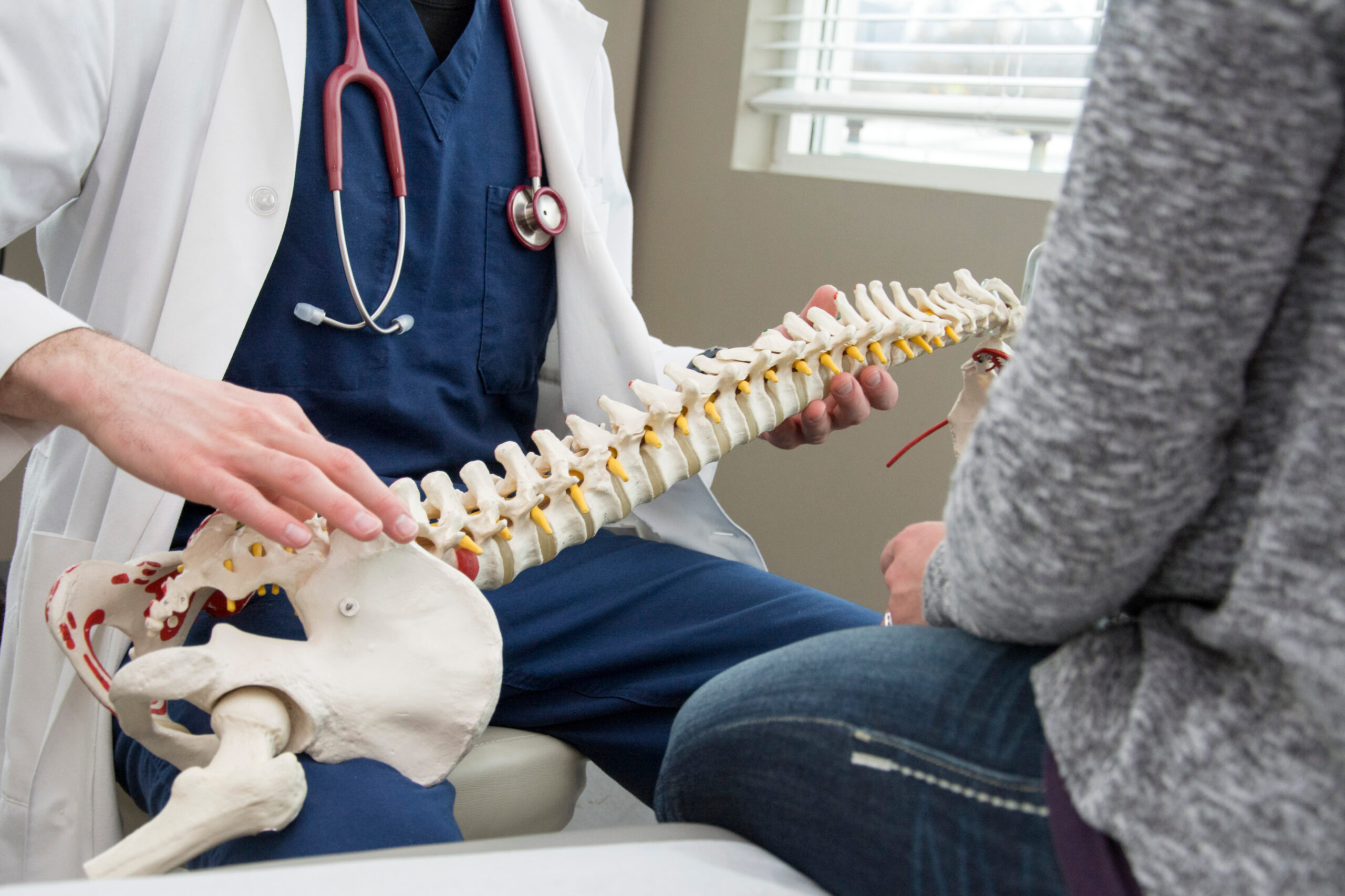
The influence of bodily alignment extends beyond the temporomandibular joint, with spinal alignment playing a significant role in dental occlusion and jaw function. Clinical studies have demonstrated that variations in spinal curvature can alter craniofacial posture, hence impacting bite mechanics. Abnormalities in the cervical spine, particularly kyphosis or lordosis, can disrupt the harmonious relationship between the maxilla and mandible. Such disruptions may lead to malocclusion, altered masticatory function, and increased temporomandibular joint stress. Evidence suggests that correcting spinal misalignments can improve bite stability and reduce orofacial pain. Consequently, interventions targeting spinal alignment, including physical therapy and chiropractic adjustments, may be beneficial in optimizing jaw function. Recognition of this interconnectedness underscores the necessity for a multidisciplinary approach in diagnosing and managing craniofacial dysfunctions.
Spinal Misalignment and Its Effects on the TMJ
Spinal misalignment can markedly influence temporomandibular joint (TMJ) function by altering the biomechanical relationship between the cervical spine and craniofacial structures. Clinical studies have documented a correlation between vertebral subluxations and increased incidence of TMJ pain and dysfunction, highlighting the importance of postural integrity. Chiropractic interventions, focusing on spinal realignment, have been proposed as effective therapeutic strategies to ameliorate TMJ symptoms and improve overall jaw function.
Misalignment’s Impact on Jaw
Why does spinal misalignment exert a profound influence on the temporomandibular joint (TMJ)? Misalignment in the cervical spine can disrupt normal occlusal balance, leading to compensatory mechanisms in the jaw. This imbalance forces the masticatory muscles into a state of hyperactivity, often resulting in jaw clenching. Such clenching exerts abnormal forces on the TMJ, which may precipitate or exacerbate dysfunction. Studies illustrate that cervical vertebral misalignments alter mandibular positioning, exacerbating occlusal discrepancies. These changes can initiate a cascade affecting neuromuscular coordination and joint stability. Clinically, patients with spinal misalignment frequently report TMJ symptoms, which are corroborated by imaging studies showing altered joint spacing and morphology. As a result, addressing spinal alignment is essential to restoring functional harmony in the craniofacial complex.
TMJ Pain and Posture
How does posture influence temporomandibular joint (TMJ) pain? Misalignment of the cervical spine can exacerbate TMJ dysfunction by altering mandibular positioning. This misalignment can lead to increased tension in the masticatory muscles, contributing to orofacial pain. Effective management strategies include:
- Occlusal splint therapy: This intervention helps distribute occlusal forces evenly and stabilizes the jaw position, potentially alleviating TMJ symptoms.
- Muscle relaxation techniques: These methods, such as biofeedback or physical therapy, aim to reduce muscle tension, thereby decreasing pain.
- Postural correction: Addressing postural imbalances can help realign the spine, thereby reducing stress on the TMJ.
Evidence suggests that integrating these approaches can enhance treatment outcomes for individuals suffering from TMJ-related discomfort.
Chiropractic Solutions for TMJ
Chiropractic interventions offer a promising avenue for addressing TMJ disorders, particularly through the correction of spinal misalignments that may affect jaw function. Evidence suggests that chiropractic adjustments can alleviate dysfunction by realigning the cervical and thoracic spine, thereby reducing stress on the temporomandibular joint (TMJ). The precise manipulation techniques employed in chiropractic care aim to restore ideal vertebral alignment, which can mitigate myofascial tension and improve neuromuscular coordination. Additionally, trigger point therapy, a technique often utilized in chiropractic practice, targets hyperirritable spots within the muscle tissue, further alleviating muscular tension associated with TMJ disorders. Clinical studies have shown that patients undergoing these interventions frequently report significant reductions in TMJ-related pain and improvements in mandibular mobility, underscoring the therapeutic potential of chiropractic care.
Biomechanics of Jaw-Spine Interaction
Although often overlooked, the biomechanics of jaw-spine interaction plays a critical role in maintaining craniofacial alignment and overall postural integrity. The interdependence of jaw and spine is evident through muscle imbalances and joint biomechanics, which can considerably influence mandibular function. Key factors involved include:
- Muscle imbalances: Discrepancies in muscle strength and activation patterns can lead to altered jaw movements, impacting occlusion and mandibular stability.
- Joint biomechanics: The temporomandibular joint (TMJ) relies on proper alignment with cervical spine structures to facilitate efficient movement and load distribution.
- Neuromuscular coordination: Proper interaction between neuromotor pathways guarantees synchronous function between the jaw and cervical spine, essential for activities such as mastication and speech.
These elements underscore the significance of understanding jaw-spine biomechanics in clinical diagnostics and treatment planning.
Common Postural Issues Affecting the Jaw
Postural deviations, particularly in the cervical and thoracic regions, can have significant implications for mandibular positioning and function. Forward head posture, characterized by an anterior positioning of the head relative to the thoracic spine, is frequently associated with increased tension in the masticatory muscles. This maladaptive posture often exacerbates jaw clenching, leading to temporomandibular joint (TMJ) dysfunction. Evidence suggests that altered head posture contributes to imbalanced muscle activity, placing undue stress on the TMJ and potentially altering occlusion. Additionally, the compensatory postural changes in the cervical spine can propagate downwards, further influencing craniofacial dynamics. Clinicians must recognize these postural issues as potential etiological factors in patients presenting with jaw pain and dysfunction, facilitating targeted interventions to restore functional alignment.
Recognizing Symptoms of Spinal-Induced Jaw Problems
How might clinicians identify signs of spinal-induced jaw problems in their patients? Recognition of these issues involves understanding the interrelationship between spinal alignment and jaw function. Clinicians should be vigilant for specific jaw discomfort indicators and spinal misalignment markers that may suggest a correlation.
- Pain Localization: Patients may report temporomandibular joint (TMJ) discomfort or facial pain that correlates with cervical or thoracic spinal discomfort.
- Functional Limitations: Difficulty opening or closing the mouth, or deviations in mandibular movement, can indicate underlying spinal influences.
- Postural Changes: Observations of head forward posture or asymmetric shoulder heights could suggest a spinal misalignment impacting mandibular alignment.
Clinical evaluation should integrate these indicators to form an extensive understanding of the potential spinal influence on jaw function.
Strategies for Improving Spinal Alignment
To optimize spinal alignment, clinicians should employ a range of evidence-based strategies that address both structural and functional aspects of the spine. An ergonomic desk setup is pivotal, as it promotes neutral spine positioning, minimizing undue stress on the vertebral column. Proper chair height and monitor alignment can prevent forward head posture, a common contributor to spinal misalignment. Additionally, seated posture awareness is indispensable; patients should be educated on maintaining a 90-degree angle at the hips, knees, and elbows. Regular posture assessments can facilitate early detection of maladaptive habits. These strategies are supported by clinical studies indicating that ergonomic interventions and posture training can markedly enhance spinal health, thereby positively influencing jaw function through improved craniofacial alignment.
Exercises and Therapies for Craniofacial Harmony
Achieving craniofacial harmony demands a multifaceted approach involving a combination of specific exercises and therapeutic interventions. Key elements include:
- Restorative breathing techniques: These exercises enhance diaphragmatic efficiency, contributing to improved craniofacial balance by alleviating muscular tension and optimizing oxygenation.
- Myofascial release therapy: This manual therapy targets fascial restrictions in the craniofacial region, promoting tissue elasticity and symmetry, thereby augmenting overall alignment.
- Neuromuscular re-education: Through targeted exercises, patients can enhance proprioceptive awareness, facilitating more coordinated mandibular movements and reducing misalignment stress.
These methods are supported by evidence indicating their efficacy in addressing underlying functional deficits. Collectively, they aim to restore equilibrium between the craniofacial structures and spinal alignment, ultimately improving jaw function and reducing associated discomfort.
The Importance of Regular Assessments for Spinal Health
Regular assessments for spinal health are crucial for maintaining overall physiological well-being and preventing potential musculoskeletal disorders. These evaluations, which include regular preventive screenings, facilitate the early detection of spinal misalignments and dysfunctions. Clinical evidence underscores the importance of early intervention in mitigating the progression of conditions such as scoliosis and herniated discs, which can adversely affect craniofacial alignment. Systematic screenings can identify deviations from normative spinal curvature, allowing for timely therapeutic measures. Additionally, integrating spinal assessments into routine healthcare enhances patient outcomes by addressing issues before they manifest as chronic pain or structural deformities. By prioritizing spinal health assessments, healthcare practitioners can greatly reduce the incidence of complex musculoskeletal disorders and support ideal jaw function through improved postural alignment.
Frequently Asked Questions
Can Dietary Habits Influence Craniofacial Alignment and Jaw Function?
Nutritional deficiencies can impact craniofacial alignment and jaw function by affecting bone density and muscular development. Inadequate nutrient intake may alter chewing mechanics, potentially disrupting mandibular growth and alignment, consequently influencing overall masticatory efficiency and occlusal stability.
How Does Stress Impact the Relationship Between the Spine and Jaw?
Stress can exacerbate muscle tension patterns and postural imbalances, negatively affecting the spine-jaw relationship. Chronic stress-induced tension may result in misalignment, contributing to temporomandibular joint disorders (TMD) and cervical spine dysfunction, as supported by clinical studies.
Are There Genetic Factors Affecting Spine-Jaw Alignment?
Heritable skeletal variations and developmental genetic disorders can influence spine-jaw alignment. Genetic predispositions may result in structural anomalies, impacting craniofacial morphology. Evidence suggests that these genetic factors contribute enormously to variations in skeletal alignment and functional relationships.
Do Sleeping Positions Affect Craniofacial Alignment?
Sleeping positions can influence craniofacial alignment by altering mouth breathing patterns and facial muscle tension. Evidence suggests that improper positioning may exacerbate orofacial muscle strain, potentially impacting dental occlusion and temporomandibular joint function over time.
Can Dental Appliances Help in Correcting Spine-Induced Jaw Issues?
Dental appliances, such as customized mouth guards, can assist in addressing spine-induced jaw issues. Combined with targeted physical therapy, these interventions may realign jaw function by mitigating stress and improving neuromuscular coordination, supported by clinical evidence and patient outcomes.