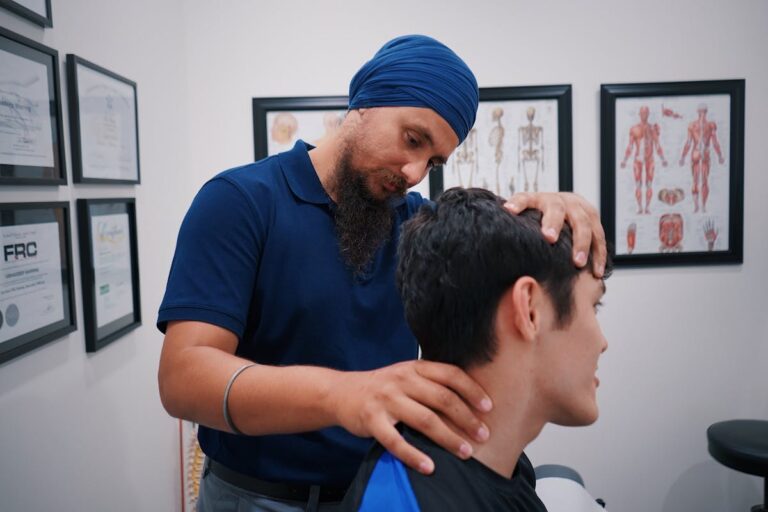

Why Dentists Refer Patients With TMJ to Chiropractors
Dentists frequently encounter restrictions when addressing temporomandibular joint (TMJ) disorders, prompting referrals to chiropractors. While dentists can identify TMJ symptoms, they may lack the expertise to manage musculoskeletal conditions outside the oral cavity. Chiropractors offer a complementary skill set, providing an extensive evaluation of postural imbalances and spinal misalignments that contribute to TMJ issues. This collaboration creates a holistic treatment approach, leaving one to examine the benefits of combining dental and chiropractic expertise.
Understanding TMJ Disorders
Temporomandibular joint (TMJ) disorders are a group of conditions affecting the jaw joint and the muscles controlling jaw movement. These disorders, often termed temporomandibular joint dysfunction, can lead to significant pain and discomfort. TMJ dysfunction is characterized by symptoms such as jaw pain, difficulty chewing, and a clicking or locking sensation in the jaw. The underlying physiological factors contributing to TMJ disorders are complex and multifactorial. They may include muscle tension, joint degeneration, and anatomical abnormalities of the jaw structure. Stress-related behaviors, such as teeth grinding and clenching, may exacerbate these conditions. Additionally, systemic conditions like arthritis can influence the severity and progression of TMJ dysfunction. Understanding these factors is essential for accurately diagnosing and managing TMJ disorders.
The Role of Dentists in TMJ Treatment
Dentists play a vital role in diagnosing temporomandibular joint (TMJ) disorders through clinical examination and imaging techniques. They often engage in a collaborative care approach by working alongside other healthcare professionals, such as chiropractors, to provide extensive treatment plans. Recognizing the limitations of dental interventions alone, dentists may refer patients to chiropractors to address musculoskeletal issues that contribute to TMJ dysfunction.
Diagnosing TMJ Disorders
While the complexities of temporomandibular joint (TMJ) disorders can be formidable, the role of dentists in diagnosing these conditions is both pivotal and extensive. Dentists employ a systematic approach to accurately identify and assess TMJ disorders. Key components include:
- Identifying Symptoms: Dentists meticulously evaluate patient-reported symptoms such as jaw pain, headaches, and restricted movement.
- Examining Joint Function: A thorough examination of jaw dynamics and joint sounds through palpation and auscultation helps determine dysfunction.
- Imaging Techniques: Utilization of panoramic X-rays, MRI, or CT scans provides detailed insights into the structural aspects of the TMJ.
- Occlusal Analysis: Dentists assess bite alignment and occlusion, which can be contributing factors to TMJ disorders.
This precise diagnostic process guarantees accurate identification of TMJ dysfunction.
Collaborative Care Approach
A collaborative care approach is integral in the effective management of TMJ disorders, especially given the multifaceted nature of these conditions. Dentists play a critical role in this multidisciplinary teamwork, as they are often the initial point of contact for TMJ-related symptoms. Their expertise in occlusion, jaw alignment, and dental health is pivotal in diagnosing and managing the condition. By engaging in coordinated treatment planning with other healthcare professionals, such as chiropractors, physical therapists, and maxillofacial specialists, dentists help provide holistic patient care. This approach allows for the integration of various therapeutic modalities, enhancing treatment efficacy. Through effective communication and shared goals, a collaborative care model addresses the complex etiology of TMJ disorders, optimizing patient outcomes and reducing symptomatology.
Understanding Treatment Limitations
Despite the benefits of a collaborative care approach, understanding the treatment limitations faced by dental professionals is critical in TMJ disorder management. Dentists possess expertise in dental occlusion and oral appliances but may encounter constraints concerning broader musculoskeletal issues impacting treatment efficacy. Key limitations include:
- Scope of Practice: Dental professionals primarily address dental and oral structures, limiting their ability to treat musculoskeletal conditions beyond the jaw.
- Diagnostic Constraints: Dentists may lack extensive training in diagnosing systemic musculoskeletal disorders, necessitating a referral process to specialists.
- Interdisciplinary Collaboration: Effective treatment often requires input from multiple disciplines, including chiropractic care, to optimize patient outcomes.
- Resource Limitations: Dental practices might not possess the necessary tools or equipment required for thorough TMJ management, prompting external referrals.
Chiropractic Care: An Overview
Chiropractic care is a healthcare discipline focused on diagnosing and treating neuromuscular disorders through manual adjustment and manipulation of the spine. It employs integrative techniques to address musculoskeletal issues, emphasizing the body’s inherent ability to heal itself. Chiropractors utilize holistic approaches, considering the interconnectedness of the body’s systems to promote overall well-being. This discipline involves detailed assessment and specific interventions aimed at alleviating pain, improving function, and enhancing quality of life. By addressing spinal alignment and joint function, chiropractic care aims to reduce nerve irritations that may contribute to dysfunctions throughout the body. This non-invasive modality is often sought for its patient-centered focus, offering alternative solutions in conjunction with traditional medical treatments. The practice stands as a complementary healthcare option.
How Chiropractors Assess TMJ Issues
Chiropractors assess TMJ issues using a range of evaluation techniques that focus on identifying structural misalignments and dysfunctions. They conduct a thorough examination of the patient’s jaw, neck, and spine to determine any deviations from normal positioning. By pinpointing the exact causes of misalignment, chiropractors can develop targeted treatment plans to alleviate TMJ-related discomfort.
Chiropractic Evaluation Techniques
The evaluation of temporomandibular joint (TMJ) issues by chiropractors involves a meticulous examination process aimed at identifying the underlying biomechanical dysfunctions. Chiropractors utilize a combination of postural assessment techniques and joint mobility evaluation to thoroughly analyze TMJ conditions. Key evaluation techniques include:
- Postural Assessment: Chiropractors examine the patient’s posture to identify any imbalances that may contribute to TMJ dysfunction.
- Joint Palpation: By palpating the TMJ and surrounding structures, chiropractors assess the joint’s condition and identify areas of tenderness or restriction.
- Range of Motion Testing: Evaluating the TMJ’s range of motion helps determine limitations and potential causes of dysfunction.
- Muscle Testing: Appraising the strength and function of the muscles associated with the jaw and neck provides insights into muscular imbalances affecting the TMJ.
Identifying Misalignment Causes
A vital component in evaluating TMJ issues involves determining the causes of misalignment, which often stems from biomechanical discrepancies within the musculoskeletal system. Chiropractors employ a systematic approach to identify these underlying factors. They begin by assessing spinal misalignment through palpation and diagnostic imaging, pinpointing vertebrae that may contribute to the dysfunction. Identifying postural imbalances is also pivotal, as poor posture can exacerbate stress on the temporomandibular joint. Detailed analysis of gait and stance reveals compensatory patterns that may influence jaw alignment. By examining the interconnectedness of the spine, pelvis, and jaw, chiropractors can deduce how these elements interact to produce TMJ symptoms. This extensive evaluation provides the foundation for a tailored, effective treatment strategy.
The Benefits of Chiropractic Adjustments for TMJ
Many patients experiencing temporomandibular joint (TMJ) disorders find relief through chiropractic adjustments. Chiropractors employ joint mobilization techniques and muscle release therapies to target TMJ dysfunctions effectively. These methods offer several benefits:
- Pain Reduction: Techniques such as joint mobilization can alleviate discomfort by restoring proper joint function.
- Improved Mobility: By enhancing the range of motion, these adjustments aid in reducing stiffness and increasing flexibility in the jaw area.
- Muscle Tension Relief: Muscle release therapies help in relaxing tense muscles around the TMJ, reducing associated symptoms like headaches and facial pain.
- Non-invasive Approach: Chiropractic care provides a conservative, drug-free treatment option, minimizing the need for surgical intervention.
These benefits underscore why many dentists refer patients with TMJ to chiropractors.
Improving Musculoskeletal Alignment
When addressing temporomandibular joint disorders, enhancing musculoskeletal alignment plays a pivotal role in treatment outcomes. A comprehensive postural evaluation is essential for identifying misalignments that may contribute to TMJ dysfunction. Chiropractors are adept at assessing spinal biomechanics, which can reveal compensatory patterns affecting the jaw and surrounding musculature. Proper alignment of the spine is vital, as it influences the entire musculoskeletal system’s function. Misalignments in the cervical spine, for instance, can exacerbate muscle tension and jaw misalignment. By employing specific manipulative techniques, chiropractors can correct these deviations, promoting ideal jaw function and reducing pain. This targeted approach not only addresses TMJ symptoms but also enhances overall alignment, leading to improved quality of life for patients suffering from TMJ disorders.
Enhancing Neuromuscular Function
Neuromuscular function plays a critical role in the management of temporomandibular joint disorders. Chiropractors enhance this function through various techniques that focus on neurotransmitter regulation and postural stabilization. This approach aims to improve the interaction between muscles and nerves, reducing TMJ symptoms. Key elements include:
- Neurotransmitter Regulation: Balancing neurotransmitters to optimize muscle response and reduce pain associated with TMJ disorders.
- Postural Stabilization: Correcting postural imbalances to alleviate stress on the temporomandibular joint, promoting better muscle alignment.
- Muscle Activation Techniques: Employing specific exercises to activate and strengthen underactive muscles, enhancing overall neuromuscular function.
- Manual Adjustments: Utilizing precise chiropractic adjustments to relieve tension and improve joint mechanics, supporting neuromuscular coordination.
These methods collectively address the neuromuscular components critical to TMJ management.
The Collaborative Approach in TMJ Management
How does a collaborative approach enhance the management of temporomandibular joint (TMJ) disorders? This approach integrates diverse healthcare disciplines, including dentistry and chiropractic care, to develop multifaceted treatment strategies. By combining expertise, practitioners can address both the dental and musculoskeletal aspects of TMJ disorders. This enhances diagnostic accuracy and treatment efficacy. Holistic patient-centered care is achieved by focusing on individual patient needs, ensuring that treatment plans are tailored to specific conditions. The collaborative approach facilitates communication among healthcare providers, resulting in coordinated care that optimizes patient outcomes. This method not only targets symptom relief but also addresses underlying causes, offering an all-encompassing solution. Consequently, patients benefit from a well-rounded management plan that improves overall quality of life.
Patient Experiences and Success Stories
Numerous patient experiences highlight the positive impact of integrating chiropractic care into the treatment of temporomandibular joint disorders. Patient testimonials frequently emphasize significant improvements in symptoms and overall treatment satisfaction. This integration is demonstrated through:
- Pain Reduction: Patients report decreased jaw pain, enhancing daily functional capabilities.
- Improved Jaw Mobility: Chiropractic interventions often result in increased range of motion, facilitating normal jaw function.
- Holistic Well-being: Many patients experience reduced neck and shoulder tension, contributing to overall health benefits.
- Enhanced Quality of Life: Testimonials frequently note improved sleep patterns and reduced stress levels.
These success stories underline the effectiveness of chiropractic care as an adjunctive treatment, leading to higher patient satisfaction. Such outcomes encourage continued collaboration between dentists and chiropractors in managing TMJ disorders.
Frequently Asked Questions
What Lifestyle Changes Can Support TMJ Treatment?
Lifestyle changes supporting TMJ treatment include stress management techniques like meditation and yoga, which can reduce muscle tension. Additionally, improving sleep quality through proper posture and using supportive pillows can alleviate symptoms by ensuring adequate rest and jaw relaxation.
Are There Specific Exercises to Alleviate TMJ Symptoms?
Specific exercises to alleviate TMJ symptoms include jaw mobilization techniques and muscle relaxation exercises. These methods aim to enhance joint mobility and reduce muscle tension, thereby providing relief from discomfort associated with temporomandibular joint disorders.
How Long Does TMJ Treatment With a Chiropractor Typically Take?
The treatment duration for TMJ with a chiropractor varies depending on patient response time. Typically, it can range from several weeks to months. Regular assessments are pivotal to adjust the treatment plan and monitor progress.
Can Diet Impact TMJ Disorder Symptoms?
Diet can profoundly impact TMJ disorder symptoms. Nutritional deficiencies may exacerbate pain and discomfort, while certain foods to avoid, such as those high in caffeine or sugar, can contribute to increased muscle tension and inflammation.
Are There Alternative Therapies for TMJ Besides Chiropractic Care?
Alternative therapies for TMJ include acupuncture therapy, which involves inserting fine needles to alleviate pain, and massage therapy, targeting muscle tension relief. Both methods aim to reduce TMJ symptoms by improving blood flow and muscular relaxation.