
The Link Between Bite Alignment and Spinal Posture
The intricate relationship between bite alignment and spinal posture is a subject of growing interest among health professionals. Misaligned teeth can cascade into widespread musculoskeletal issues, as the jaw’s positioning plays a pivotal role in spinal alignment. This biomechanical connection suggests that addressing dental discrepancies may hold the key to improved postural health. The implications of such findings are profound, prompting further exploration into how dental interventions could potentially enhance overall physical well-being.
Understanding Bite Alignment
Bite alignment, also known as occlusion, refers to the precise arrangement and contact relationship between the upper and lower teeth when the jaws are closed. This intricate interaction is critical for effective mastication and speech. Bite analysis is employed to evaluate occlusal harmony, appraising parameters such as contact points, force distribution, and temporomandibular joint function. Functional occlusion guarantees that forces are evenly distributed across the dental arches, preventing undue stress on individual teeth, which could lead to dental wear or temporomandibular disorders. Deviations in bite alignment can disrupt this equilibrium, contributing to dental pathologies. Accurate bite analysis consequently provides a foundation for diagnosing and remedying occlusal discrepancies, preserving both dental health and overall functional integrity.
The Anatomy of the Mouth and Spine
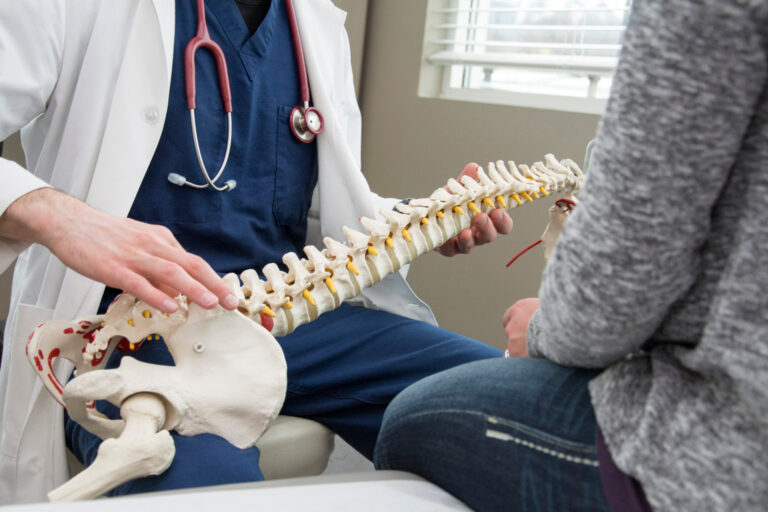
The anatomical interplay between the mouth and spine plays a pivotal role in maintaining physiological balance and functional harmony. At the core of this relationship lies the bone structure of the craniofacial region and vertebral column. The maxilla and mandible form the foundation of the oral cavity, while the cervical vertebrae support the head. Muscular functions are equally critical; the masticatory muscles, including the masseter and temporalis, influence mandibular dynamics. Simultaneously, cervical muscles such as the sternocleidomastoid and trapezius contribute to spinal alignment. This intricate coordination guarantees optimal force distribution and load-bearing capacity. Evidence suggests that even subtle alterations in these elements can disrupt neuromuscular equilibrium, impacting postural integrity. As a result, the mouth and spine are functionally interconnected via structural and muscular pathways.
How Misaligned Teeth Affect the Jaw
Understanding the relationship between craniofacial structures and spinal alignment illuminates the impact of dental malocclusions on mandibular function. Bite misalignment can lead to significant jaw discomfort, affecting overall oral and musculoskeletal health. Clinical evidence indicates that improper occlusion disrupts normal mandibular movements, increasing strain on temporomandibular joints. This strain can manifest in various symptoms:
- Increased muscle tension: Misalignment can cause hyperactivity in masticatory muscles.
- Joint inflammation: Continuous stress may lead to temporomandibular joint disorders (TMD).
- Headaches: Neuromuscular imbalances often result in tension or migraine headaches.
- Altered chewing patterns: Inefficient mastication due to occlusal discrepancies.
- Facial asymmetry: Prolonged misalignment may contribute to uneven facial development.
These findings underscore the necessity for timely orthodontic interventions to prevent further complications associated with jaw discomfort and bite misalignment.
The Connection Between Jaw Position and Spinal Alignment
Research indicates that mandibular positioning substantially influences spinal alignment, suggesting a biomechanical interdependence between the craniofacial and musculoskeletal systems. Malocclusion or jaw misalignment can disrupt the natural curvature of the spine, leading to postural imbalances and potentially contributing to musculoskeletal disorders. The alignment of the jaw, consequently, plays a critical role in overall health, with implications for both structural integrity and functional capacity within the human body.
Jaw Impact on Posture
While often overlooked, the position of the jaw plays a critical role in spinal alignment, highlighting a complex interplay between dental occlusion and postural stability. Anomalies in jaw position can alter joint mobility and contribute to muscular imbalance, which may cascade throughout the musculoskeletal system. This relationship underscores the importance of addressing jaw alignment in extensive posture assessments.
Key points include:
- Jaw misalignment may disrupt neck and back muscle activity.
- Altered temporomandibular joint (TMJ) function can affect cervical spine posture.
- Corrective dental interventions can aid in restoring postural equilibrium.
- Poor bite alignment may contribute to asymmetrical spinal load distribution.
- Muscular compensations due to jaw position can exacerbate postural deviations.
These factors emphasize the need for an interdisciplinary approach in diagnosing and treating postural issues linked to jaw alignment.
Alignment’s Role in Health
The intricate relationship between jaw position and spinal alignment is a critical component of overall health, influencing both structural integrity and functional efficacy. Misalignment of the jaw can lead to compensatory shifts in spinal posture, disrupting proper body mechanics. This can place undue stress on the musculoskeletal system, potentially leading to chronic pain and decreased mobility. Evidence suggests that ideal jaw alignment facilitates balanced muscle tension throughout the neck and back, promoting muscle flexibility and reducing strain on the spine. Studies indicate that correcting malocclusions can have cascading benefits for spinal health, as it enhances postural stability and reduces the risk of musculoskeletal disorders. Understanding this connection underscores the importance of interdisciplinary approaches in managing conditions related to both dental and spinal health.
Common Dental Issues Impacting Posture
Misaligned teeth and other dental issues, though often overlooked, can enormously contribute to postural imbalances. Various dental conditions have been identified as underlying factors in postural distortions. These issues include:
- Crowns and fillings: Poorly fitted restorations can alter occlusal balance, affecting jaw alignment.
- Teeth grinding and clenching: Habitual bruxism leads to muscular fatigue in the jaw, influencing head posture.
- Malocclusion: Incorrect alignment of the teeth can cause compensatory shifts in spinal posture.
- Missing teeth: Gaps disrupt the distribution of masticatory forces, resulting in asymmetrical muscle tension.
- Temporomandibular joint dysfunction (TMD): TMD affects mandibular movement, impacting cervical spine alignment.
Research indicates that these dental issues can propagate mechanical stress throughout the musculoskeletal system, necessitating an integrated approach to oral health and posture management.
Symptoms of Poor Bite Alignment on Spinal Health
Poor bite alignment, or malocclusion, has been implicated in the manifestation of musculoskeletal symptoms such as chronic neck and back pain. Studies indicate that improper occlusion can lead to abnormal muscle tension and misalignment in the cervical spine, contributing to persistent headaches and a sense of fatigue. This correlation suggests a significant impact on spinal health, necessitating a multidisciplinary approach to diagnosis and treatment.
Neck and Back Pain
How does bite alignment affect spinal health, particularly manifesting as neck and back pain? Evidence suggests that malocclusion can lead to muscle tension and joint stiffness, exerting undue stress on cervical and thoracic spine regions. The intricate interrelationship between dental occlusion and postural equilibrium is governed by neuromuscular pathways, where misalignment generates compensatory mechanisms. Such maladaptive responses may culminate in:
- Ideal bite alignment: Leading to hyperactivity in cervical muscles.
- Joint stiffness: Resulting from altered biomechanics in spinal joints.
- Spinal misalignment: Causing compensatory postural adaptations.
- Disc compression: Aggravating vertebral disc health.
- Chronic pain syndromes: Developing from prolonged neuromuscular strain.
This cascade of biomechanical disruptions underscores the critical role of perfect bite alignment in maintaining spinal health and preventing musculoskeletal disorders.
Headaches and Fatigue
Although often overlooked, the ramifications of bite misalignment extend beyond the oral cavity, manifesting as systemic symptoms such as headaches and fatigue. Bite misalignment can contribute to temporomandibular joint (TMJ) disorders, leading to chronic muscle tension in the jaw, neck, and shoulders. This persistent muscle tension is a known precursor to tension-type headaches. Additionally, the discomfort associated with TMJ disorders often results in sleep disruption, exacerbating fatigue. Research indicates that inadequate restorative sleep due to sleep disruption can further compound muscle tension, creating a cyclical pattern of discomfort and fatigue. Clinical assessments demonstrate a correlation between occlusal instability and increased prevalence of these symptoms, underscoring the importance of addressing bite alignment in the context of extensive spinal and systemic health management.
The Role of Dentists and Orthodontists in Correcting Alignment
In the intricate relationship between bite alignment and spinal posture, dentists and orthodontists play a pivotal role in diagnosing and correcting misalignments that may contribute to postural discrepancies. Through restorative dental treatments and multidisciplinary treatment approaches, these professionals address the root causes of malocclusion and its impact on posture. By employing advanced diagnostic tools and techniques, they secure personalized treatment plans that align dental structures with spinal health. Key interventions include:
- Restorative dental treatments to correct occlusal discrepancies.
- Orthodontic appliances for realignment of teeth and jaw.
- Collaborative efforts with physical therapists for thorough care.
- Advanced imaging techniques for precise diagnosis.
- Custom-fitted oral devices to maintain alignment during sleep.
These strategies underscore the critical role of dental professionals in preserving overall musculoskeletal health.
Benefits of Correcting Bite Alignment for Spinal Health
Correcting bite alignment offers significant benefits for spinal health by addressing the interconnectedness between dental occlusion and posture. Empirical studies have demonstrated that malocclusion can exacerbate muscle tension, particularly in the cervical and thoracic regions, leading to compromised spinal alignment. By realigning the bite, there is a notable reduction in muscle tension, which alleviates undue stress on the spine and enhances postural stability. Additionally, orthodontic interventions targeting bite correction contribute to improved facial aesthetics, which indirectly influences self-perception and psychological well-being, factors known to affect posture. The reduction in muscle tension and the enhancement of facial symmetry work in tandem to promote a more balanced spinal posture, offering a holistic approach to improving musculoskeletal health through dental corrections.
Lifestyle Changes to Support Dental and Spinal Health
The interplay between dental corrections and spinal posture underscores the importance of considering lifestyle modifications to optimize both dental and spinal health. Evidence suggests that targeted lifestyle changes can dramatically enhance outcomes in both areas. A nutritious diet rich in calcium and vitamin D supports bone health, vital for maintaining proper alignment. Regular exercise, particularly activities that strengthen core muscles, contributes to spinal stability and improves postural alignment. Stress management techniques, such as mindfulness, help reduce habits like teeth grinding, impacting bite alignment. Sleep posture also plays a role in maintaining spinal health, necessitating ergonomic bedding. Finally, routine dental check-ups certify early detection and correction of bite issues.
- Nutritious diet for bone health
- Regular exercise for core strengthening
- Stress management techniques
- Ergonomic sleep posture
- Routine dental check-ups
Frequently Asked Questions
Can Yoga Help Improve Both Bite Alignment and Spinal Posture?
Yoga may enhance bite alignment and spinal posture through proper breathing techniques and muscle strengthening exercises. Evidence suggests these practices support core stability and alignment, potentially influencing jaw positioning and postural improvements, though more research is necessary.
Are There Specific Exercises for Maintaining Proper Bite and Spinal Health?
Specific exercises include proper jaw muscle exercises like isometric holds and targeted spine stretches such as cat-cow. Evidence-based studies suggest that these practices can maintain bite alignment and spinal posture, promoting overall musculoskeletal health.
How Does Technology Use Affect Bite and Spinal Alignment?
Prolonged screen time and improper device ergonomics contribute to forward head posture, increasing cervical spine strain and jaw tension. Evidence indicates these factors greatly affect bite and spinal alignment, potentially leading to musculoskeletal imbalances and discomfort.
Can Stress Influence Both Dental and Spinal Alignment Issues?
Stress can lead to stress-induced muscle tension, impacting dental alignment by altering occlusal forces. Additionally, stress-related postural changes may contribute to spinal misalignment, as prolonged muscle tension affects vertebral positioning and overall musculoskeletal balance.
Is There a Connection Between Sleep Quality and Bite or Spinal Alignment?
Research indicates that sleep disturbances can exacerbate postural imbalances, potentially affecting both bite and spinal alignment. Poor sleep quality may lead to increased muscle tension, influencing the alignment through compensatory mechanisms to maintain bodily equilibrium.