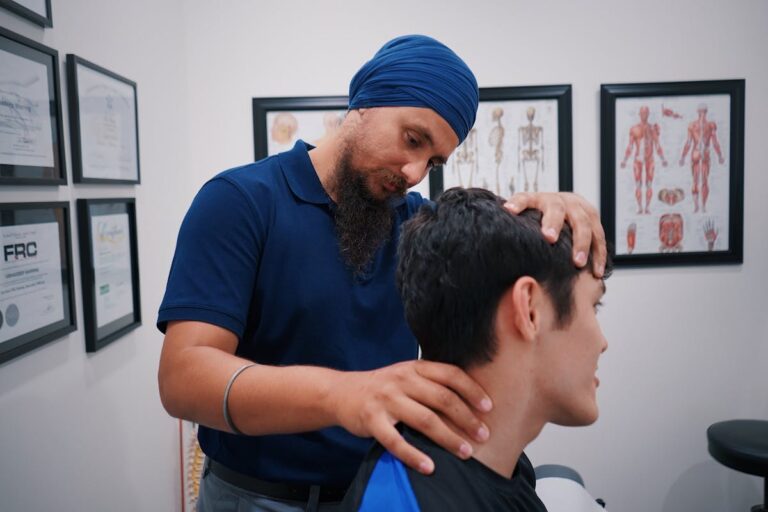
Chiropractic Management of Post-Surgical Inflammation After Injury
Chiropractic management of post-surgical inflammation presents an intriguing intersection of holistic care and evidence-based practice. Through targeted interventions like spinal adjustments and soft tissue therapies, chiropractors can address inflammation at its root, promoting natural healing. This approach not only aids in pain reduction but also enhances mobility, setting the stage for an exhaustive recovery. Exploring the synergy between chiropractic methods and conventional medicine could revolutionize post-operative rehabilitation, offering patients a balanced path to recovery.
Understanding Post-Surgical Inflammation
Post-surgical inflammation is a complex physiological response that occurs as the body initiates the healing process following surgical intervention. This process is primarily driven by the release of inflammatory mediators, such as cytokines and prostaglandins, which orchestrate the inflammatory response. These mediators increase vascular permeability, facilitating the influx of immune cells to the surgical site. Neutrophils, a type of white blood cell, are among the first to arrive, playing a vital role in clearing debris and preventing infection. This acute phase of inflammation is essential for tissue repair but must be carefully regulated to avoid excessive swelling and pain. Evidence suggests that understanding and managing the inflammatory response can greatly influence recovery outcomes and improve patient comfort post-surgery.
The Role of Chiropractic Care in Recovery
Chiropractic care plays a significant role in recovery by facilitating the body’s natural healing processes, thereby potentially accelerating the recovery timeline. Through techniques such as spinal adjustments and soft tissue therapies, chiropractic interventions aim to reduce pain naturally and non-invasively. Evidence suggests these practices may also enhance post-surgical mobility, contributing to improved overall functional outcomes.
Speeding Recovery Process
Holistic recovery from surgery often involves multiple modalities, with chiropractic care playing a pivotal role in expediting the healing process. Chiropractic interventions focus on restoring spinal alignment and enhancing nervous system function, leading to expedited rehabilitation and improved patient outcomes. Research suggests that chiropractic care can accelerate recovery through:
- Enhanced Mobility: Chiropractic adjustments can improve range of motion, aiding in faster rehabilitation.
- Decreased Swelling: Techniques such as soft tissue manipulation may reduce post-surgical inflammation.
- Improved Circulation: By optimizing spinal health, chiropractic care enhances blood flow, facilitating nutrient delivery to healing tissues.
- Nervous System Support: Proper spinal alignment can positively affect nerve communication, promoting efficient recovery.
These elements underscore chiropractic care’s significance in an extensive post-surgical rehabilitation plan.
Reducing Pain Naturally
While the path to recovery can be fraught with discomfort, chiropractic care offers a natural approach to pain reduction that aligns with thorough rehabilitation strategies. This modality integrates natural pain remedies to address post-surgical inflammation through spinal adjustments and soft tissue manipulation. Evidence suggests that these techniques contribute to the release of endorphins, which are the body’s natural painkillers. By focusing on holistic wellness approaches, chiropractic care not only alleviates pain but also promotes overall well-being. Techniques such as myofascial release and manual therapy have been shown to reduce reliance on pharmacological interventions, presenting a sustainable solution for pain management. This evidence-based practice underscores the importance of an extensive, drug-free recovery, enhancing the body’s inherent ability to heal naturally.
Enhancing Mobility Post-Surgery
In addition to mitigating pain, a focus on post-surgical mobility is integral to a successful recovery process. Chiropractic care plays a pivotal role in enhancing range of motion and joint flexibility post-surgery. Evidence-based techniques such as spinal adjustments and soft tissue therapies are utilized to improve mobility outcomes. The following key aspects highlight the importance of chiropractic interventions:
- Restoration of Joint Function: Techniques target the affected areas to restore ideal joint function and reduce stiffness.
- Enhancing Range of Motion: Regular chiropractic sessions promote increased movement capacity, fundamental for daily activities.
- Improving Joint Flexibility: Interventions focus on increasing ligament and tendon flexibility to support structural alignment.
- Facilitating Healing: Chiropractic care aids in the healing process by reducing inflammation and promoting circulation, accelerating recovery.
These strategies collectively support holistic rehabilitation.
Techniques for Reducing Inflammation
Effective management of post-surgical inflammation is essential to facilitate ideal recovery and improve patient outcomes. Massage techniques play a pivotal role in this therapeutic process by enhancing lymphatic drainage and reducing swelling. Studies have shown that gentle, targeted massage can alleviate tissue tension, promoting relaxation and improving circulation. This, in turn, accelerates the healing process. Another effective method is cold compression therapy, which combines the analgesic effects of cold temperatures with pressure to decrease inflammation. Research indicates that cold compression therapy can dramatically reduce pain and swelling, enhancing joint mobility and function. Integrating these techniques into a post-operative care plan provides a holistic approach to inflammation management, underpinned by evidence-based practices that optimize recovery trajectories for patients.
Spinal Alignment and Its Impact on Healing
Spinal alignment plays a pivotal role in optimizing the body’s natural healing processes, especially after surgical interventions. Proper alignment can alleviate nerve compression, enhance blood flow, and reduce inflammatory responses, thereby promoting more efficient recovery. Evidence suggests that maintaining spinal integrity is essential not only for reducing post-surgical discomfort but also for facilitating overall rehabilitation and functional restoration.
Importance of Spinal Alignment
Although often overlooked, proper spinal alignment plays a critical role in the healing process, especially after surgical interventions. Maintaining appropriate alignment is essential for preserving joint biomechanics, which can enhance recovery efficiency. Chiropractors frequently employ postural assessments to evaluate alignment deviations and address these through targeted interventions. The importance of spinal alignment in post-surgical healing is underscored by several factors:
- Biomechanical Efficiency: Proper alignment guarantees even distribution of mechanical loads across the spine, reducing stress on specific joints and tissues.
- Nerve Function: Correct alignment supports the nervous system, facilitating effective communication between the brain and body.
- Inflammation Reduction: Aligning the spine may help minimize inflammation by promoting efficient circulation and lymphatic drainage.
- Pain Mitigation: Addressing misalignments can alleviate pain, supporting a more comfortable recovery process.
Alignment’s Role in Recovery
The significance of spinal alignment extends beyond biomechanical efficiency, playing a pivotal role in the overall recovery process after surgery. Proper alignment is indispensable for maximizing joint function, as it guarantees that the load is evenly distributed across the spine and adjacent structures, reducing undue stress on healing tissues. Misalignment can impede recovery by disrupting neuromuscular coordination, which is essential for maintaining balance and stability. Studies indicate that spinal adjustments facilitate improved neural pathways, enhancing the body’s ability to respond to post-surgical rehabilitation. This alignment fosters efficient communication between the nervous system and musculoskeletal components, promoting faster tissue repair and reducing inflammation. By securing ideal alignment, chiropractic interventions support a holistic healing process, integrating structural integrity with functional recovery.
Soft Tissue Manipulation for Inflammation Control
Soft tissue manipulation emerges as a pivotal approach for controlling inflammation, particularly after surgical interventions. These manual therapy techniques target the affected areas to promote healing and reduce swelling. Soft tissue mobilization plays an essential role in enhancing circulation, thereby accelerating the removal of inflammatory mediators. Research underscores the efficacy of these methods in managing post-surgical inflammation.
Key benefits include:
- Increased Blood Flow: Enhances nutrient delivery and waste removal, aiding recovery.
- Reduced Pain: Alleviates pressure on nerves and reduces discomfort.
- Improved Range of Motion: Relieves tension in muscles and connective tissues.
- Accelerated Healing: Facilitates tissue repair by minimizing adhesions.
These interventions are designed to optimize the body’s natural healing processes, providing a non-invasive pathway to recovery.
Tailored Rehabilitation Exercises
Rehabilitation exercises, when tailored specifically to individual needs, are integral to the effective management of post-surgical inflammation. A personalized approach guarantees that rehabilitative stretches and customized movements address the unique challenges faced by each patient. Such exercises focus on enhancing joint mobility, reducing stiffness, and promoting circulation, which are vital for mitigating inflammation. Evidence-based practice highlights the importance of evaluating the patient’s surgical history, current physical status, and specific inflammation markers. By doing so, practitioners can design a program that optimizes healing and functional recovery. Studies suggest that individualized exercise regimens can accelerate the rehabilitation process by targeting affected areas more precisely. This meticulous approach ultimately fosters a holistic recovery, ensuring that patients regain strength and mobility efficiently.
Integrating Chiropractic Care With Traditional Treatments
How can chiropractic care complement traditional medical treatments in managing post-surgical inflammation? Integrating chiropractic care offers a holistic approach by focusing on nutritional support and personalized treatment plans. Chiropractic interventions, when combined with conventional methods, can enhance the overall recovery experience.
- Nutritional Support: Chiropractors may advise on anti-inflammatory diets that support healing, aligning with medical recommendations for ideal recovery.
- Customized Treatment Plans: Tailored chiropractic adjustments complement traditional therapies and address specific patient needs, promoting a faster healing process.
- Collaborative Care: Communication between chiropractors and medical professionals ascertains cohesive care, reducing post-surgical complications.
- Non-Invasive Techniques: Chiropractic care offers less invasive alternatives, reducing dependency on medications, and fostering natural recovery pathways.
Holistically, this integration can provide a more extensive strategy for managing inflammation.
Enhancing Mobility and Pain Reduction
In the pursuit of enhancing mobility and reducing pain post-surgery, chiropractic care offers a valuable adjunct to traditional rehabilitation methods. By focusing on range of motion improvements, chiropractors employ specific adjustments and mobilization techniques to restore joint function and alleviate discomfort. Evidence suggests that these interventions can lead to significant pain reduction, allowing patients to engage more effectively in physical therapy. Additionally, chiropractic strategies such as targeted exercises and soft tissue manipulation contribute to strengthening weakened areas, which is indispensable for preventing future injuries and enhancing overall functionality. Holistic approaches emphasize patient-centered care, addressing both physical and biomechanical factors. The integration of chiropractic methods into post-surgical recovery plans has been associated with accelerated healing, improved patient outcomes, and long-term mobility benefits.
Considerations for Choosing Chiropractic Care
While the benefits of chiropractic interventions in post-surgical rehabilitation are evident, selecting the right chiropractic care requires careful contemplation of several factors. Chiropractors play a pivotal role in managing inflammation and improving patient outcomes, yet optimal results depend on the alignment of patient needs with chiropractic expertise. Critical aspects to ponder include:
- Qualifications and Experience: Ascertain the chiropractor possesses relevant credentials and experience in post-surgical care.
- Patient Education: The practitioner should prioritize educating patients about their condition and the rationale behind treatment protocols.
- Treatment Planning: A thorough, individualized treatment plan tailored to the patient’s unique recovery trajectory is essential.
- Interdisciplinary Collaboration: Effective communication and collaboration with other healthcare providers enhance overall patient care.
These factors collectively contribute to a successful chiropractic intervention strategy.
Frequently Asked Questions
What Dietary Changes Can Support Post-Surgical Inflammation Reduction?
The Current Question explores how dietary changes can aid in reducing post-surgical inflammation. Incorporating anti-inflammatory foods like turmeric and omega-3 rich fish, alongside probiotics for gut health support, may provide holistic, evidence-based benefits.
Are There Any Alternative Therapies for Managing Post-Surgical Inflammation?
Alternative therapies for managing post-surgical inflammation include the use of herbal supplements like turmeric and ginger, which possess anti-inflammatory properties, alongside physical therapy techniques, both of which are supported by evidence to promote healing and reduce swelling.
How Long Does Post-Surgical Inflammation Typically Last?
Post-surgical inflammation typically lasts several weeks, with the recovery timeframe influenced by factors such as patient health, surgical procedure complexity, and adherence to post-operative care. Evidence suggests inflammation peaks within the first week, gradually decreasing thereafter.
Can Stress Affect Post-Surgical Inflammation Levels?
Stress levels can markedly impact the inflammatory response post-surgery. Elevated stress may enhance cytokine production, amplifying inflammation. Evidence suggests stress management techniques could potentially modulate immune function, thereby influencing recovery and reducing prolonged inflammation in post-operative patients.
What Are the Signs of Complications From Post-Surgical Inflammation?
Signs of complications from post-surgical inflammation include excessive swelling and prolonged pain. These indicators suggest potential underlying issues, such as infection or improper healing, necessitating further clinical evaluation and possibly altering postoperative management strategies to safeguard ideal recovery.