
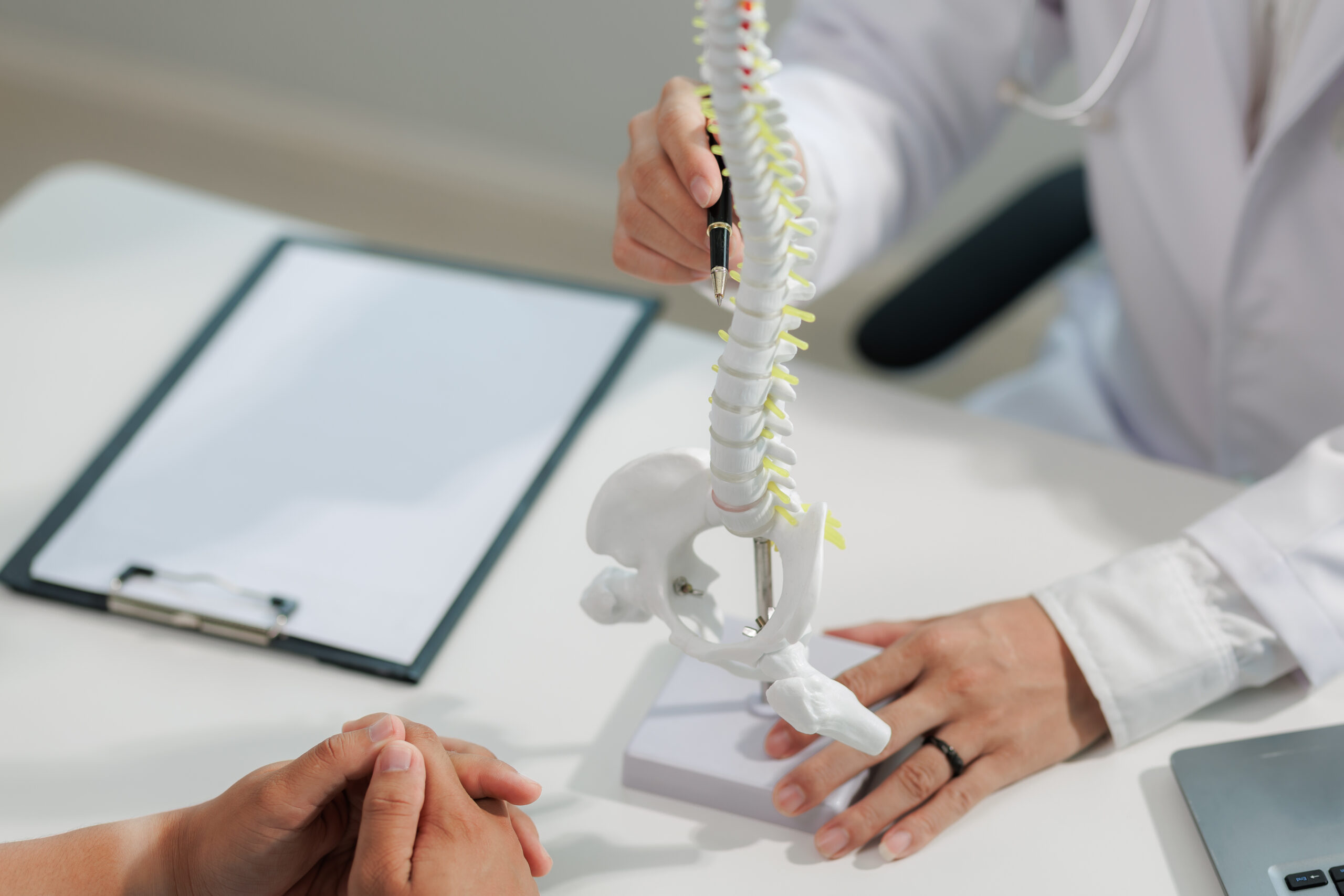
Chiropractic Adjustments for Clicking or Popping Jaws
Temporomandibular joint disorders (TMD) often manifest as clicking or popping sounds in the jaw, causing discomfort. These symptoms may stem from misalignment, arthritis, or muscle tension. Chiropractic adjustments offer a targeted, evidence-based approach to address these underlying issues. Through precise techniques, chiropractors aim to enhance joint alignment and reduce inflammation, improving overall jaw function and patient quality of life. Discover how this extensive care can effectively manage jaw-related concerns.
Understanding Temporomandibular Joint Disorders
Temporomandibular Joint Disorders (TMD) encompass a range of conditions affecting the temporomandibular joint (TMJ), which is the hinge connecting the jawbone to the skull. These disorders arise due to multiple etiological factors, including joint inflammation and muscle imbalances. Joint inflammation may result from arthritis or trauma, leading to pain and restricted movement. Muscle imbalances, often due to bruxism or malocclusion, contribute to improper jaw alignment and function. Evidence-based studies indicate that addressing these underlying causes is indispensable for effective management of TMD. Treatment regimens focus on relieving pressure on the TMJ, restoring muscular symmetry, and reducing inflammation. Understanding these mechanisms enables healthcare providers to tailor patient-centered interventions, thereby improving outcomes for those experiencing jaw dysfunction.
Common Symptoms of Jaw Issues
Patients experiencing jaw issues often report symptoms such as audible clicking sounds, which can indicate joint dysfunction. Painful jaw movements are another common symptom, potentially interfering with daily activities like chewing or speaking. Additionally, limited mouth opening can occur, restricting functional jaw use and impacting quality of life, warranting clinical evaluation and management.
Jaw Clicking Sounds
A common symptom of temporomandibular joint (TMJ) disorders is the clicking or popping sound that occurs when the jaw is in motion, often during activities such as chewing or speaking. These auditory phenomena, referred to as clicking sensations, may indicate underlying issues with joint function. The temporomandibular joint, which connects the jawbone to the skull, plays a critical role in facilitating jaw movements. Dysfunction in this joint, due to misalignment or other structural anomalies, can lead to the production of these sounds. Clinically, such symptoms may not always manifest with accompanying pain or discomfort, yet they warrant evaluation. Identifying the cause of these clicking sounds is essential in tailoring appropriate interventions aimed at restoring ideal joint function and minimizing potential long-term complications.
Painful Jaw Movements
Experiencing painful jaw movements is a prevalent indicator of temporomandibular joint (TMJ) disorders, impacting activities such as chewing, speaking, and even yawning. This discomfort is often attributed to muscle tension and joint inflammation, both of which are essential components in the pathophysiology of TMJ disorders. Muscle tension may result from bruxism or stress-related clenching, exacerbating discomfort and impeding normal jaw function. Concurrently, inflammation within the joint capsule can lead to synovial fluid imbalance, further compromising joint mobility and increasing pain perception. Evidence suggests that managing these factors is necessary for alleviating symptoms. Accurate diagnosis and tailored interventions are crucial for patients experiencing such symptoms, aiming to mitigate muscle tension and reduce joint inflammation, thereby restoring ideal jaw mechanics and improving quality of life.
Limited Mouth Opening
Limited mouth opening, often quantified in millimeters, is a common symptom associated with temporomandibular joint (TMJ) disorders. This condition, also known as trismus, can considerably restrict the range of motion in the jaw, impacting daily activities such as eating and speaking. Muscle tension plays a critical role in limiting jaw mobility, as hyperactivity in the masticatory muscles can exacerbate the restriction. Patients experiencing limited mouth opening may report discomfort, clicking sounds, or a feeling of jaw stiffness. Evidence-based approaches to address this issue often involve therapies aimed at reducing muscle tension and enhancing joint flexibility. Therapeutic interventions, including chiropractic adjustments, seek to restore normal range of motion and alleviate the contributing muscular imbalances, offering a patient-centered solution to this debilitating condition.
Causes of Clicking or Popping Jaws
Why do some individuals experience clicking or popping sounds in their jaws? This condition, often linked to temporomandibular joint (TMJ) disorders, arises from various underlying factors. Understanding these causes is essential for effective patient management. Key contributors include:
- Muscle imbalances: Disparities in muscle function can lead to misalignment and strain on the TMJ.
- Joint instability: Laxity or hypermobility within the joint capsule might result in improper tracking of the jaw.
- Arthritis: Degenerative changes within the joint can cause mechanical dysfunction and auditory symptoms.
- Trauma: Previous injuries to the jaw or face can alter joint mechanics, leading to persistent sounds.
Identifying these etiological factors enables healthcare providers to tailor interventions, focusing on restoring ideal joint function and alleviating discomfort.
How Chiropractic Care Can Help
Chiropractic care can address clicking or popping jaws through specific jaw alignment techniques that aim to restore ideal joint function. Evidence suggests that these adjustments not only improve mechanical alignment but also contribute to significant pain relief for patients. By reducing joint stress and muscle tension, chiropractic interventions enhance overall jaw mobility and comfort.
Jaw Alignment Techniques
When addressing issues of jaw alignment, especially those involving clicking or popping sounds, chiropractic care offers targeted techniques that can substantially aid in alleviating discomfort. These methods are underpinned by evidence-based practices focusing on enhancing the structural integrity and functionality of the temporomandibular joint (TMJ). Chiropractors often employ a combination of:
- Jaw positioning exercises: Tailored to improve the alignment and biomechanics of the jaw.
- Manual adjustments: Precise movements to correct misalignments and restore joint functionality.
- Soft tissue manipulation: Techniques to reduce muscle tension and improve flexibility around the TMJ.
- Self care techniques: Guidance on posture and ergonomics to prevent exacerbation of symptoms.
These strategies collectively aim to optimize jaw alignment, thereby mitigating the manifestations of misalignment such as clicking sounds.
Pain Relief Benefits
In addition to improving jaw alignment, addressing the discomfort associated with temporomandibular joint issues is a significant aspect of chiropractic care. Techniques employed by chiropractors focus on reducing muscle tension around the jaw, which can alleviate pain and pressure. This approach not only targets muscular imbalances but also enhances joint function. By facilitating improved blood circulation to affected areas, chiropractic adjustments can promote healing and reduce inflammation. Evidence suggests that these interventions minimize the frequency and severity of jaw pain episodes. Patients often report increased comfort following treatment, attributing relief to the precise manipulations performed by trained professionals. Overall, chiropractic care offers a non-invasive, patient-centered method to manage pain effectively, contributing to enhanced quality of life for individuals experiencing jaw dysfunction.
Techniques Used in Chiropractic Adjustments
Various techniques are employed in chiropractic adjustments to address clicking or popping jaws. Chiropractors utilize evidence-based methods tailored to individual patient needs. These techniques are designed to enhance joint function and alleviate discomfort.
- Joint manipulation techniques: This involves precise movements to restore normal joint mechanics, often focusing on the temporomandibular joint (TMJ) and cervical spine.
- Spinal mobilization exercises: These exercises aim to improve spinal alignment and flexibility, indirectly benefiting jaw function by promoting overall musculoskeletal health.
- Soft tissue therapy: Targeted massage and stretching of muscles surrounding the jaw can relieve tension and improve range of motion.
- Postural correction advice: Educating patients on maintaining proper posture can reduce undue stress on the jaw, supporting long-term joint health.
These approaches are integral to exhaustive jaw care.
What to Expect During Your Chiropractic Visit
Patients seeking relief from clicking or popping jaws through chiropractic care can anticipate a structured and systematic approach during their visits. Initially, a thorough assessment is conducted, focusing on medical history and specific symptoms. This evaluation informs patient expectations and guides treatment planning. The appointment duration typically ranges from 30 to 60 minutes, allowing ample time for precise adjustments and patient education. Chiropractors employ evidence-based techniques to target temporomandibular joint dysfunction, ensuring that interventions are both safe and effective. Throughout the session, patients are encouraged to communicate any discomfort or changes experienced. Follow-up visits are scheduled based on individual progress, ensuring ongoing assessment and modification of the treatment plan as necessary. This patient-centered approach aims to optimize outcomes and improve jaw function.
Benefits of Chiropractic Treatment for Jaw Problems
Chiropractic treatment for jaw problems offers several evidence-based benefits that are particularly advantageous for individuals with temporomandibular joint (TMJ) disorders. Through targeted adjustments, chiropractors can facilitate muscle tension relief and promote joint stability improvement, contributing to reduced pain and enhanced functional capacity. Clinical studies have demonstrated that chiropractic interventions can:
- Alleviate muscular tightness: Reducing stress on the jaw muscles through precise manual techniques.
- Enhance joint alignment: Ensuring proper temporomandibular joint positioning to minimize clicking or popping sounds.
- Increase mobility: Improving the range of motion for the jaw, thereby supporting normal chewing and speaking functions.
- Decrease inflammation: Employing non-invasive methods that lower inflammation in the jaw area, aiding in overall pain reduction.
These therapeutic benefits underscore the value of chiropractic care in managing TMJ disorders effectively.
Precautions and Considerations
While the benefits of chiropractic treatment for jaw problems are well-documented, it is important to approach these therapies with careful consideration of individual circumstances. Patient safety must remain a primary focus when considering chiropractic adjustments for temporomandibular joint dysfunction (TMJD). Prior to treatment, a thorough evaluation should be conducted to assess the patient’s medical history, current health status, and specific jaw condition. Treatment precautions include verifying the practitioner’s credentials and guaranteeing that the chiropractor is experienced in TMJD management. Additionally, patients with pre-existing conditions, such as osteoporosis or recent jaw surgery, may require modified techniques to avoid complications. Regular monitoring throughout the treatment course is essential to confirm the therapy’s efficacy and to promptly address any adverse effects.
Success Stories and Testimonials
Many individuals have reported significant improvements in their quality of life following chiropractic adjustments for temporomandibular joint dysfunction (TMJD). Patient testimonials often highlight the positive outcomes of such interventions, emphasizing reduced pain and enhanced jaw function. Notable cases include:
- Alleviation of chronic jaw pain: Patients frequently experience a substantial decrease in discomfort, leading to improved daily function.
- Enhanced mandibular mobility: Improved range of motion in the jaw is commonly cited, facilitating easier speaking and eating.
- Reduced occurrence of headaches: Individuals report a notable decline in TMJD-related headaches post-treatment.
- Overall quality of life improvements: Enhanced sleep quality and reduced stress are frequently observed among patients.
These testimonials underscore the efficacy of chiropractic care in managing TMJD symptoms, offering an evidence-based alternative to conventional treatments.
Frequently Asked Questions
Can Stress Contribute to Jaw Clicking or Popping?
Stress can contribute to jaw clicking or popping by leading to excessive muscle tension and poor posture. Evidence-based studies suggest that these factors may exacerbate temporomandibular joint dysfunction, causing discomfort and audible sounds during jaw movement.
Are There Any Risks Associated With Jaw Chiropractic Adjustments?
The current question addresses risks associated with jaw adjustments, highlighting potential for joint instability and risk of nerve damage. Evidence-based studies suggest that while generally safe, patient-specific factors may influence outcomes, necessitating thorough assessment by healthcare professionals.
How Long Does It Take to See Improvement in Jaw Issues?
The noticeable relief duration for jaw issues may vary, often requiring several weeks for initial changes. A gradual improvements timeline is expected, typically influenced by individual physiological responses and adherence to prescribed therapeutic protocols.
Can Diet Impact the Severity of Jaw Problems?
Nutritional deficiencies and inadequate hydration levels can exacerbate jaw problems by affecting muscle and joint health. Ensuring balanced nutrition and ideal hydration may mitigate symptoms, as supported by evidence highlighting the role of dietary factors in musculoskeletal conditions.
Is Jaw Clicking or Popping More Common in Certain Age Groups?
Jaw clicking or popping is prevalent among younger individuals due to increased joint flexibility. Conversely, it may affect older adults due to early onset osteoarthritis, leading to joint degeneration. Evidence suggests age-related factors influence temporomandibular joint symptoms.