
Chiropractic Approaches to Stress-Related Jaw Pain
Stress-related jaw pain, often linked to temporomandibular joint (TMJ) disorders, can greatly influence daily life. Chiropractic care offers a holistic, non-invasive approach to managing these symptoms. By focusing on spinal and jaw alignment, chiropractors aim to reduce muscle tension and improve neuromuscular function. This approach can potentially alleviate mechanical stress on the TMJ. Understanding how these adjustments contribute to jaw health may reveal new avenues for symptom relief.
Understanding the Temporomandibular Joint (TMJ)
How does the temporomandibular joint (TMJ) function within the intricate system of the human body? The TMJ is a pivotal synovial articulation connecting the mandible to the temporal bone of the skull, facilitating a range of complex movements necessary for mastication, speech, and other oral activities. Joint function is orchestrated through a combination of hinge and sliding motions, enabled by the articular disc, ligaments, and surrounding musculature. Joint biomechanics play a critical role in ensuring smooth movement and force distribution across the joint surfaces. Coordinated interaction of these components is essential for maintaining joint integrity and preventing pathological conditions. An evidence-based, holistic approach to understanding TMJ function incorporates anatomical, physiological, and biomechanical perspectives, offering insights into its dynamic role within the craniofacial system.
Common Causes of Stress-Related Jaw Pain
Stress-related jaw pain, frequently associated with the temporomandibular joint (TMJ), is a multifactorial condition resulting from a complex interplay of psychological, physiological, and biomechanical factors. An evidence-based examination reveals that occlusion issues are a significant contributor, disrupting the harmonious alignment of the dental arches and imposing undue stress on the TMJ. Additionally, parafunctional habits such as clenching and grinding, often exacerbated by stress, lead to muscular overactivity and microtrauma. These behaviors manifest as bruxism, which can further compromise joint integrity and exacerbate pain. Psychological stressors activate the autonomic nervous system, leading to increased muscle tension and heightened pain perception. Understanding these intricate connections underscores the need for a holistic approach in addressing stress-related jaw pain, considering both mental and physical health components.
Traditional Treatments vs. Chiropractic Care
While traditional treatments for stress-related jaw pain often prioritize pharmacological interventions and surgical options, chiropractic care offers an alternative that aligns with a more holistic approach. This method emphasizes the body’s intrinsic capacity for self-regulation and healing. Evidence suggests that therapeutic modalities such as massage therapy and acupuncture techniques can effectively alleviate muscular tension and improve neuromuscular function. Chiropractic care aims to restore structural balance and functional integrity through non-invasive techniques. By addressing underlying musculoskeletal imbalances, this approach may reduce pain and enhance overall well-being. Clinical studies indicate that integrating chiropractic care with complementary therapies can provide significant symptom relief for patients with temporomandibular disorders (TMD). Consequently, this multidisciplinary approach offers a viable option for individuals seeking non-pharmacological and non-surgical solutions.
The Role of Chiropractic Adjustments in Jaw Pain Relief
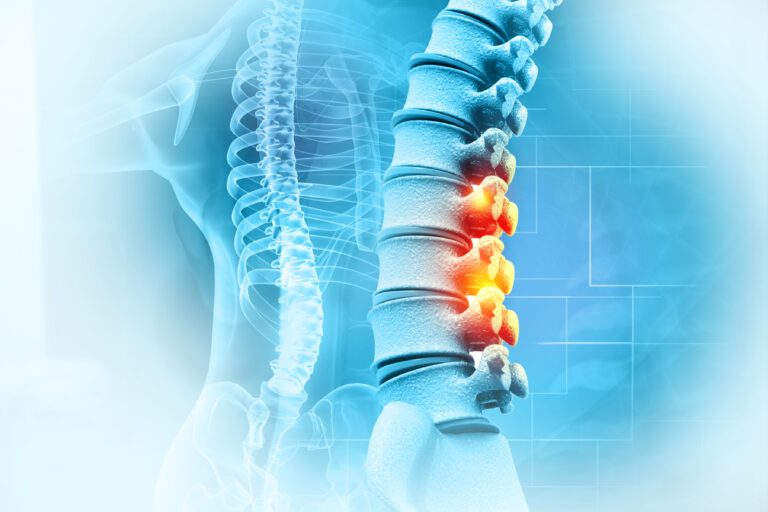
Chiropractic adjustments play a critical role in alleviating jaw pain by facilitating the alignment of the temporomandibular joint (TMJ) and the cervical spine. This alignment is essential for reducing muscle tension and improving neuromuscular function, which are often compromised in stress-related jaw disorders. Evidence suggests that a holistic chiropractic approach addressing both the jaw and spine can markedly enhance pain relief and functional outcomes in affected individuals.
Aligning Jaw and Spine
Although often overlooked, the intricate connection between the jaw and spine plays a crucial role in alleviating stress-related jaw pain. Chiropractic care emphasizes the importance of proper jaw alignment alongside correcting spinal misalignment to achieve holistic relief. Evidence suggests that misaligned cervical vertebrae can contribute to temporomandibular disorders (TMD), highlighting the necessity of addressing these issues concurrently. A misaligned spine can exert undue tension on the temporomandibular joint (TMJ), exacerbating pain and dysfunction. Chiropractic adjustments aim to restore spinal alignment, which subsequently encourages natural jaw alignment. By targeting both the cervical spine and jaw, chiropractors can effectively reduce the mechanical stress experienced by the TMJ. This integrated approach facilitates the body’s innate healing processes, promoting ideal function and reducing pain.
Reducing Muscle Tension
Muscle tension in the jaw, often exacerbated by stress, serves as a significant contributor to jaw pain and discomfort. Chiropractic care employs a holistic approach to mitigate this tension through targeted interventions. Evidence-based strategies, including massage techniques, are utilized to enhance muscle relaxation and improve circulation. These methods facilitate the reduction of lactic acid buildup, which is a common cause of muscular discomfort. Trigger point therapy is another critical component, focusing on specific areas within the muscles that harbor tension. By applying sustained pressure on these trigger points, practitioners effectively alleviate pain and restore functional mobility. Chiropractic adjustments, combined with these therapeutic modalities, offer an ideal solution to reducing muscle tension, thereby promoting excellent jaw function and pain relief.
Muscle Relaxation Techniques for TMJ Tension
Numerous individuals suffering from temporomandibular joint (TMJ) tension can benefit from targeted muscle relaxation techniques. Evidence-based interventions such as massage therapy and acupuncture techniques have shown efficacy in alleviating TMJ discomfort. Massage therapy, by applying specific pressure to the masticatory muscles, can reduce muscular tension and improve circulation, thereby facilitating the release of built-up stress. Concurrently, acupuncture techniques target specific meridian points to modulate the body’s energy flow, promoting overall muscle relaxation and reducing inflammation. A holistic approach to TMJ tension considers both physical and energetic aspects, providing an extensive method to address underlying causes of stress-related jaw pain. These interventions, grounded in clinical practice, offer patients a non-invasive pathway to mitigate symptoms and improve quality of life.
The Importance of Posture in Jaw Health
Proper posture plays a critical role in maintaining ideal jaw health, particularly in individuals experiencing stress-related jaw pain. Evidence suggests that body alignment greatly impacts the temporomandibular joint (TMJ), a pivotal structure in jaw function. Misalignment, often resulting from poor head posture, may exacerbate TMJ disorders by placing undue stress on the associated musculature and ligaments. Clinically, head posture is integral to jaw mechanics; anterior head positioning can lead to compensatory changes in cervical spine alignment, affecting mandibular positioning. This interconnectedness underscores the necessity of a holistic approach in therapeutic interventions. Chiropractic care emphasizes correcting postural deviations, promoting excellent body alignment, thereby potentially alleviating jaw discomfort. Ensuring proper head posture may serve as a non-invasive strategy to mitigate stress-related jaw pain.
Lifestyle Changes to Reduce Jaw Pain and Stress
Integrating mindfulness and relaxation techniques has been demonstrated to effectively mitigate stress-related jaw pain by promoting neuromuscular relaxation and reducing sympathetic nervous system activity. Concurrently, a balanced diet and adequate hydration play a vital role in maintaining ideal muscle function and reducing inflammation, thereby supporting jaw health. Together, these lifestyle modifications form an extensive strategy to alleviate discomfort and enhance overall well-being.
Mindfulness and Relaxation Techniques
Although often overlooked, the integration of mindfulness and relaxation techniques is pivotal in managing stress-related jaw pain. Evidence supports the efficacy of these holistic approaches in mitigating physiological responses to stress, thereby alleviating jaw discomfort. Incorporating structured breathing exercises, individuals can achieve autonomic nervous system regulation, promoting muscular relaxation. Meditation practices further enhance self-awareness and stress reduction, fostering a tranquil state conducive to pain relief.
- Breathing Exercises: Implementing diaphragmatic breathing can lower cortisol levels, modulating stress and reducing muscle tension in the jaw area.
- Meditation Practices: Regular meditation cultivates a calm state, diminishing anxiety and indirectly decreasing jaw clenching tendencies.
- Progressive Muscle Relaxation: This technique systematically relaxes muscle groups, facilitating a reduction in temporomandibular joint stress and associated pain.
Incorporating these strategies can greatly contribute to the holistic management of jaw pain.
Balanced Nutrition and Hydration
How does nutritional balance intersect with stress-related jaw pain management? Evidence suggests that a holistic approach incorporating balanced nutrition can greatly mitigate jaw pain associated with stress. Dietary modifications, such as reducing intake of inflammatory foods like processed sugars and caffeine, may decrease muscle tension in the jaw area. Additionally, increasing consumption of anti-inflammatory foods, such as omega-3 fatty acids and leafy greens, can support muscle relaxation and stress reduction.
Furthermore, adequate hydration is crucial for maintaining muscle function and preventing tension. Nutritional supplements, including magnesium and B-complex vitamins, have shown efficacy in reducing muscle tension and enhancing stress resilience. This integrative strategy, emphasizing both dietary changes and supplementation, provides an extensive pathway to alleviate jaw pain within a chiropractic care framework.
Benefits of Combining Chiropractic Care With Other Therapies
When patients experience stress-related jaw pain, why might a multidisciplinary approach bolster treatment outcomes? Integrative therapies, such as chiropractic care combined with other modalities, can provide a more thorough management strategy. The holistic approach addresses not only the physical manifestations of jaw pain but also underlying stressors contributing to the condition.
- Complementary Modalities: Combining chiropractic care with physical therapy or acupuncture can improve joint function and reduce muscle tension more effectively than a single treatment method.
- Psychological Interventions: Incorporating cognitive-behavioral therapy (CBT) alongside chiropractic care may help mitigate stress, thereby reducing jaw tension and pain.
- Nutritional Support: Collaborating with nutritionists can guarantee that patients’ diets support tissue repair and reduce inflammation, enhancing the overall efficacy of chiropractic interventions.
This integrative approach promises enhanced outcomes for those suffering from stress-related jaw discomfort.
Finding the Right Chiropractor for Jaw Pain Management
Selecting the appropriate chiropractor is pivotal in optimizing the management of stress-related jaw pain. The process of finding qualified chiropractors necessitates evaluating their credentials, experience, and specialization in temporomandibular joint disorders. An evidence-based approach involves assessing clinical outcomes and patient testimonials to confirm efficacy in pain alleviation. Choosing a jaw pain specialist entails verifying their proficiency in advanced techniques such as myofascial release and cranial adjustments, which are integral to holistic care. Furthermore, interdisciplinary collaboration with dental professionals and physiotherapists enhances comprehensive treatment strategies. A practitioner’s commitment to continuous education and adherence to the latest research guarantees updated methodologies. Consequently, a meticulous vetting process enables the selection of a chiropractor who can adeptly address stress-induced jaw dysfunction.
Frequently Asked Questions
Can Jaw Pain Be a Sign of Another Underlying Health Condition?
Jaw pain could indicate TMJ disorders or sinus inflammation. An evidence-based, holistic approach considers these conditions, emphasizing thorough evaluation to identify underlying health issues contributing to symptoms, ensuring appropriate intervention and management for effective treatment outcomes.
How Long Does It Typically Take to See Improvement With Chiropractic Care for Jaw Pain?
Patient response time varies for jaw pain improvement, typically ranging from several weeks to months. Treatment duration depends on individual factors, including severity and holistic approach adherence, based on evidence-based chiropractic techniques and extensive lifestyle modifications.
Are There Specific Exercises to Prevent Jaw Pain From Reoccurring?
Specific jaw mobilization exercises and muscle strengthening techniques can be effective in preventing jaw pain recurrence. Clinically, these exercises enhance joint flexibility and muscular resilience, forming part of a holistic approach to managing and mitigating stress-induced jaw discomfort.
Is Chiropractic Care Safe for Children Experiencing Jaw Pain?
Chiropractic care, when utilizing age-appropriate adjustments and practiced under parental supervision, is generally considered safe for children with jaw pain. This holistic approach guarantees treatment aligns with developmental needs, supported by evidence-based guidelines for pediatric musculoskeletal health.
What Dietary Changes Can Help Alleviate Stress-Related Jaw Pain?
In addressing stress-related jaw pain, a whole food diet emphasizing anti-inflammatory nutrients may prove beneficial. Nutritional supplements such as magnesium and calcium are recommended for jaw relaxation, contributing to a holistic approach in pain management.