Spinal Decompression Therapy vs. Surgical Decompression: Pros and Cons
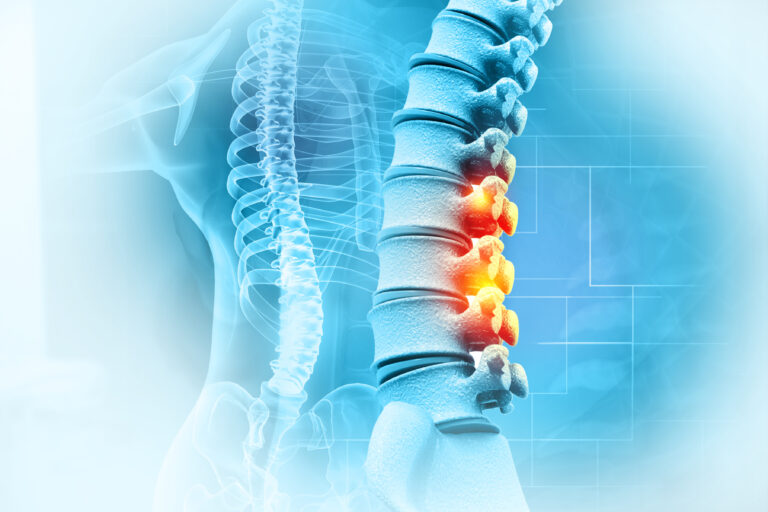
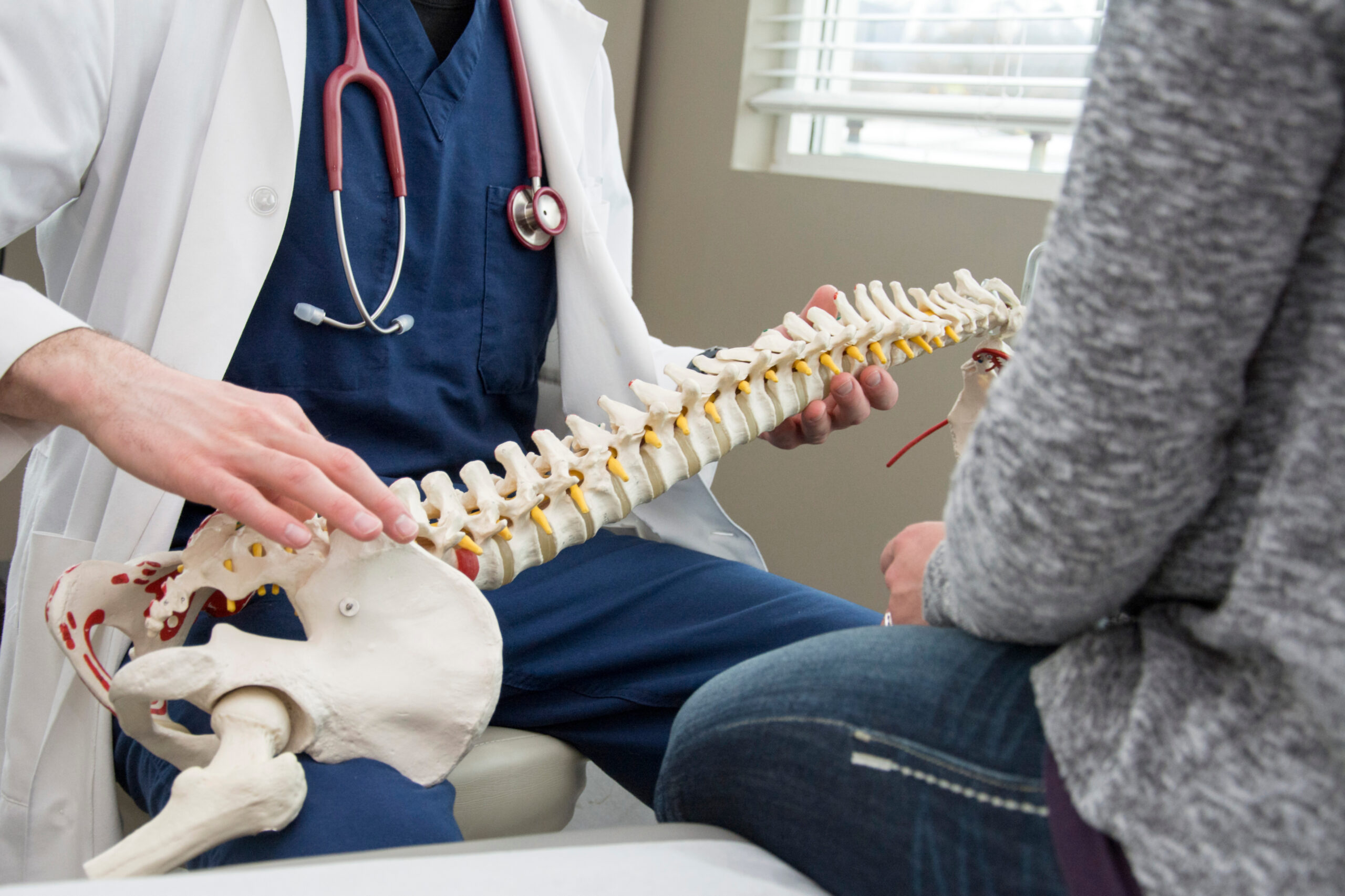
Spinal decompression therapy and surgical decompression represent two distinct modalities for addressing back pain, each with unique advantages and limitations. Spinal decompression therapy offers a non-invasive approach with minimal risks, yet may not suffice for severe conditions. Conversely, surgical decompression provides targeted relief by directly addressing nerve impingement, albeit with increased costs and recovery demands. Determining the ideal treatment necessitates an exhaustive evaluation of the patient’s condition, balancing efficacy with potential risks.
Understanding Spinal Decompression Therapy
How does spinal decompression therapy provide relief for individuals suffering from chronic back pain? This non-surgical intervention specifically targets the underlying causes of discomfort by gently stretching the spine, altering its position and force. This process reduces pressure on spinal discs, facilitating retraction of bulging or herniated discs. By enhancing nutrient-rich fluid exchange, it promotes the healing environment for damaged areas. Spinal decompression therapy is extensively employed within conservative management strategies for conditions such as sciatica, degenerative disc disease, and facet syndrome. Evidence suggests its efficacy in diminishing pain and improving functional outcomes, offering a non-invasive alternative to surgical interventions. Clinical studies have demonstrated significant patient-reported improvements, indicating its viability as a first-line treatment in thorough back pain management protocols.
Exploring Surgical Decompression Techniques
What distinguishes surgical decompression techniques in the management of chronic back pain? Surgical decompression is characterized by its ability to directly alleviate neural compression, offering definitive relief for conditions such as herniated discs and spinal stenosis. The techniques can be broadly categorized into open surgical techniques and minimally invasive options. Open surgical techniques, such as laminectomy, involve direct visualization and removal of bone or tissue. These interventions have a long-standing track record of efficacy but entail longer recovery periods. Conversely, minimally invasive options, like microdiscectomy, utilize smaller incisions and specialized equipment, resulting in reduced tissue disruption, shorter hospital stays, and quicker rehabilitation. Clinical outcomes are generally positive, with both approaches showing significant improvements in pain and functionality, although patient-specific factors may influence the choice of technique.
Comparing Procedure Details
In the context of managing chronic back pain, surgical decompression techniques and spinal decompression therapy present distinct procedural characteristics that warrant detailed comparison. Surgical decompression involves invasive methods such as laminectomy or discectomy, focused on direct relief of nerve root impingement. Preoperative imaging techniques, like MRI, assist in nerve root impingement evaluation. These procedures often include intraoperative disc height measurement to guarantee ideal outcomes. Conversely, spinal decompression therapy is non-invasive, utilizing mechanical traction to alleviate pressure on spinal discs. This technique aims to promote natural healing and restore disc height, assessed periodically through imaging. The choice between these methods depends on clinical evaluation, with emphasis on the extent of disc degeneration and the severity of nerve root impingement.
Recovery Time Considerations
Recovery time for spinal decompression therapy largely depends on the non-surgical nature of the intervention, typically allowing patients to resume normal activities within weeks. In contrast, surgical decompression involves a more extended post-operative healing timeline, often necessitating several months for full recovery. Additionally, there are distinct differences in the rehabilitation process, with surgical patients requiring structured physical therapy to restore function and strength.
Non-Surgical Recovery Duration
The duration of recovery following spinal decompression therapy is a critical consideration for patients opting for non-surgical interventions. Typically, the non-surgical recovery timeline is markedly shorter compared to surgical alternatives. Patients undergoing spinal decompression therapy often experience post treatment recuperation within a few weeks. This therapy is designed to alleviate pressure on spinal discs without invasive procedures, thereby reducing the overall recovery time. Clinical evidence suggests that patients may resume normal activities sooner, as there is no need for surgical wound healing. The non-invasive nature of spinal decompression therapy minimizes risks of complications traditionally associated with surgery, such as infection or extended rehabilitation. Consequently, patients often appreciate the expedited recovery process, facilitating a quicker return to daily functions.
Post-Surgical Healing Timeline
Surgical decompression, a common intervention for alleviating severe spinal conditions, entails a considerably longer healing timeline compared to non-surgical methods. The post-surgical recovery period is characterized by several critical phases, each demanding specific clinical attention.
- Initial post-operative phase: This involves acute pain management, often requiring pharmacological interventions to guarantee patient comfort.
- Intermediate phase: Focus shifts to restoring post-surgical mobility, which may include carefully monitored physical activities.
- Long-term recovery: Full functional recovery, often taking several months, emphasizes the gradual reintegration into daily activities.
Evidence indicates that individualized pain management plans are crucial for optimizing outcomes during the recovery period. Patients often experience varying degrees of mobility limitations, necessitating a tailored approach to rehabilitation. Clear communication between healthcare providers and patients is important to manage expectations and facilitate effective healing.
Rehabilitation Process Differences
How do non-surgical and surgical decompression therapies differ in their rehabilitation processes and recovery timelines? Non-surgical spinal decompression typically involves fewer physical therapy requirements and allows for quicker resumption of daily activities. Patients may experience minimal activity level modifications, with gradual increments based on tolerance and symptomatic relief. In contrast, surgical decompression necessitates extensive rehabilitation. Post-operative protocols dictate specific physical therapy regimens, emphasizing mobility restoration and strength building. Consequently, surgical patients face significant activity level modifications and extended recovery periods, often spanning several weeks to months. Evidence suggests that while surgical interventions may provide definitive anatomical relief, they impose longer recovery timelines. In comparison, non-surgical options offer expedited, albeit potentially less broad, rehabilitation processes, prioritizing patient comfort and reduced convalescence.
Evaluating Cost Differences
When comparing spinal decompression therapy and surgical decompression, the initial treatment expenses and long-term financial impact are critical factors for consideration. Spinal decompression therapy generally involves lower upfront costs due to its non-invasive nature, whereas surgical decompression often incurs higher initial expenses related to hospital fees, anesthesia, and post-operative care. However, the long-term costs must account for potential ongoing therapy sessions or complications associated with either treatment modality, necessitating a thorough cost-benefit analysis.
Initial Treatment Expenses
Although initial treatment expenses play a significant role in decision-making for spinal issues, understanding the cost differences between spinal decompression therapy and surgical decompression is crucial for healthcare providers and patients alike. Initial cost estimates for spinal decompression therapy generally indicate lower upfront financial obligations compared to surgical decompression. This distinction arises due to:
- Non-invasive nature: Spinal decompression therapy typically involves fewer medical resources, reducing the initial financial burden.
- Outpatient setting: Procedures often occur in non-hospital environments, circumventing high hospital facility fees.
- Minimal pre-operative assessments: Reduced need for extensive diagnostic tests or consultations prior to treatment.
Conversely, surgical decompression encompasses significant upfront expenses due to hospital stay requirements, surgical team fees, and thorough pre-operative evaluations, thereby influencing patient treatment decisions based on budgetary constraints.
Long-term Financial Impact
While initial treatment expenses present a notable contrast between spinal decompression therapy and surgical decompression, the long-term financial impact warrants careful evaluation. Spinal decompression therapy generally incurs lower future financial obligations due to its non-invasive nature, which minimizes recovery time and the need for costly post-operative care. Conversely, surgical decompression, although potentially more effective in severe cases, could lead to higher ongoing costs related to rehabilitation and possible complications. Evidence suggests that spinal decompression therapy offers potential cost savings over time, particularly when factoring in the reduced likelihood of additional interventions. However, thorough cost-benefit analyses must consider individual patient outcomes, as surgical decompression may offer superior long-term relief, potentially justifying its higher initial and subsequent financial commitments.
Assessing Potential Risks and Complications
How do spinal decompression therapy and surgical decompression compare with regards to risks and complications? Spinal decompression therapy, a non-invasive procedure, generally presents fewer potential complication risks compared to surgical decompression. However, both methods necessitate specific safety precautions.
- Non-surgical risks: Includes mild discomfort, muscle spasms, or transient nerve pain, often manageable with conservative measures.
- Surgical risks: Encompasses infection, excessive bleeding, or adverse reactions to anesthesia, necessitating stringent perioperative monitoring.
- Neurological complications: Both approaches carry the risk of nerve damage, though it is significantly higher in surgical interventions.
Evidence underscores that while surgical decompression offers definitive anatomical correction, it is accompanied by a broader spectrum of complications. Conversely, spinal decompression therapy is considered safer but may require multiple sessions for maximum efficacy.
Long-Term Outcome Expectations
In evaluating long-term outcome expectations, it is crucial to ponder the distinct objectives and efficacy of spinal decompression therapy versus surgical decompression. Spinal decompression therapy aims to alleviate symptoms through non-invasive means, with a variable likelihood of recurrence due to its conservative approach. Clinical studies indicate that while some patients achieve sustained relief, others may experience symptom reemergence, necessitating ongoing management. Conversely, surgical decompression often provides more definitive symptom resolution, with lower recurrence rates, yet poses a potential for reinjury due to the invasive nature of the procedure. This intervention may offer a more enduring outcome, albeit with inherent surgical risks. Consequently, the choice between these modalities should be informed by exhaustive clinical evaluation and patient-specific factors.
Patient Suitability and Selection Criteria
Determining patient suitability for spinal decompression therapy versus surgical decompression involves a nuanced evaluation of various clinical factors. A comprehensive assessment of the patient’s medical history and symptom severity is paramount. Clinical criteria for selecting appropriate treatment include:
- Patient’s medical history: Chronicity of symptoms, previous interventions, and comorbid conditions can influence treatment outcomes.
- Symptom severity: Objective measures of pain intensity, neurological deficits, and functional impairment guide therapeutic choices.
- Imaging findings: MRI or CT scans revealing disc herniation, spinal stenosis, or other structural anomalies are essential in evaluating the potential benefit from surgical intervention.
Clinicians must integrate these factors to tailor a personalized treatment plan, optimizing therapeutic efficacy while minimizing risks. Evidence-based guidelines are indispensable for guiding these clinical decisions.
Making an Informed Treatment Decision
Indeed, selecting the most appropriate course of action between spinal decompression therapy and surgical decompression requires a meticulous synthesis of clinical evidence and patient-specific factors. This decision-making process necessitates robust patient education to guarantee understanding of the risks, benefits, and potential outcomes associated with each treatment modality. Shared decision making, a collaborative approach between clinician and patient, is paramount in aligning treatment choices with patient preferences and values. It involves a thorough assessment of diagnostic findings, symptom severity, and individual health goals. Clinicians should present evidence-based data, including success rates and complication risks, to facilitate informed consent. Ultimately, the integration of clinical expertise and patient autonomy safeguards the selection of a tailored therapeutic strategy, optimizing both clinical efficacy and patient satisfaction.
Frequently Asked Questions
Can Lifestyle Changes Impact the Effectiveness of Spinal Decompression Therapy?
Lifestyle changes, particularly improved sleep quality and increased physical activity levels, can markedly impact the effectiveness of spinal decompression therapy. Evidence suggests these factors enhance therapeutic outcomes by promoting spinal health and aiding in the recovery process.
Are There Any Non-Medical Alternatives to Spinal Decompression Treatments?
Current evidence suggests that yoga techniques emphasizing spinal alignment and flexibility, along with hydrotherapy options promoting buoyancy and relaxation, can serve as non-medical alternatives to spinal decompression treatments, potentially alleviating symptoms through improved posture and reduced spinal pressure.
How Do Psychological Factors Affect Recovery in Spinal Decompression Procedures?
Psychological factors, including coping mechanisms and mental resilience, greatly influence recovery outcomes in spinal decompression procedures. Studies indicate that patients with robust psychological profiles often experience enhanced recovery, reduced pain perception, and improved overall rehabilitation success rates.
Can Spinal Decompression Treatments Be Combined With Other Therapies for Better Outcomes?
Combining spinal decompression treatments with targeted rehabilitative exercises can enhance patient outcomes. Clinical studies indicate that integrated approaches promote improved mobility, reduced pain, and faster recovery, leveraging synergistic effects to address both mechanical and functional spinal issues effectively.
What Role Does Nutrition Play in Spinal Health and Decompression Therapy Success?
Nutrition plays an indispensable role in spinal health and decompression therapy outcomes. Nutritional supplements and precise dietary recommendations can enhance recovery, improve spinal integrity, and boost overall therapeutic efficacy, supported by evidence-based studies highlighting their clinical significance.