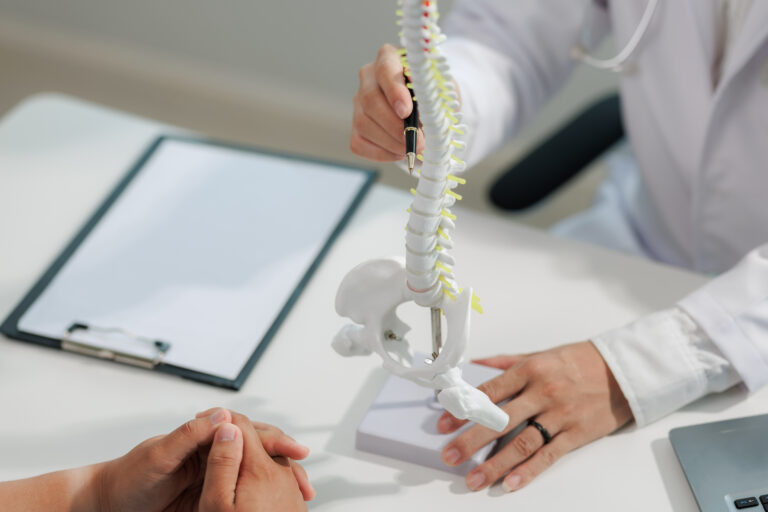
Chiropractic Treatment for Pain After a Fall on Ice
Falls on ice present significant challenges, often resulting in injuries that disrupt daily life. Addressing pain and restoring function is paramount for those affected. Chiropractic treatment offers a patient-focused, evidence-based approach to managing these injuries. By employing precise techniques such as spinal adjustments and soft tissue therapies, chiropractors aim to alleviate pain and enhance recovery. Exploring the methodologies and benefits of chiropractic care might reveal essential insights into optimizing post-fall rehabilitation.
Understanding the Impact of Falls on Ice
How do falls on ice impact the human body? Falls on ice can lead to significant morbidity due to sudden deceleration forces impacting the skeletal and muscular systems. The risk factors for such falls include age, impaired balance, and inadequate footwear, which exacerbate susceptibility to injury. Environmental hazards, such as uneven ice surfaces, poor lighting, and adverse weather conditions, further increase fall occurrence. Studies have shown that older adults are particularly vulnerable due to diminished proprioception and decreased bone density. Evidence suggests that preventive measures, including public awareness and environmental modifications, are indispensable in reducing incident rates. Understanding these factors is pivotal for developing effective strategies to mitigate the impact on individuals, thereby enhancing overall patient outcomes and minimizing healthcare burdens associated with ice-related falls.
Common Injuries Resulting From Ice-Related Falls
Ice-related falls frequently result in various injuries, with common fracture types including wrist and hip fractures due to the body’s natural protective response during a fall. Additionally, strains and sprains are prevalent, often affecting the soft tissues surrounding the joints, such as ligaments and tendons. Head and spine injuries also pose significant concerns, as they can lead to more severe outcomes and require immediate medical evaluation to prevent long-term complications.
Common Fracture Types
When individuals experience a fall on ice, several common fracture types often result, particularly affecting areas such as the wrist, hip, and ankle. These fractures can range from minor to severe, but each requires appropriate medical attention to guarantee proper healing and functionality.
- Wrist Fractures: Colles’ fracture is prevalent, characterized by a distal radius fracture due to the instinctive act of breaking one’s fall with an outstretched hand. Stress fractures and hairline fractures in this area may occur as well.
- Hip Fractures: Common in older adults, these fractures often involve the femoral neck or intertrochanteric region, leading to significant mobility issues.
- Ankle Fractures: These typically involve the distal tibia or fibula and can impact the syndesmotic ligament, affecting stability.
Early diagnosis and intervention are essential for ideal recovery.
Strains and Sprains
While fractures are a significant concern following a fall on ice, strains and sprains also frequently occur, affecting soft tissues and ligaments. Strains involve the overstretching or tearing of muscles or tendons, while sprains affect the ligaments that stabilize joints. These injuries can result in muscle imbalances and joint instability, leading to compromised functional mobility. Evidence suggests that timely assessment and intervention are essential for ideal recovery. Chiropractic care may address underlying muscle imbalances, restore joint function, and reduce inflammation. Treatment protocols often involve manual adjustments, therapeutic exercises, and patient education to prevent further injury. By focusing on the biomechanical imbalances, chiropractors can enhance the healing of soft tissue injuries, supporting patients in regaining their pre-injury activity levels.
Head and Spine Injuries
Head and spine injuries, frequently resulting from falls on ice, pose significant risks that require immediate attention. Such injuries not only disrupt daily function but can lead to long-term complications. Proper diagnosis is pivotal, focusing on identifying concussion symptoms and balance impairments. Evidence-based chiropractic care can play a central role in the management and recovery process.
Key concerns include:
- Concussion Symptoms: These may manifest as headache, dizziness, or cognitive disruptions.
- Balance Impairments: Often resulting from both neurological and musculoskeletal disruptions, requiring targeted therapeutic interventions.
- Spinal Fractures or Misalignments: These necessitate thorough assessment through imaging and manual examination to prevent further damage.
Prompt intervention is essential to mitigate the adverse effects and promote ideal recovery.
The Role of Chiropractic Care in Pain Management
How can chiropractic care effectively alleviate pain following a fall on ice? Chiropractic care employs a multifaceted approach to pain management by integrating rehabilitative techniques and injury management strategies. These approaches address musculoskeletal dysfunction resulting from slips or falls on icy surfaces. Evidence-based practices, such as spinal adjustments and mobilization, aim to restore joint alignment and improve function, thereby reducing pain. Additionally, chiropractors may utilize soft tissue therapies and prescribe exercises to strengthen injured areas, promoting recovery and preventing future injuries. By focusing on the underlying causes rather than symptom suppression, chiropractic interventions can enhance patient outcomes. Consequently, customized care plans tailored to specific needs guarantee effective pain relief, optimizing the recovery process for those suffering from ice-related injuries.
Assessing and Diagnosing Injuries With Chiropractic Methods
When appraising and diagnosing injuries resulting from falls on ice, chiropractic methods emphasize a thorough evaluation process to guarantee precise treatment planning. Practitioners utilize a combination of evidence-based techniques to assess the extent and nature of injuries. Key methods include:
- Range of Motion Assessment: Chiropractors measure joint flexibility and identify any restrictions that may indicate soft tissue damage, misalignments, or joint dysfunction.
- Diagnostic Imaging Techniques: Utilization of X-rays, MRIs, or ultrasounds provides detailed insights into the structural integrity of bones and soft tissues, aiding in pinpointing fractures or tears.
- Palpation and Functional Testing: Manual examination techniques help detect muscular imbalances and nerve irritations that may contribute to pain and functional impairment.
These methods collectively safeguard a comprehensive understanding of the patient’s condition for ideal care.
Techniques Used in Chiropractic Treatment for Fall-Related Injuries
In the context of fall-related injuries, chiropractic care employs targeted spinal adjustment techniques to restore alignment and alleviate pain, supported by evidence highlighting their efficacy in enhancing mobility. Soft tissue therapy is also integral, focusing on the manipulation of muscles and connective tissues to reduce tension and promote healing. Complementing these approaches, rehabilitation exercise programs are tailored to the patient’s specific needs, facilitating recovery and preventing future injury through improved strength and flexibility.
Spinal Adjustment Techniques
Spinal adjustment techniques are critical components of chiropractic treatment for managing fall-related injuries. These techniques aim to restore joint mobility and correct vertebral alignment, which are essential for alleviating pain and improving function. Chiropractors utilize evidence-based approaches tailored to individual patient needs. The primary techniques include:
- Diversified Technique: A manual method focusing on high-velocity, low-amplitude thrusts to enhance joint mobility and correct misalignments.
- Gonstead Technique: This approach emphasizes precise adjustments using detailed spinal assessment to guarantee ideal vertebral alignment and stability.
- Activator Method: A gentle technique employing a hand-held instrument that delivers a controlled force to targeted areas, promoting mobility and alignment without manual manipulation.
These techniques are integral in reducing discomfort and promoting recovery following falls, ensuring patients regain perfect spinal health.
Soft Tissue Therapy
Soft tissue therapy plays a pivotal role in chiropractic treatment for individuals who have sustained fall-related injuries, particularly on ice. This therapeutic approach focuses on alleviating pain and promoting healing through precise massage techniques and soft tissue mobilization. Evidence-based practices highlight that these methods effectively reduce muscle tension, improve circulation, and enhance range of motion. Chiropractors utilize specific massage techniques, such as myofascial release and trigger point therapy, to target affected areas, facilitating the breakdown of adhesions and scar tissue. Soft tissue mobilization involves gentle manipulation of muscles and fascia, aiding in the restoration of normal tissue function. Patient-centered care emphasizes individualized treatment plans, ensuring tailored interventions that address the unique needs of each patient, ultimately optimizing recovery outcomes.
Rehabilitation Exercise Programs
Numerous rehabilitation exercise programs form an integral component of chiropractic treatment for individuals with fall-related injuries, especially those occurring on ice. These programs are designed to facilitate recovery by emphasizing low impact exercises and strengthening regimens tailored to the patient’s specific condition. The aim is to enhance mobility, stability, and overall musculoskeletal health while minimizing further injury risk.
Key components of these exercise programs include:
- Low Impact Aerobics: Promote cardiovascular health without excessive strain on joints.
- Core Stabilization Exercises: Strengthen core muscles to improve balance and support spinal alignment.
- Progressive Resistance Training: Target muscle groups affected by the fall, aiding in restoring functional capacity and endurance.
Each program is evidence-based, allowing chiropractors to provide patient-centered care that fosters ideal recovery.
Benefits of Chiropractic Care for Post-Fall Recovery
Chiropractic care offers a multitude of benefits for individuals recovering from falls on ice by focusing on the restoration of musculoskeletal function and alleviation of pain. Through targeted spinal adjustments and manipulative techniques, chiropractors aim to restore joint mobility, which is often compromised following a fall. This approach not only reduces inflammation and muscle tension but also facilitates range of motion improvement, enabling patients to regain functional independence more swiftly. Evidence suggests that chiropractic interventions can effectively enhance proprioception and neuromuscular coordination, essential for preventing future falls. Additionally, personalized treatment plans are developed, emphasizing patient-specific needs and promoting ideal recovery. The non-invasive nature of chiropractic care makes it a viable option for those seeking relief without pharmacological interventions.
Integrating Chiropractic Care With Other Therapies
Following the benefits of chiropractic care for restoring musculoskeletal function and alleviating pain after a fall, integrating chiropractic interventions with other therapeutic modalities can enhance recovery outcomes. Incorporating integrative rehabilitation approaches guarantees comprehensive management of post-fall injuries by addressing multiple aspects of healing.
- Physical Therapy: Collaborating with physical therapists can aid in strengthening muscles and improving joint flexibility, complementing chiropractic adjustments.
- Massage Therapy: Utilizing massage therapy can reduce muscle tension and promote circulation, consequently supporting the benefits of chiropractic care.
- Acupuncture: Integrating acupuncture may alleviate pain and facilitate nervous system balance, enhancing overall recovery.
Personalized treatment plans are indispensable, as they tailor interventions to individual patient needs, optimizing the potential for recovery and ensuring a holistic approach to rehabilitation.
Tips for Preventing Future Falls on Ice
How can individuals effectively mitigate the risk of falling on ice and maintain their safety during icy conditions? Evidence suggests that strategic winter footwear choices are essential. Selecting boots with non-slip soles and proper insulation enhances traction, reducing slip incidences. Additionally, walking techniques on ice can significantly impact stability. Individuals are advised to adopt a cautious gait: short, deliberate steps while keeping the center of gravity over the front leg. This reduces the likelihood of imbalance. Furthermore, distributing body weight evenly and maintaining a slight forward lean can prevent backward falls. Research underscores the importance of situational awareness, encouraging individuals to visually scan for ice patches. Implementing these strategies can greatly decrease fall risk, ensuring safer winter navigation.
Testimonials and Success Stories of Chiropractic Patients
Numerous patients have shared transformative experiences with chiropractic treatment following falls on ice, highlighting its efficacy in pain management and recovery. Patient perspectives often emphasize the rapid improvements in mobility and pain relief. Success stories frequently outline specific recovery timelines, showcasing chiropractic intervention as an effective modality for musculoskeletal rehabilitation.
- Case Study A: A patient reported significant pain reduction within two weeks, emphasizing chiropractic adjustments’ role in accelerating recovery.
- Case Study B: Another individual experienced enhanced range of motion, returning to daily activities within a month post-treatment.
- Case Study C: A long-term follow-up revealed sustained benefits, with the patient maintaining pain-free status a year later.
These narratives underscore the potential of chiropractic care to facilitate timely recovery and improve quality of life post-injury.
Frequently Asked Questions
Is Chiropractic Treatment Covered by Insurance for Fall-Related Injuries?
Insurance coverage limits for chiropractic treatment vary by policy. Pre-existing condition considerations may affect eligibility. Patients should review their plan details and consult with providers to determine coverage specifics for fall-related injuries, ensuring evidence-based, patient-focused decisions.
How Soon After a Fall Should I See a Chiropractor?
Patients should seek an immediate assessment following a fall to guarantee careful monitoring of any musculoskeletal injuries. Evidence-based practice suggests addressing potential complications promptly to enhance recovery outcomes and minimize the risk of long-term issues.
Are There Any Side Effects of Chiropractic Treatment?
Chiropractic treatment side effects may include joint inflammation and muscle discomfort. These effects are generally mild and temporary. Evidence-based practice emphasizes patient-focused care, ensuring informed consent and minimizing risks while optimizing therapeutic outcomes.
Can Chiropractic Care Help With Anxiety After a Fall?
Chiropractic care’s role in managing emotional trauma or addressing mental health, such as anxiety, lacks robust evidence. However, its potential in holistic approaches may complement traditional therapies, ultimately benefiting patients’ overall well-being and recovery processes.
What Qualifications Should I Look for in a Chiropractor?
When evaluating a chiropractor, individuals should prioritize licensed professionals with substantial years of experience. Such qualifications guarantee adherence to clinical guidelines and improve patient outcomes through evidence-based practices, providing effective and safe chiropractic care tailored to patient needs.