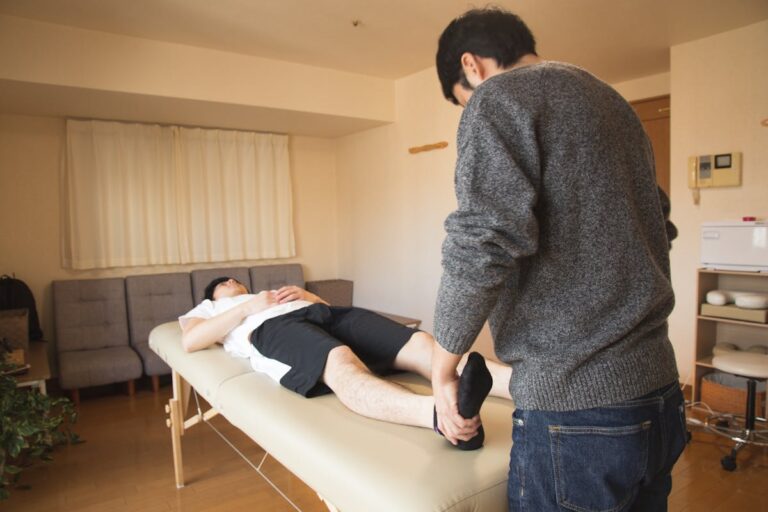
Chiropractic Care for Runners Recovering From Shin Splints
Shin splints, a common ailment among runners, often result from repetitive stress and biomechanical imbalances. Chiropractic care offers an effective approach to recovery, focusing on addressing these root causes. Through specialized techniques such as soft tissue mobilization and joint adjustments, chiropractors aim to restore proper function and promote healing. The integration of chiropractic care in a runner’s recovery plan not only aids in healing but also helps prevent future occurrences.
Understanding Shin Splints and Their Causes
Shin splints, a common affliction among athletes, especially runners, refer to pain along the inner edge of the shinbone, caused by inflammation of the muscles, tendons, and bone tissue. This condition often arises from excessive training, where the intensity and volume of workouts exceed an individual’s current fitness level. This overexertion leads to stress on the lower leg muscles, which can result in microtears and inflammation. Additionally, improper running technique contributes pivotally to the development of shin splints. Factors such as poor foot strike, inadequate footwear, and incorrect body alignment during running exacerbate strain on the shin area. Understanding these causes is essential for prevention, enabling athletes to adjust their training regimes and techniques to mitigate the risk of shin splints.
The Role of Chiropractic Care in Sports Injuries
Chiropractic care plays a pivotal role in addressing sports injuries by focusing on aligning musculoskeletal imbalances, which is indispensable for both recovery and ideal athletic performance. Through targeted adjustments and therapies, chiropractors can enhance the body’s natural healing processes, consequently shortening recovery time and improving functional outcomes. Additionally, routine chiropractic interventions can serve as a preventative measure, reducing the risk of future injuries by maintaining proper biomechanical function and stability.
Aligning Musculoskeletal Imbalances
How can musculoskeletal imbalances impact an athlete’s performance and recovery? Such imbalances can lead to inefficient movement patterns, increased injury risk, and prolonged recovery times. For runners, particularly those dealing with shin splints, these issues can drastically hinder performance. Chiropractic care plays a critical role by correcting postural deviations and restoring muscle balance. Through targeted adjustments and therapies, chiropractors address misalignments in the spine and other joints, which often contribute to uneven stress distribution across the musculoskeletal system. By focusing on correcting these deviations, chiropractic interventions help in reducing compensatory movement patterns. Additionally, restoring muscle balance guarantees that no muscle group is overworked, reducing strain on the shins and promoting ideal function and resilience in athletic endeavors.
Enhancing Recovery and Performance
The integration of chiropractic care into sports injury management enormously enhances recovery and performance among athletes. Chiropractors employ targeted adjustments to optimize biomechanical function, enabling athletes to achieve proper form techniques. By ensuring correct alignment, they help mitigate undue stress on joints and muscles, which is essential for runners recovering from shin splints. Chiropractic care complements muscle strengthening exercises, focusing on fortifying the lower extremities. Stronger muscles enhance stability and resilience, reducing the likelihood of re-injury. In addition, chiropractors can provide personalized exercise regimens that address specific needs, fostering an extensive recovery strategy. Through these interventions, chiropractic care not only accelerates recovery but also improves overall athletic performance, allowing athletes to return to their activities with increased efficiency and confidence.
Preventing Future Injuries
Can chiropractic care play an integral role in preventing sports injuries? Evidence suggests that chiropractic interventions can be pivotal in promoting injury prevention among athletes. By focusing on improving flexibility, chiropractic adjustments can optimize joint function and muscle coordination, which are essential in reducing the risk of injuries. Enhancing balance is another indispensable aspect where chiropractic care excels, as it contributes to overall stability and proprioception, fundamental for athletes in maintaining proper posture and movement patterns. Regular chiropractic assessments can identify biomechanical imbalances early, allowing for corrective measures before they escalate into injuries. Consequently, incorporating chiropractic care into athletes’ routines may not only aid in recovery but also serve as a proactive strategy in maintaining optimum physical condition and preventing future injuries.
Techniques Used by Chiropractors to Treat Shin Splints
Why do chiropractors often become an indispensable part of a runner’s recovery plan for shin splints? Chiropractors utilize various techniques that promote healing and prevent recurrence. One significant method is soft tissue mobilization, which involves manipulating muscles, fascia, and ligaments to alleviate tension and improve blood flow. This technique helps reduce inflammation and pain associated with shin splints. Additionally, chiropractors prescribe proprioceptive exercises to enhance balance, coordination, and neuromuscular control. These exercises are essential in rehabilitating the affected area and fortifying the muscles to withstand future stress. Chiropractors tailor these interventions based on individual needs, ensuring a thorough approach to recovery. By targeting both the symptoms and underlying causes, chiropractors play a pivotal role in the effective management of shin splints.
Benefits of Chiropractic Adjustments for Runners
Chiropractic adjustments can greatly benefit runners by enhancing joint mobility, which is essential for maintaining ideal performance and preventing injuries. These adjustments also encourage improved muscle recovery, assisting athletes in reducing downtime between training sessions. By addressing misalignments and relieving tension, chiropractic care supports the overall biomechanics of a runner’s body.
Enhanced Joint Mobility
Enhanced joint mobility stands as a critical benefit of chiropractic adjustments for runners, especially those recovering from shin splints. Chiropractic care focuses on realigning the musculoskeletal system, which can lead to improved joint function. By restoring proper alignment, chiropractors help maximize the mechanics of movement, allowing joints to operate more efficiently during physical activities. This increased range of motion is particularly beneficial for runners, as it aids in reducing tension and stress on the shins and surrounding muscles. Proper joint mobility not only supports the healing process but also enhances performance by enabling smoother and more effective strides. Consequently, chiropractic adjustments serve as a valuable intervention for those aiming to maintain ideal joint health and prevent future injuries during their running endeavors.
Improved Muscle Recovery
Muscle recovery is a critical component of a runner’s rehabilitation process, and chiropractic adjustments can substantially aid this aspect. By realigning the spine and extremities, these adjustments enhance the body’s natural healing mechanisms. This alignment facilitates increased oxygen flow to the muscles, which is essential for effective recovery. Consequently, chiropractic care helps in reducing inflammation, a common issue in injuries such as shin splints.
Benefits include:
- Increased Oxygen Flow: Proper alignment improves circulation, delivering more oxygen to tissues, accelerating recovery.
- Reduced Inflammation: Adjustments decrease inflammatory responses, alleviating pain and swelling, thereby promoting faster healing.
- Improved Muscle Function: Regular chiropractic sessions enhance muscle flexibility and function, aiding in overall rehabilitation for runners.
These benefits collectively contribute to a more efficient recovery process.
Identifying and Correcting Biomechanical Issues
When recovering from shin splints, runners often face biomechanical issues that need careful identification and correction to prevent recurrence. A vital first step involves evaluating gait patterns, which helps to uncover abnormal movements contributing to stress on the tibial region. Analyzing foot strike, stride length, and limb alignment provides insights into possible deviations from ideal biomechanics. Concurrently, examining biomechanical weaknesses is essential to pinpoint areas lacking strength or flexibility, such as the calves, ankles, or hips. These assessments allow chiropractors and specialists to develop strategies aimed at improving structural alignment and muscular balance. Techniques such as targeted exercises, orthotic interventions, and manual adjustments may be employed to address the identified issues, ultimately enhancing the runner’s performance and reducing injury risk.
The Importance of Customized Treatment Plans
A personalized approach to treatment is imperative for runners recovering from shin splints, as it accounts for the unique biomechanical and physiological characteristics of each individual. Customized rehabilitation plans guarantee that specific needs are addressed effectively, optimizing recovery and performance. Incorporating multidisciplinary treatment approaches can enhance these plans by integrating various therapeutic modalities.
- Biomechanical Assessment: Identifying individual gait patterns and muscle imbalances to tailor corrective exercises.
- Chiropractic Interventions: Providing spinal adjustments and soft tissue therapy to alleviate pain and improve functional mobility.
- Collaborative Care: Engaging physiotherapists, nutritionists, and other specialists to support thorough recovery strategies.
Preventing Future Injuries With Chiropractic Care
Effective prevention of future injuries in runners can be markedly enhanced through chiropractic care. Chiropractors employ a range of techniques to promote long-term musculoskeletal health, including rehabilitative exercises and corrective stretching. These methods are specifically designed to address imbalances and weaknesses that may predispose runners to injuries. By focusing on core stability, joint alignment, and muscle flexibility, chiropractic care plays a pivotal role in maximizing biomechanical efficiency. Rehabilitative exercises are tailored to strengthen areas susceptible to overuse, while corrective stretching aims to maintain ideal muscle length and elasticity. This thorough approach not only aids in immediate recovery but also fortifies the body against future stressors. Regular chiropractic evaluations guarantee that any emerging issues are promptly addressed, reducing injury risk.
Combining Chiropractic Care With Other Recovery Strategies
Integrating chiropractic care with other recovery strategies can greatly enhance the recovery process for runners dealing with shin splints. By focusing on holistic approaches, individuals can address multiple facets of recovery, ensuring a thorough healing journey.
- Proper Running Technique: Chiropractors can guide runners in optimizing their biomechanics, reducing stress on the shins, and promoting efficient movement patterns.
- Cross-Training: Incorporating low-impact exercises such as swimming or cycling can maintain cardiovascular fitness without exacerbating shin pain.
- Injury Prevention Strategies: Combining chiropractic adjustments with strength training and flexibility exercises can fortify the musculoskeletal system, minimizing future injury risks.
These integrated methods not only expedite recovery but also emphasize long-term resilience in running.
Tips for Finding the Right Chiropractor for Runners
When seeking an appropriate chiropractor for runners, where should one begin? First, choosing a qualified chiropractor is paramount. Prospective patients should verify the chiropractor’s credentials, ensuring they are licensed and have specialized training in sports injuries. Experience with treating runners specifically can be a significant advantage, as it suggests familiarity with common running-related ailments, such as shin splints.
Furthermore, considering personal preferences is essential in establishing a productive patient-chiropractor relationship. Some may prefer a chiropractor who emphasizes a comprehensive approach, while others might prioritize more conventional treatment methods. Reviews and testimonials can offer valuable insights into a chiropractor’s approach and patient satisfaction. Ultimately, finding a chiropractor who aligns with the runner’s specific needs and preferences can facilitate ideal recovery and enhance overall performance.
Frequently Asked Questions
How Long Does It Typically Take to Recover From Shin Splints With Chiropractic Care?
Recovery duration from shin splints varies, generally spanning weeks to months. Chiropractic care may expedite healing through bone density improvements and muscle strengthening exercises, promoting alignment and stability, subsequently enhancing recovery and reducing recurrence risks for runners.
Can Chiropractic Treatment Help With Immediate Relief From Shin Splint Pain?
Immediate pain reduction and improved joint mobility can be achieved through specific manual adjustments and therapeutic techniques. These interventions may offer temporary relief, focusing on alleviating tension and enhancing function, supporting the body’s natural healing processes.
Are There Specific Chiropractic Techniques Recommended for Severe Shin Splints?
Specific chiropractic techniques for severe shin splints often include joint mobilization techniques and the treatment of muscle imbalances. These approaches aim to enhance joint function, alleviate discomfort, and promote balanced muscle coordination to aid recovery effectively.
How Often Should a Runner Visit a Chiropractor for Shin Splint Issues?
A runner should consider visiting a chiropractor weekly to bi-weekly for joint alignment adjustments and biomechanical assessments. This frequency can support ideal recovery and help prevent further injury by maintaining proper musculoskeletal function and alignment.
Can Chiropractors Provide Advice on Running Techniques to Prevent Shin Splints?
Chiropractors can offer guidance on running techniques through proper running gait analysis and biomechanical foot assessments. These methods provide insights into individual biomechanics, helping identify form adjustments that may prevent shin splints and enhance overall running efficiency.