How Spinal Alignment Affects Surgical Outcomes
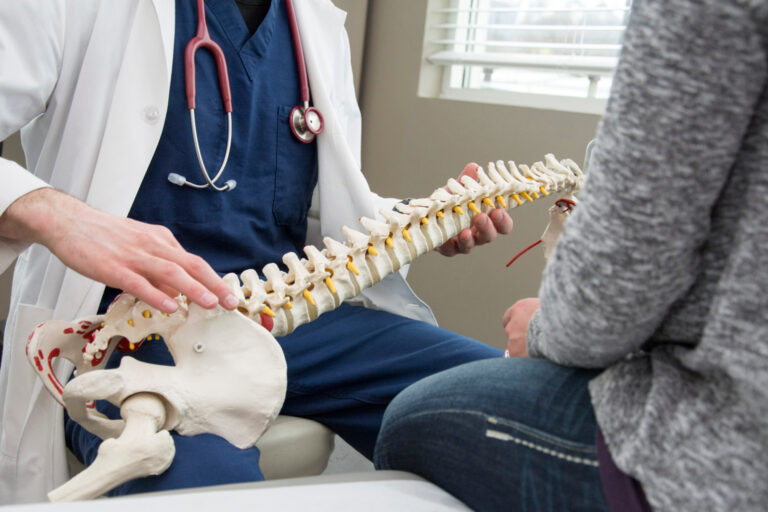
Spinal alignment plays a pivotal role in determining the success of surgical interventions. Proper alignment safeguards biomechanical efficiency, reducing strain on spinal structures. Misalignment, however, can compromise stability and lead to chronic pain or disability. Understanding spinal biomechanics and incorporating advanced diagnostic tools are imperative for precise realignment. These considerations are essential for distributing mechanical loads evenly, promoting recovery, and enhancing patient outcomes. Discover how these factors interconnect to impact surgical results.
The Importance of Spinal Alignment in Surgery
Spinal alignment plays a critical role in the success of surgical interventions involving the vertebral column. Proper posture guarantees that the vertebral segments are ideally positioned, minimizing undue biomechanical stresses during and after surgical procedures. Misalignment can lead to increased strain on spinal structures, potentially compromising surgical outcomes and leading to complications such as hardware failure or adjacent segment degeneration. Surgeons must consider the alignment of the spine to maintain the natural curvature, which distributes mechanical loads evenly across the vertebrae and intervertebral discs. This careful consideration aids in reducing postoperative complications and enhances recovery. Proper spinal alignment is paramount in preserving the structural integrity of the spine, thereby ascertaining the long-term effectiveness and success of the surgical intervention.
Understanding Spinal Biomechanics
A thorough understanding of spinal biomechanics is vital for evaluating the importance of spinal curvature, which plays a significant role in maintaining posture and facilitating movement. The mechanisms of load distribution across the spinal structures are essential for minimizing stress on individual vertebrae, thereby reducing the risk of injury and degeneration. Additionally, the stability of the spinal column is paramount in preserving functional integrity, directly impacting the outcomes of surgical interventions.
Importance of Spinal Curvature
While often overlooked, the curvature of the spine plays a critical role in maintaining biomechanical efficiency and stability. The preservation of spinal curvature is essential for distributing forces evenly across vertebral structures, thereby reducing undue stress. An ideal spinal curvature range allows for perfect alignment, facilitating effective load-bearing and minimizing the likelihood of degenerative changes. Deviations from this curvature can lead to compensatory mechanisms that may impair mechanical function and increase the risk of injury or pathology. Surgical interventions aiming to restore or maintain spinal curvature are pivotal in enhancing postoperative outcomes. Achieving the ideal spinal curvature range supports the spine’s natural biomechanics, contributing to improved mobility and reduced pain. Consequently, precise assessment and management of spinal curvature are indispensable in surgical planning.
Load Distribution Mechanisms
Understanding the intricacies of load distribution mechanisms is pivotal for comprehending spinal biomechanics. The spine’s ability to effectively manage forces is indispensable for maintaining structural integrity and function. Load transfer principles are central to this process, ensuring that forces applied to the spine are distributed across its components efficiently. The compressive force distribution within the spinal column plays a paramount role in minimizing stress concentrations that could lead to damage or dysfunction. Key aspects include:
- Vertebral Alignment: Proper alignment allows for even force distribution.
- Intervertebral Discs: These act as shock absorbers, distributing compressive forces.
- Facet Joints: They contribute to load sharing by guiding motion.
- Ligamentous Support: Ligaments provide stabilization, aiding in load transfer.
Understanding these elements is imperative for predicting surgical outcomes.
Spinal Column Stability
Spinal column stability is a vital aspect of spinal biomechanics, ensuring the maintenance of functional posture and resistance to external forces. Essential to this stability is the precise vertebral body positioning, which plays a pivotal role in distributing mechanical loads evenly across the spinal structure. Misalignment can lead to uneven load distribution, potentially compromising spinal integrity and leading to degenerative changes. Additionally, disc height preservation is fundamental, as intervertebral discs act as shock absorbers and facilitate movement between vertebrae. Reduction in disc height can alter spinal biomechanics, increasing stress on adjacent vertebrae and joints. As a result, maintaining ideal vertebral alignment and preserving disc height are important for upholding spinal stability, directly impacting surgical outcomes and long-term spinal health.
Common Misalignments and Their Impacts
How do common spinal misalignments influence surgical outcomes? Misalignments can lead to asymmetric loading patterns and compensatory curve development, impacting surgical efficacy and recovery. These factors alter the biomechanical environment of the spine, potentially complicating postoperative outcomes. Misalignments can manifest in various forms:
- Scoliosis: Characterized by lateral curvature, scoliosis may require complex surgical intervention due to the compensatory curve development.
- Kyphosis: Excessive forward curvature compromises sagittal balance, leading to increased stress on adjacent segments.
- Lordosis: Hyperlordosis often results in asymmetric loading patterns, affecting spinal stability and surgical correction.
- Rotational Deformities: These misalignments influence the axial load distribution, complicating surgical alignment and fixation.
Understanding these misalignments is fundamental when planning interventions to optimize surgical results and patient recovery.
Pre-Surgical Assessment of Spinal Alignment
To effectively address spinal misalignments and optimize surgical outcomes, a meticulous pre-surgical evaluation is paramount. This process involves extensive radiographic analysis and preoperative imaging to accurately evaluate spinal alignment. Radiographic analysis allows for precise measurement of spinal curvatures, vertebral rotation, and sagittal balance, providing critical data for surgical planning. Preoperative imaging, including X-rays, MRI, and CT scans, offers detailed visualization of spinal anatomy and any existing deformities. Such imaging modalities are essential for identifying underlying pathologies and gauging the extent of misalignment. A thorough assessment safeguards tailored surgical interventions and minimizes postoperative complications. By integrating these diagnostic tools, surgeons can make informed decisions, enhancing the likelihood of achieving favorable surgical outcomes and improved patient quality of life.
Techniques for Achieving Optimal Alignment
Achieving ideal spinal alignment requires a combination of non-invasive and surgical techniques, each tailored to the specific needs of the patient. Non-invasive strategies, including physical therapy and orthotic support, aim to improve posture and muscular balance, thereby reducing misalignment risks. When these methods are insufficient, surgical realignment techniques, such as spinal fusion or osteotomy, are employed to correct structural deformities and stabilize the spine.
Non-Invasive Alignment Strategies
Non-invasive alignment strategies play a fundamental role in optimizing spinal alignment, which is indispensable for enhancing surgical outcomes and patient recovery. These methodologies focus on non-invasive adjustment techniques and non-surgical alignment methods to improve spinal balance. Key strategies include:
- Physical Therapy: Utilizes exercises and manual therapies aimed at enhancing spinal flexibility and strength.
- Chiropractic Care: Employs specific manual adjustments to correct misalignments and relieve spinal pressure.
- Orthotic Devices: Involves the use of braces or supports to aid in maintaining proper spinal posture.
- Postural Training: Focuses on educating patients about maintaining proper posture during daily activities to prevent misalignment.
These methods are pivotal in pre-surgical preparation and post-operative recovery, ensuring a more favorable surgical outcome by promoting ideal spinal alignment.
Surgical Realignment Techniques
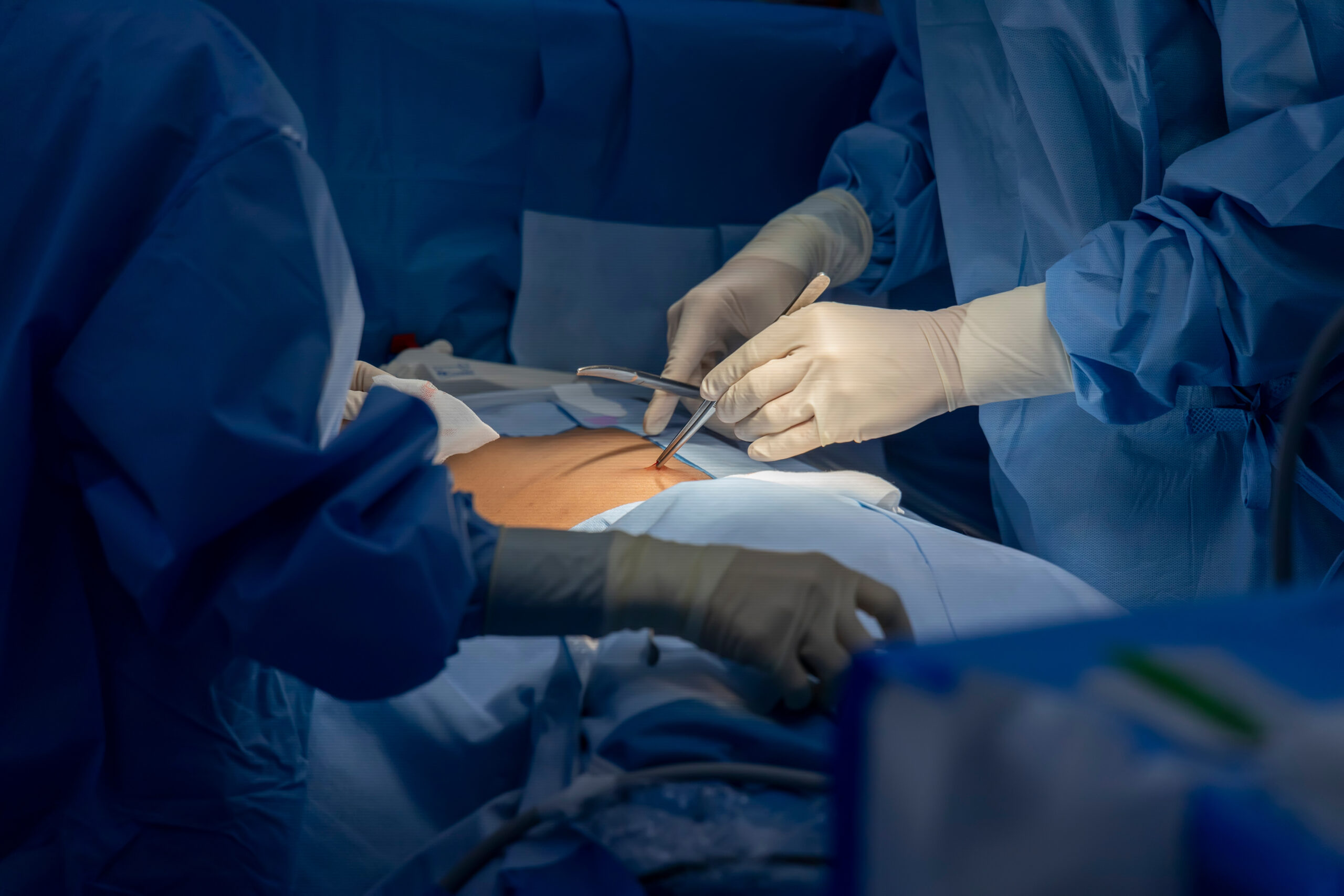
When non-invasive methods are insufficient to achieve ideal spinal alignment, surgical realignment techniques become imperative. These approaches are critical for correcting significant spinal deformities and enhancing surgical outcomes. Minimally invasive techniques, such as percutaneous instrumentation, have gained prominence due to reduced tissue disruption and faster recovery times. These techniques allow surgeons to make smaller incisions, decreasing the risk of complications. Intraoperative imaging guidance, including fluoroscopy and three-dimensional navigation systems, plays a pivotal role in enhancing surgical precision. This technology provides real-time visualization, enabling surgeons to accurately assess and adjust vertebral positioning during the procedure. By integrating minimally invasive techniques with advanced imaging guidance, surgical realignment aims to optimize spinal alignment while minimizing patient morbidity and improving postoperative recovery.
Post-Surgical Alignment Considerations
Post-surgical alignment plays a crucial role in determining the overall success of spinal surgeries. Ensuring ideal spinal alignment post-surgery requires meticulous planning and execution. Key considerations include:
- Intraoperative Monitoring: Continuous monitoring during surgery is essential to maintain alignment, reducing the risk of postoperative complications.
- Postoperative Rehabilitation: Structured rehabilitation programs facilitate the recovery process by promoting alignment maintenance, ensuring long-term stability.
- Assessment of Spinopelvic Parameters: Critical evaluation of parameters like pelvic tilt and sacral slope guides postoperative care, minimizing the risk of misalignment.
- Regular Follow-ups: Scheduled evaluations post-surgery help detect alignment issues early, enabling timely interventions.
These elements work in tandem to enhance surgical outcomes, providing a comprehensive framework for managing spinal alignment post-surgery. Each factor contributes uniquely to the overall success of surgical intervention, emphasizing the importance of a holistic approach.
The Role of Technology in Enhancing Alignment
How is technology revolutionizing the landscape of spinal surgery by enhancing alignment precision? The integration of robotic guidance systems and intraoperative imaging techniques has markedly improved surgical accuracy. Robotic guidance systems provide real-time feedback, enhancing the surgeon’s ability to achieve ideal spinal alignment. These systems reduce human error by offering precise control and stability during complex procedures. Concurrently, intraoperative imaging techniques, such as advanced 3D imaging, allow for dynamic assessment of spinal structures during surgery. This facilitates immediate visualization of alignment, enabling adjustments in real time. Together, these technologies minimize the risk of postoperative complications and improve overall surgical outcomes. This technological synergy has set new standards in the precision and efficacy of spinal alignment procedures, maximizing patient recovery and surgical success.
Patient-Centric Approaches to Alignment
Patient-centric approaches to spinal alignment prioritize individualized care strategies that align with the unique anatomical and physiological needs of each patient. This methodology emphasizes patient engagement and the development of personalized treatment plans to enhance surgical outcomes. By focusing on each patient’s specific alignment requirements, healthcare providers can:
- Evaluate individual spinal curvature: This guarantees that treatments are tailored to the unique spinal anatomy of the patient.
- Develop personalized rehabilitation plans: Customized exercises and therapies promote ideal recovery and alignment.
- Enhance patient engagement in decision-making: Involving patients in their care plans fosters adherence and satisfaction.
- Monitor progress through regular evaluations: Ongoing assessments allow for adjustments to treatment plans as needed.
These strategies aim to improve patient satisfaction and surgical success by addressing individual needs thoroughly.
Long-Term Health Implications of Spinal Alignment
Effective spinal alignment is not only crucial during the immediate postoperative phase but also has significant ramifications for long-term health. Persistent misalignment can lead to chronic pain, reduced mobility, and degenerative changes in spinal structures. Consequently, adopting rehabilitative practices is essential to maintain proper alignment and prevent further complications. Structured physical therapy regimens focusing on strength, flexibility, and postural control are integral to these practices. Additionally, lifestyle modifications play a pivotal role in sustaining spinal health. Ergonomic adjustments in daily activities, weight management, and regular exercise are indispensable strategies. These measures collectively mitigate the risk of recurrent spinal issues and enhance overall functional outcomes. An interdisciplinary approach guarantees that patients achieve optimal recovery and maintain spinal integrity over the long term.
Frequently Asked Questions
How Does Spinal Alignment Affect Post-Surgical Pain Management?
Spinal alignment is vital for optimizing post-surgical mobility levels, directly influencing long-term pain management strategies. Proper alignment minimizes stress on surrounding tissues, thereby reducing pain and facilitating effective rehabilitation, ultimately improving overall recovery outcomes and enhancing patient quality of life.
Can Poor Alignment Lead to Surgical Complications?
Poor spinal alignment substantially impacts the surgical approach by complicating access and visualization during procedures. This misalignment increases the likelihood of revision procedures due to suboptimal initial outcomes, emphasizing the importance of preoperative alignment assessment and correction.
What Are Signs of Misalignment After Surgery?
Post-surgical misalignment signs include uneven muscle tension, evident through asymmetrical muscular stress, and altered gait patterns, marked by irregularities in walking mechanics. These indicators necessitate precise clinical evaluation to prevent further complications and optimize recovery pathways.
How Quickly Can Patients Expect to Recover With Proper Alignment?
Patients with proper alignment post-surgery can anticipate an expected recovery timeline of approximately 6 to 12 weeks. The rate of recovery progress varies individually, influenced by factors such as age, overall health, and adherence to rehabilitation protocols.
Are There Non-Surgical Methods to Improve Spinal Alignment Pre-Surgery?
There are non-surgical methods to improve spinal alignment pre-surgery, including chiropractic adjustments and physical therapy exercises. These interventions aim to optimize spinal posture, potentially enhancing surgical outcomes by ensuring structural balance and reducing recovery time.