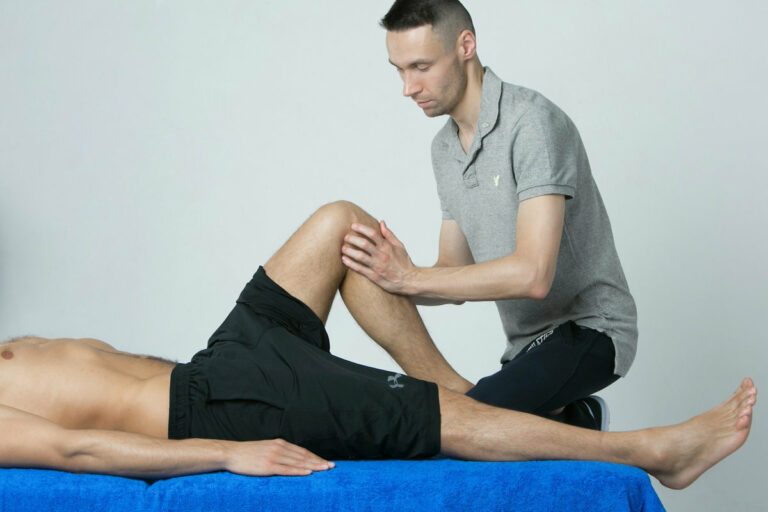

Chiropractic Tips to Regain Strength and Stability After Spinal Surgery
Chiropractic care is integral to regaining strength and stability post-spinal surgery. It involves gentle adjustments, exercises, and lifestyle guidance to aid recovery. By maintaining proper spinal alignment and promoting natural motion, chiropractic techniques enhance circulation and reduce pain. Through targeted strategies, patients rebuild muscle strength and coordination, minimizing future injury risks. This holistic approach supports recovery, but exploring the specific techniques and benefits further reveals its full potential.
Understanding the Role of Chiropractic Care in Recovery
How does chiropractic care influence the recovery process after spinal surgery? Chiropractic care can play a significant role in enhancing recovery by offering tailored patient education and setting realistic treatment expectations. This approach emphasizes the importance of understanding the body’s changes post-surgery, facilitating a seamless shift during the healing phase. Chiropractors provide detailed insights into spinal alignment and functional restoration, which can prevent complications and promote ideal outcomes. Through patient education, individuals gain knowledge about their condition, empowering them to participate actively in their recovery journey. Treatment expectations are managed by outlining achievable goals, reducing anxiety, and fostering a positive mindset. This holistic approach guarantees that patients are well-equipped to regain strength and stability, ultimately supporting long-term recovery success.
Choosing the Right Chiropractor for Post-Surgery Rehabilitation
Selecting an appropriate chiropractor for post-surgery rehabilitation involves several critical considerations. First, verifying the chiropractor’s credentials guarantees they have the necessary qualifications and licenses to provide adequate care. Additionally, evaluating their experience in rehabilitation and assessing their communication style are essential steps to ascertain effective and safe recovery guidance.
Verify Chiropractor Credentials
When considering post-surgery rehabilitation with a chiropractor, it is imperative to verify the chiropractor’s credentials to guarantee safe and effective care. Understanding certification requirements ensures that the practitioner is adequately trained. This verification process involves confirming that the chiropractor holds a valid license, meeting both educational and clinical proficiency standards. Additionally, being mindful of legal restrictions in the region is critical, as these define the scope of practice and guarantee compliance with health regulations.
Key points to verify include:
- Licensure: Ensure the chiropractor has an active state license.
- Certification: Check for specialty certifications related to spinal rehabilitation.
- Accreditation: Confirm they graduated from an accredited chiropractic program.
- Disciplinary History: Investigate any past legal actions or professional misconduct.
These steps are essential in selecting a qualified professional.
Assess Rehabilitation Experience
Evaluating a chiropractor’s experience in rehabilitation is essential for ensuring effective post-surgery care. An adept chiropractor should possess a proven track record in facilitating recovery through comprehensive rehabilitative strategies. This expertise is indispensable in aligning with the patient’s rehabilitative goals, which may include restoring mobility, enhancing strength, and improving overall stability. A meticulous approach to physical assessments enables the chiropractor to tailor individualized care plans that address specific post-surgical needs. These assessments are instrumental in tracking progress and making necessary adjustments to the rehabilitation program. Additionally, a chiropractor with substantial rehabilitation experience can efficiently collaborate with other healthcare professionals, ensuring an integrated approach to recovery. Selecting a chiropractor with the appropriate expertise can profoundly influence the success of post-surgical rehabilitation.
Evaluate Communication Style
How does a chiropractor’s communication style impact the post-surgery rehabilitation process? Effective communication is indispensable for optimizing recovery outcomes after spinal surgery. A thorough communication style evaluation can reveal how well a chiropractor facilitates understanding and trust in their practice. Interpersonal dynamics play a significant role in ensuring that patient concerns are addressed and rehabilitation plans are clearly communicated.
- Clarity: A chiropractor should explain complex procedures in easily understandable terms, enhancing patient comprehension.
- Empathy: Demonstrating genuine concern can foster a supportive environment, improving patient motivation.
- Active Listening: Paying attention to patient feedback can personalize treatment plans to better suit individual needs.
- Consistency: Regular updates on progress and adjustments to the rehabilitation strategy can maintain patient confidence and engagement.
Evaluating these aspects can guide individuals in selecting an appropriate chiropractor for their post-surgery needs.
Gentle Adjustments for Enhanced Mobility
Post-surgery chiropractic care focuses on gentle adjustments to improve mobility and facilitate the recovery process. These adjustments are designed to maintain proper spinal alignment, which is essential for enhancing mobility and reducing the risk of complications. Chiropractors employ techniques that are specifically tailored to post-surgical patients, ensuring that the spine is supported during the healing phase. By focusing on proper spinal alignment, these adjustments can help restore the natural range of motion, thereby promoting stability and strength.
In conjunction with gentle adjustments, therapeutic massage techniques are often utilized to further support recovery. These massages aim to relax surrounding muscles, reduce tension, and improve circulation, all of which contribute to the overall healing process. Together, these chiropractic methods provide an extensive approach to regaining post-surgical mobility.
Pain Management Techniques Through Chiropractic
Effective pain management is a pivotal component of chiropractic care following spinal surgery. Chiropractors employ a variety of techniques to facilitate natural pain relief, minimizing the reliance on pharmaceuticals. Emphasizing holistic therapies, the objective is to address the root cause of discomfort. Techniques include:
- Spinal Manipulation: Gentle adjustments that realign the spine, reducing pressure on nerves.
- Soft Tissue Therapy: Targeted massage techniques to alleviate muscle tension and promote circulation.
- Physical Modalities: Use of heat, cold, and electrical stimulation to reduce inflammation and enhance healing.
- Lifestyle Counseling: Guidance on ergonomics, nutrition, and stress management to support recovery.
These approaches collectively aim to restore balance, enhance recovery, and improve quality of life for post-surgical patients.
Incorporating Targeted Exercises for Strength Building
In the context of post-spinal surgery rehabilitation, incorporating targeted exercises is essential for rebuilding strength and functionality. Core muscle activation, leg strength enhancement, and improved balance and coordination are critical components that aid in the recovery process. These exercises not only facilitate a gradual return to daily activities but also help in minimizing the risk of future injuries.
Core Muscle Activation
Core stability plays a pivotal role in the rehabilitation process following spinal surgery. Engaging in progressive muscle activation and isometric core strengthening can accelerate recovery by enhancing the structural support needed for spinal protection and functional movement. Incorporating targeted exercises fosters the gradual building of strength while minimizing undue stress on vulnerable areas.
Key exercises include:
- Plank Holds: Engaging the deep abdominal muscles through isometric contraction.
- Dead Bug: Promotes coordination and simultaneous activation of the core and limbs.
- Bridge Pose: Strengthens the lower back and gluteal muscles, supporting spinal alignment.
- Bird Dog: Enhances balance and stability, activating both core and back muscles.
These exercises, when integrated thoughtfully, contribute to a robust foundation, essential for regaining independence and stability post-surgery.
Leg Strength Enhancement
Building upon the foundation of core stability, enhancing leg strength is a critical component of post-spinal surgery rehabilitation. A structured program focusing on muscle strengthening techniques can greatly aid in restoring functional mobility and support. Initially, patients can engage in isometric exercises, which safely activate muscle groups without excessive strain on the spine. Progression to dynamic movements, such as controlled leg raises or gentle squats, can further bolster muscle endurance. Range of motion exercises should complement these strength-building activities, ensuring flexibility and joint health. Consistently incorporating these leg-focused strategies facilitates a balanced recovery, promoting both strength and stability. With careful guidance, patients can achieve improved lower limb robustness, ultimately contributing to a more thorough rehabilitation outcome.
Balance and Coordination
While recovering from spinal surgery, enhancing balance and coordination becomes as pivotal as strengthening the core and legs. Implementing proprioceptive exercises and vestibular rehabilitation can greatly aid in restoring stability. Proprioceptive exercises focus on improving the body’s ability to sense its position, enhancing neuromuscular control. These exercises, combined with vestibular rehabilitation, can effectively address balance deficits and promote functional recovery.
Incorporating targeted exercises can include:
- Single-leg stands: Enhance static balance and proprioception.
- Heel-to-toe walks: Improve dynamic balance and coordination.
- Balance board exercises: Challenge proprioceptive acuity and stability.
- Gaze stabilization drills: Boost vestibular function and head-eye coordination.
Balancing Rest and Activity for Optimal Healing
Achieving the perfect balance between rest and activity is crucial for ideal healing following spinal surgery. Adequate rest periods promote tissue repair, while carefully monitored activity aids in maintaining energy levels and preventing deconditioning. Patients should follow a structured rehabilitation program that gradually reintroduces physical activity, focusing on gentle movements initially to avoid strain. This approach helps in managing stress levels, which is critical, as elevated stress can impede recovery processes. Health professionals recommend engaging in light exercises, such as walking, to stimulate circulation without overwhelming the body. Regular consultations with healthcare providers are essential to tailor activity levels appropriately, ensuring each phase of recovery is aligned with the patient’s condition and capabilities, facilitating an ideal healing environment.
Addressing Posture and Alignment Issues
Addressing posture and alignment issues is a fundamental aspect of recovery after spinal surgery, as it directly impacts the healing process and long-term spinal health. Proper alignment alleviates pressure on the spine and aids in reducing postoperative pain. Implementing postural correction strategies can improve recovery outcomes. These strategies often include ergonomic furniture recommendations to support ideal posture during daily activities.
- Ergonomic furniture recommendations: Utilize chairs with lumbar support to maintain natural spinal curves.
- Postural exercises: Incorporate exercises that strengthen core muscles, enhancing spinal stability.
- Workstation adjustments: Position computer monitors at eye level to prevent neck strain.
- Mindful movement: Encourage awareness of body mechanics during everyday tasks to prevent misalignment.
These measures promote spinal alignment, supporting both immediate recovery and future spinal health.
Nutritional Support for Spinal Health
A crucial component of recovery and long-term spinal health after surgery is nutritional support. Proper nutrition plays a critical role in bone density improvement, an essential factor in maintaining spinal integrity. Adequate intake of calcium-rich foods contributes to bone health, but without sufficient vitamin D supplementation, calcium absorption may be compromised. Vitamin D is pivotal in promoting calcium uptake, hence enhancing bone strength and stability. Additionally, a diet rich in antioxidants and omega-3 fatty acids can support inflammation reduction, further aiding recovery. Ensuring an intake of essential nutrients supports tissue repair and overall spinal health. Consequently, a well-balanced diet, tailored to include these elements, is recommended to facilitate recovery and protect spinal health post-surgery.
Monitoring Progress and Adjusting Treatment Plans
Monitoring progress and adjusting treatment plans play a vital role in the recovery journey following spinal surgery. This phase involves tracking recovery milestones to guarantee patients are on the path to regaining strength and stability. Chiropractors utilize a systematic approach to assess patient improvement and make necessary modifications to the treatment strategy. Managing patient expectations is imperative, as recovery rates vary enormously among individuals. Key considerations include:
- Regular Assessment: Conducting periodic evaluations to measure improvements and identify areas needing attention.
- Flexibility in Planning: Adapting treatment plans based on patient progress and specific needs.
- Goal Setting: Establishing realistic, achievable recovery milestones to motivate and guide patients.
- Patient Education: Informing patients about potential setbacks and the importance of adhering to prescribed exercises.
This structured approach promotes an effective recovery process.
Frequently Asked Questions
What Should I Avoid Doing Immediately After Spinal Surgery?
After spinal surgery, individuals should avoid heavy lifting and strenuous activities to prevent complications. Limited movement and careful adherence to medical advice are imperative to certify proper healing, minimize risks, and promote a safe recovery process.
How Long Does It Take to Recover Fully From Spinal Surgery?
The recovery timeline after spinal surgery varies, typically ranging from three months to a year. Adhering to rehabilitation recommendations, including physical therapy and gradual activity increase, is essential for ideal recovery and restoring strength and stability.
Are There Specific Sleeping Positions That Aid Recovery Post-Surgery?
Specific side sleeping positions can aid recovery by reducing pressure on the spine. Mattress adjustments, such as using a medium-firm mattress, support spinal alignment and comfort, promoting more effective healing and minimizing post-surgery discomfort.
Can I Drive After Undergoing Spinal Surgery, and if So, When?
Determining a post-surgery driving timeline involves consulting a healthcare professional. Driving precautions include ensuring pain is controlled, avoiding medications affecting alertness, and regaining sufficient mobility. Generally, approval is given several weeks after spinal surgery, depending on recovery progress.
What Are the Signs of Complications to Watch for After Spinal Surgery?
After spinal surgery, individuals should monitor for post surgical infection symptoms such as fever, redness, and swelling. Signs of nerve damage include numbness, tingling, or weakness in the limbs. Prompt medical consultation is essential upon noticing these signs.