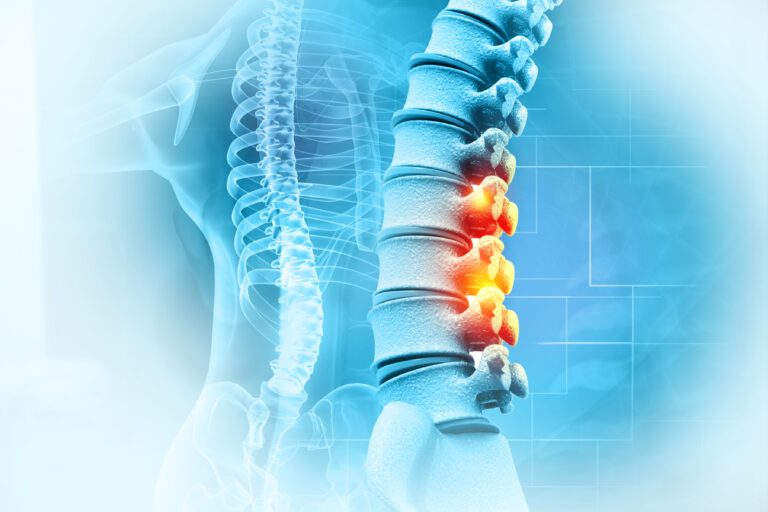

Pre-Surgical Chiropractic Assessments: What to Expect
Pre-surgical chiropractic assessments are integral to optimizing a patient’s surgical preparedness. These assessments focus on detailed evaluations of joint mobility, spinal flexibility, and musculoskeletal health. Through a structured approach involving patient history, physical examinations, and diagnostic tools, chiropractors can identify biomechanical issues that may affect surgery. This evidence-based process not only aids in tailoring perioperative strategies but also enhances surgical outcomes and recovery. Discover how these assessments can transform patient experiences before surgery.
Understanding Pre-Surgical Chiropractic Assessments
How do pre-surgical chiropractic assessments contribute to ideal surgical outcomes? These assessments play a critical role in identifying joint mobility limitations and evaluating spinal flexibility, which are essential for planning effective surgical interventions. Chiropractors conduct comprehensive evaluations that include meticulous spinal flexibility assessments, providing data-driven insights into the patient’s musculoskeletal health. This evidence-based approach aids in predicting potential surgical challenges and tailoring perioperative strategies. Accurate identification of joint mobility limitations allows for personalized prehabilitation programs, optimizing patient readiness for surgery. By focusing on these biomechanical factors, chiropractors enhance surgical precision and recovery potential. Ultimately, these assessments support clinicians in achieving ideal surgical outcomes through informed decision-making and individualized patient care, underscoring their value in pre-surgical planning protocols.
The Role of Chiropractic Care in Surgery Preparation
Building upon the insights from pre-surgical chiropractic assessments, chiropractic care plays an integral role in preparing patients for surgery by enhancing musculoskeletal function and overall physiological readiness. Pre-surgical chiropractic interventions focus on joint mobility enhancement, which is pivotal for optimizing surgical outcomes and expediting recovery. Evidence-based techniques include spinal manipulation and mobilization to improve range of motion and reduce musculoskeletal tension. Additionally, spinal stabilization exercises are utilized to strengthen core musculature, thereby reducing the risk of intraoperative and postoperative complications related to spinal instability. These exercises are tailored to individual patient needs, ensuring personalized care that supports surgical precision. Research indicates that improved joint function and spinal stability contribute to decreased perioperative pain and enhanced rehabilitation, ultimately facilitating a smoother surgical experience.
Initial Consultation and Evaluation Process
During the initial consultation and evaluation process, the chiropractor systematically assesses the patient’s musculoskeletal health to establish a baseline for pre-surgical chiropractic care. This procedure begins with the collection of a comprehensive patient history, which includes information on previous injuries, chronic conditions, and surgical plans. The chiropractor pays particular attention to symptoms that may affect the surgical outcome. Following the history intake, a thorough physical examination process is conducted, focusing on posture, range of motion, and spinal alignment. This step is essential for identifying any underlying biomechanical issues that could influence surgical success. By integrating evidence-based methods, the chiropractor makes certain that the assessment is both precise and tailored to the individual’s needs, consequently optimizing the pre-surgical preparation.
Key Components of a Chiropractic Assessment
What constitutes an effective chiropractic assessment in the context of pre-surgical preparation? An ideal assessment involves a detailed analysis of joint biomechanics and spinal alignment, both critical in anticipating surgical outcomes. Chiropractors employ evidence-based diagnostic tools to evaluate these parameters, ensuring that any dysfunctions or misalignments are identified. This includes palpation techniques, orthopedic tests, and advanced imaging technologies.
The focus is on understanding how joint biomechanics may contribute to or detract from surgical success. Evaluating spinal alignment is essential for identifying compensatory patterns that could affect post-surgical recovery. By addressing these factors, the chiropractic assessment aims to optimize the patient’s musculoskeletal condition, potentially reducing surgical risk and enhancing recovery. This patient-focused, systematic approach underscores chiropractic’s role in pre-surgical strategies.
Preparing the Body for Surgery
Pre-surgical chiropractic techniques are instrumental in optimizing physiological readiness and enhancing surgical outcomes. Evidence-based modalities, such as spinal adjustments and soft tissue therapy, aim to improve neuromuscular function, reduce pain, and decrease inflammation. By focusing on these therapeutic interventions, chiropractors contribute to minimizing postoperative complications and expediting recovery.
Chiropractic Techniques for Healing
Although often overlooked, chiropractic techniques play a pivotal role in preparing the body for surgery by optimizing musculoskeletal function and potentially enhancing surgical outcomes. Techniques such as spinal cord stimulation and manual adjustment techniques are employed to improve spinal alignment and neuromuscular health. Spinal cord stimulation can modulate pain pathways, reducing preoperative discomfort and potentially lowering the need for analgesics. Manual adjustment techniques focus on correcting vertebral subluxations, thereby enhancing nervous system effectiveness and promoting ideal body mechanics. These interventions aim to reduce musculoskeletal stress and improve physiological balance, which is essential for surgical readiness. Evidence suggests that integrating chiropractic care into pre-surgical protocols may improve patient outcomes by fostering a more resilient and adaptable physiological state, conducive to surgical stressors.
Enhancing Surgical Outcomes
Integrating chiropractic care into surgical preparation protocols offers a strategic approach to enhance surgical outcomes by maximizing physiological readiness. This approach focuses on correcting musculoskeletal imbalances and achieving postural optimization, which are fundamental for reducing surgical complications and facilitating recovery. Pre-surgical chiropractic assessments identify areas of dysfunction, allowing for targeted adjustments that realign the spine and improve biomechanical efficiency. Evidence suggests that such interventions may decrease operative time and enhance postoperative healing by ensuring that the body is in an ideal state before surgery. Additionally, addressing musculoskeletal imbalances can potentially decrease postoperative pain and accelerate rehabilitation. By incorporating chiropractic care into pre-surgical routines, patients may experience improved surgical outcomes, reduced recovery times, and an overall enhancement in quality of life post-surgery.
Aligning the Spine and Nervous System
For ideal surgical outcomes, aligning the spine and nervous system through chiropractic assessments plays a pivotal role in patient preparation. Chiropractors focus on optimizing nervous system alignment and spinal biomechanics to enhance bodily functions pre-surgery. This evidence-based approach involves evaluating spinal alignment to detect any subluxations that could potentially disrupt nerve communication. Precise adjustments are then implemented to correct these misalignments, thereby promoting optimal nervous system functionality. By addressing spinal biomechanics, chiropractic care contributes to improved physiological balance, potentially reducing surgical risks and enhancing recovery. Such alignment guarantees that the nervous system operates at peak efficiency, which is critical for supporting the body’s healing processes post-surgery. This preparatory step serves to bolster the patient’s overall physiological resilience during and after surgical interventions.
Chiropractic Techniques for Optimal Surgical Outcomes
Chiropractic techniques serve as an essential component in maximizing surgical outcomes by ensuring the musculoskeletal system is in its most efficient state prior to surgery. Spinal decompression exercises are employed to alleviate pressure on spinal discs, facilitating enhanced neural function and reducing pre-operative discomfort. This approach is indispensable for patients scheduled for procedures involving the spine, as it promotes a balanced musculoskeletal environment. Mobilization techniques are integral in enhancing joint flexibility and range of motion, which can minimize operative complications and expedite post-surgical recovery. Evidence-based practices underscore the significance of these interventions, highlighting their role in reducing inflammation and improving musculoskeletal alignment. By incorporating these strategies, chiropractors aim to support ideal surgical results, thereby enhancing patient satisfaction and functional outcomes.
Enhancing Recovery Through Chiropractic Care
Optimizing surgical outcomes through chiropractic techniques sets the stage for a more effective recovery process. Chiropractic care plays a pivotal role in postoperative phases, where rehabilitative treatments are tailored to enhance patient recovery. Evidence suggests that chiropractic interventions, such as soft tissue mobilization and spinal manipulation, can reduce recovery time by addressing neuromusculoskeletal imbalances. Implementing preventative adjustments can mitigate secondary complications, promoting structural alignment and improving biomechanical function. These adjustments are essential in restoring range of motion and minimizing inflammation, contributing to faster healing. Patient-focused protocols emphasize individualized care plans, ensuring that each intervention aligns with specific surgical outcomes. By integrating chiropractic care into postoperative management, patients can experience enhanced recovery trajectories, reduced pain, and improved overall functionality.
Patient Experiences and Testimonials
Patient narratives and firsthand accounts underscore the tangible benefits of incorporating chiropractic care into pre-surgical and postoperative regimens. Numerous patient testimonies highlight improvements in pain management, mobility, and overall well-being. From patient perspectives, chiropractic assessments have been instrumental in identifying biomechanical imbalances that could complicate surgical outcomes. These insights allow for a personalized approach, fostering enhanced recovery trajectories. Evidence-based studies corroborate these patient experiences, demonstrating that chiropractic care can reduce recovery time and enhance surgical outcomes. Testimonies consistently reveal that patients experience a notable reduction in anxiety and an increase in confidence pre-surgery. The holistic nature of chiropractic care provides patients with a supportive framework, ensuring extensive care that addresses both physical and psychological components of surgical preparation and recovery.
Frequently Asked Questions
Are Chiropractic Assessments Covered by Insurance Before Surgery?
Insurance coverage requirements for chiropractic assessments before surgery can vary. Patients should verify their plan’s specifics, ensuring pre-approval procedures are followed. Evidence indicates that detailed documentation and communication with insurers facilitate smoother coverage processes for pre-surgical evaluations.
How Long Do Pre-Surgical Chiropractic Assessments Take?
The pre-assessment duration for chiropractic evaluations varies, typically ranging from 30 to 60 minutes. Assessment scheduling depends on the clinic’s protocol and patient availability, ensuring thorough analysis aligned with evidence-based practices and patient-centered care.
Can Chiropractic Care Reduce Anesthesia-Related Risks?
Chiropractic care may contribute to anesthesia dosage optimization and postoperative recovery enhancement. Evidence suggests that aligning musculoskeletal structures pre-surgery can potentially improve patient outcomes, although further research is necessary to conclusively establish its impact on anesthesia-related risks.
Are There Any Dietary Restrictions Before a Chiropractic Assessment?
In considering dietary restrictions before a chiropractic assessment, no specific modifications are universally required. However, patients may need to disclose nutritional supplements they consume, as these could interact with treatments or assessments, impacting overall patient outcomes.
Do Chiropractors Communicate With the Surgical Team?
In a collaborative care approach, chiropractors maintain open communication channels with the surgical team. This guarantees thorough patient management, aligning treatment plans, and optimizing patient outcomes through evidence-based practices and coordinated efforts across multidisciplinary healthcare providers.