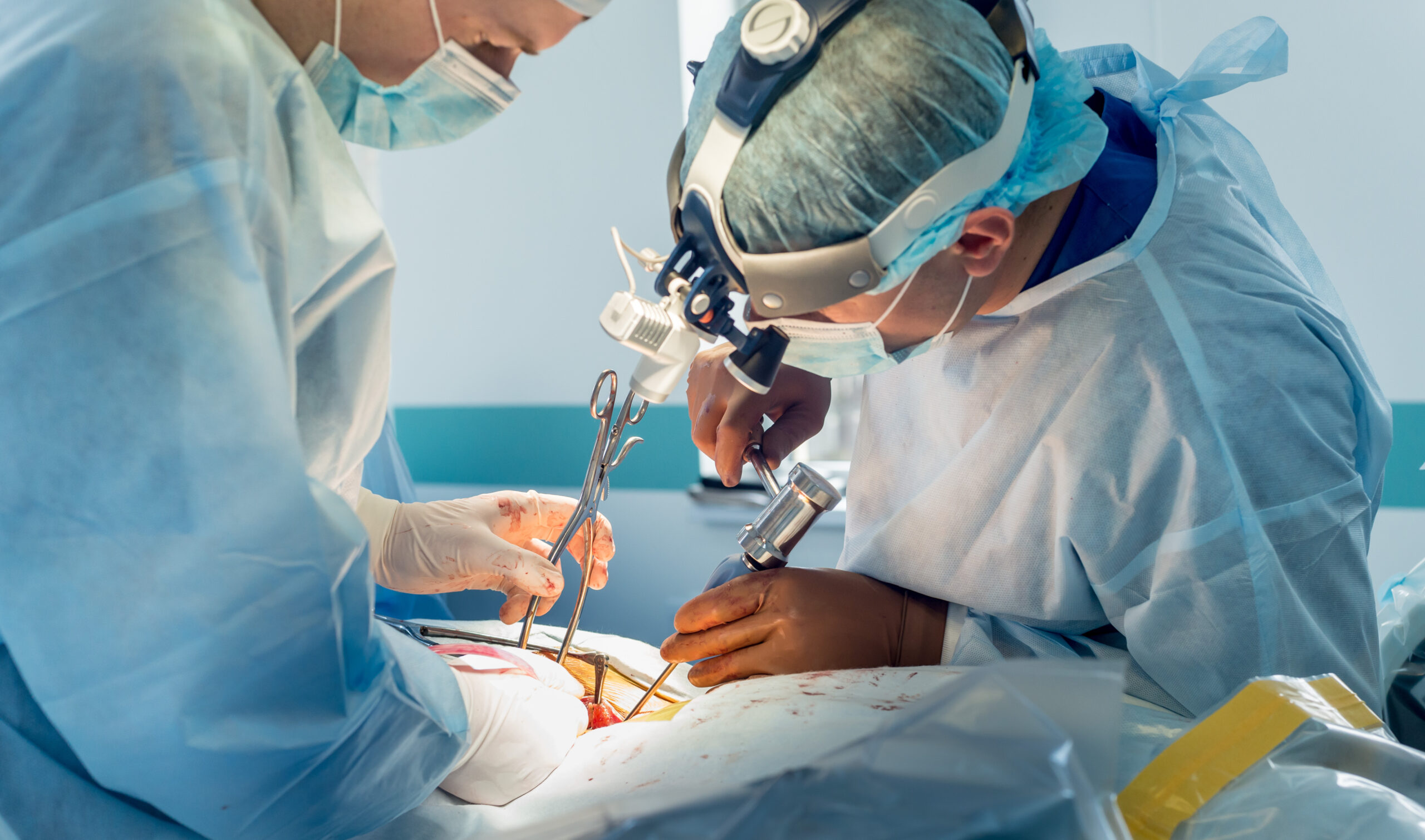
Understanding Pain Flare-Ups After Surgery and How Chiropractors Help
Post-surgical pain flare-ups are a common challenge, often resulting from surgical site irritation, improper wound healing, and muscle tension. Inflammation, while essential for recovery, can become a double-edged sword, complicating healing. Chiropractors offer a holistic, patient-focused approach that addresses these underlying issues non-invasively, emphasizing spinal alignment and nerve health. This exploration into chiropractic care’s role in managing post-operative discomfort opens doors to a more comfortable, effective recovery journey. What lies ahead in this path to healing?
Common Causes of Post-Surgical Pain Flare-Ups
Post-surgical pain flare-ups, though often anticipated, can arise from various underlying factors that require careful consideration. Among the common causes is surgical site irritation, which can result from the body’s natural response to trauma. This irritation may be exacerbated by friction or pressure on the wound, potentially prolonging discomfort. Another significant factor is improper wound healing, which can occur due to infection, inadequate blood supply, or excessive movement of the affected area. Such complications may lead to persistent pain as the body struggles to repair the tissue effectively. A holistic approach to managing these flare-ups emphasizes gentle interventions and a patient-focused strategy, aiming to support the body’s natural healing processes while minimizing invasive treatments whenever possible.
The Impact of Inflammation on Recovery
Inflammation, a natural response to surgical intervention, plays an indispensable role in the healing process but can also contribute to discomfort and prolonged recovery if not effectively managed. By focusing on gentle, patient-centered strategies to control postoperative inflammation, healthcare providers can aid in minimizing pain flare-ups and enhancing overall recovery. Integrating holistic approaches, such as chiropractic care, may offer non-invasive solutions to support the body’s natural healing pathways.
Role of Inflammatory Response
The body’s natural healing process after surgery involves a complex interplay of various biological mechanisms, among which the inflammatory response plays a pivotal role. This response is fundamental for recovery, as it initiates repair and protects against infection through inflammatory signaling. When tissue is damaged, the body releases inflammatory mediators, such as cytokines and prostaglandins, which help orchestrate the healing process. These mediators increase blood flow to the affected area, bringing essential nutrients and immune cells to aid in tissue repair. While this response is necessary, it can also lead to discomfort and pain flare-ups. Understanding the role of inflammation in recovery allows healthcare providers to adopt a holistic approach, ensuring patients receive patient-focused, non-invasive care tailored to their healing journey.
Managing Postoperative Inflammation
Following surgery, the body’s inflammatory response, while necessary for healing, can also lead to significant challenges in recovery due to pain and discomfort. Managing postoperative swelling effectively requires a holistic approach that prioritizes the patient’s overall well-being. Non-invasive methods, such as gentle physical therapies and chiropractic adjustments, can play a pivotal role in balancing the inflammatory response. These practices aim to enhance circulation, reduce stiffness, and promote natural healing without the need for additional medication. Chiropractors often emphasize the importance of personalized care plans tailored to each patient’s unique needs, ensuring that inflammation is kept in check while supporting the body’s natural recovery processes. By focusing on these strategies, patients can experience a smoother, more comfortable postoperative journey.
Muscle Tension and Its Role in Pain Episodes
Muscle tension, often stemming from stress or physical strain, can extensively impact recovery by exacerbating pain episodes after surgery. Addressing this tension requires an all-encompassing approach focused on relaxation techniques and gentle therapeutic interventions, aimed at alleviating discomfort and promoting healing. By integrating practices such as guided stretching and mindfulness, patients may experience reduced tension and improved post-surgery outcomes.
Causes of Muscle Tension
How does muscle tension contribute to the experience of pain, especially after surgery? Muscle tension can exacerbate post-surgical pain by creating additional stress on healing tissues. Several factors can lead to increased muscle tension:
- Sedentary Lifestyle: Prolonged inactivity, common during recovery, can cause muscles to stiffen, leading to discomfort and pain episodes.
- Improper Posture: Poor posture, whether sitting or standing, places undue strain on muscles, prolonging recovery and heightening tension.
- Emotional Stress: Emotional factors such as anxiety and stress can manifest physically, resulting in heightened muscle tension and subsequent pain.
- Compensatory Movements: Patients often unknowingly adjust their movements to avoid pain, which can strain other muscle groups, leading to a cycle of tension and discomfort.
Recognizing these causes helps in adopting a holistic, patient-focused approach to manage post-surgical recovery.
Managing Post-Surgery Tension
What strategies exist to effectively manage muscle tension post-surgery? A holistic approach emphasizes gentle, patient-focused techniques to alleviate postoperative joint stiffness and muscle weakness. Chiropractors often recommend tailored stretching routines to improve flexibility while reducing tension. These exercises can be complemented by guided breathing techniques, promoting relaxation and enhancing circulation. Hydration and balanced nutrition also play pivotal roles in muscle recovery, aiding tissue repair and reducing inflammation. Additionally, non-invasive therapies such as therapeutic massage or acupuncture can provide relief by targeting specific tension points. Mind-body practices, including yoga or tai chi, may further support recovery by fostering body awareness and easing stress. Collectively, these strategies focus on restoring balance and promoting overall well-being in the postoperative healing journey.
Nerve Irritation: A Hidden Culprit
Nerve irritation is often an overlooked factor contributing to post-surgical pain flare-ups. This phenomenon can manifest when compressed nerves or pinched nerves result in discomfort and impede the healing process. A holistic, patient-focused approach emphasizes understanding and alleviating such nerve-related issues non-invasively. Chiropractors play a pivotal role in identifying these hidden culprits and facilitating recovery.
- Assessment and Diagnosis: Chiropractors conduct thorough evaluations to identify areas affected by compressed or pinched nerves.
- Gentle Adjustments: They utilize precise, gentle techniques to relieve pressure on the nerves.
- Therapeutic Exercises: Customized exercises are recommended to support nerve health and enhance mobility.
- Ongoing Monitoring: Regular follow-ups ensure that nerve irritation is managed effectively, promoting ideal healing.
The Importance of Spinal Alignment in Healing
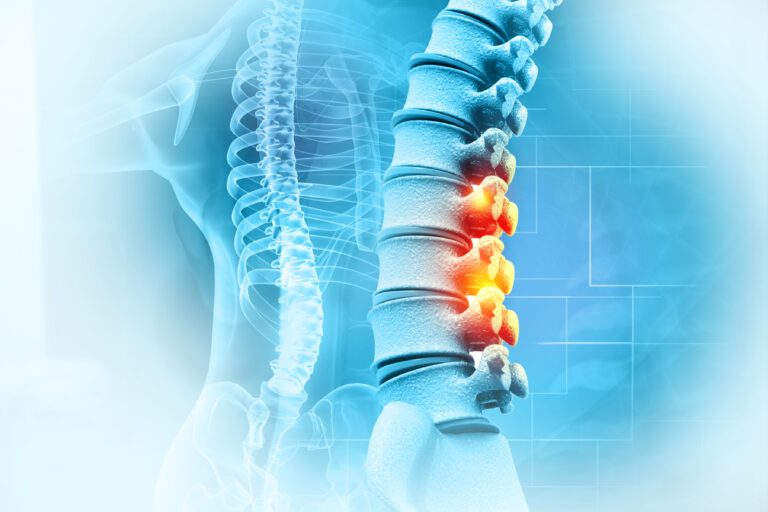
While often underestimated, spinal alignment plays a critical role in the healing process after surgery. A harmonious biomechanical alignment of the spine guarantees that the body functions ideally, promoting effective recovery. Proper spinal curvature is essential as it facilitates even distribution of weight and pressure across the vertebral column, reducing undue stress on muscles and ligaments. This balanced alignment supports the body’s natural healing mechanisms, enhancing overall well-being. Misalignment, conversely, can impede recovery, leading to discomfort or further complications. By prioritizing spinal health, individuals can foster a non-invasive healing environment that aligns with a holistic approach to post-surgical care. Through maintaining proper spinal curvature, patients can experience a smoother, more effective recovery journey, minimizing the risk of pain flare-ups.
How Chiropractic Care Addresses Pain at Its Source
In what ways can chiropractic care target pain at its origin? A holistic approach emphasizes addressing pain by identifying and correcting underlying issues, rather than merely treating symptoms. Chiropractors focus on joint function preservation and spinal stabilization, offering a non-invasive path to healing. They aim to restore balance and enhance the body’s natural healing capabilities. Here are four ways chiropractic care achieves this:
- Spinal Adjustments: Aligning the spine to relieve pressure on nerves and improve joint function.
- Postural Guidance: Educating patients on proper posture to prevent strain and promote spinal stabilization.
- Customized Exercises: Developing patient-specific exercise plans to strengthen supportive muscles and joints.
- Lifestyle Recommendations: Advising on nutrition and ergonomics to support overall wellness and pain reduction.
Techniques Chiropractors Use for Post-Surgical Patients
Chiropractic care’s holistic approach to addressing pain extends to aiding post-surgical patients in their recovery journey. Chiropractors employ a range of non-invasive techniques tailored to support healing and alleviate discomfort. Joint mobilization techniques are central to this care, gently improving joint function and easing stiffness without applying forceful adjustments. By carefully enhancing the range of motion, these methods contribute to holistic recovery. Additionally, soft tissue therapy plays a crucial role in addressing muscular tension and scar tissue that may develop post-surgery. This therapy targets the underlying soft tissues, promoting relaxation and circulation. Together, these techniques work synergistically to foster a nurturing healing environment, allowing patients to experience reduced pain and enhanced recovery without invasive interventions.
Enhancing Mobility and Reducing Discomfort
A key aspect of enhancing mobility and reducing discomfort in post-surgical patients involves the strategic application of tailored chiropractic techniques. Chiropractors employ a holistic approach to improve joint flexibility and optimize range of motion while ensuring patient comfort. These non-invasive techniques focus on:
- Gentle Spinal Adjustments: Carefully realigning the spine to alleviate pressure and enhance mobility.
- Soft Tissue Therapy: Targeting muscles, ligaments, and tendons to reduce tension and improve flexibility.
- Therapeutic Exercises: Customized routines designed to strengthen muscles and enhance joint stability.
- Posture and Ergonomics Guidance: Educating patients on proper posture to prevent future discomfort and support healing.
Through these approaches, chiropractic care plays an indispensable role in aiding recovery and promoting overall well-being in post-surgical patients.
Integrating Chiropractic Care Into Your Recovery Plan
One important step in an extensive recovery plan is the integration of chiropractic care, which can substantially enhance healing following surgery. This approach focuses on realigning the body, fostering a balanced system conducive to recovery. By integrating holistic therapies, chiropractors aim to address the root causes of discomfort, rather than merely alleviating symptoms. With a patient-focused approach, practitioners personalize recovery plans tailored to individual needs, ensuring non-invasive techniques are employed effectively. This personalized care not only aids in reducing pain flare-ups but also promotes overall well-being. Chiropractic care complements traditional medical treatments, offering a comprehensive strategy that supports the body’s natural healing processes. By incorporating these elements, patients experience a smoother, more efficient recovery journey, enhancing their quality of life post-surgery.
Frequently Asked Questions
How Can Stress Impact Pain Levels After Surgery?
Stress can exacerbate pain levels post-surgery through stress induced inflammation and psychological distress. Addressing these factors holistically, with a patient-focused and non-invasive approach, can aid in managing pain and improving overall recovery outcomes.
Are There Nutritional Changes That Can Support Post-Surgical Recovery?
Nutritional changes, including incorporating dietary supplements and consuming nutrient-dense meals, play a pivotal role in post-surgical recovery. This holistic approach guarantees patients receive essential nutrients, supporting healing processes and enhancing overall wellness in a non-invasive manner.
What Role Does Hydration Play in Managing Post-Surgical Pain?
Adequate hydration plays a pivotal role in managing post-surgical pain by supporting bodily functions, reducing inflammation, and promoting healing. Proper hydration aids in detoxification processes and guarantees efficient nutrient transport, contributing to a holistic, non-invasive recovery approach.
Can Mental Health Affect Physical Pain After Surgery?
Mental state influences postoperative recovery, as emotional wellbeing impacts physical pain levels. A holistic approach prioritizing mental health can enhance healing by addressing anxiety and stress, consequently promoting a non-invasive, patient-focused strategy for managing pain after surgery.
How Does Sleep Quality Influence Recovery From Surgery?
Sleep duration and consistent sleep patterns play indispensable roles in surgical recovery. Proper rest enhances healing by reducing inflammation and stress, promoting a holistic, patient-focused approach to recovery that emphasizes non-invasive methods for ideal outcomes.