Managing Chronic Pain After Laminectomy With Chiropractic Techniques
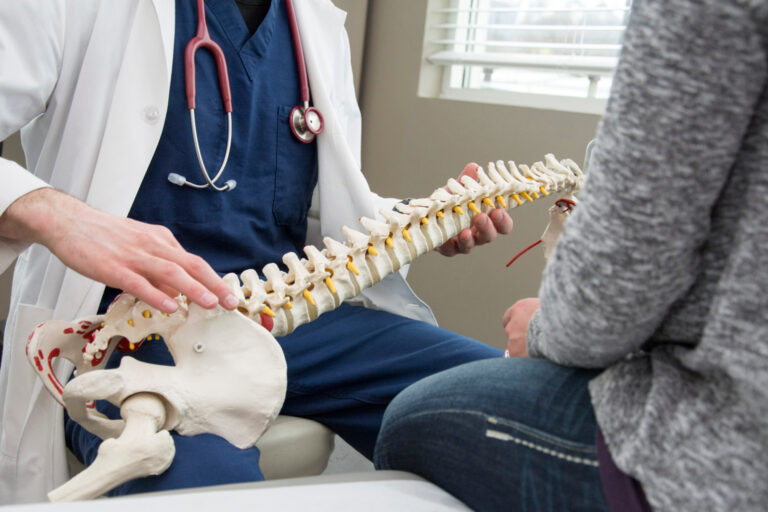
Recovering from a laminectomy can leave individuals grappling with persistent pain. Chiropractic techniques offer a holistic, patient-centered approach to managing such discomfort. By focusing on spinal adjustments and soft tissue therapies, chiropractors aim to restore alignment, alleviate nerve pressure, and enhance mobility. This evidence-based care may reduce dependency on medication and empower patients in their recovery journey. Could chiropractic care be the key to a more fulfilling post-operative life?
Understanding Laminectomy and Its Aftermath
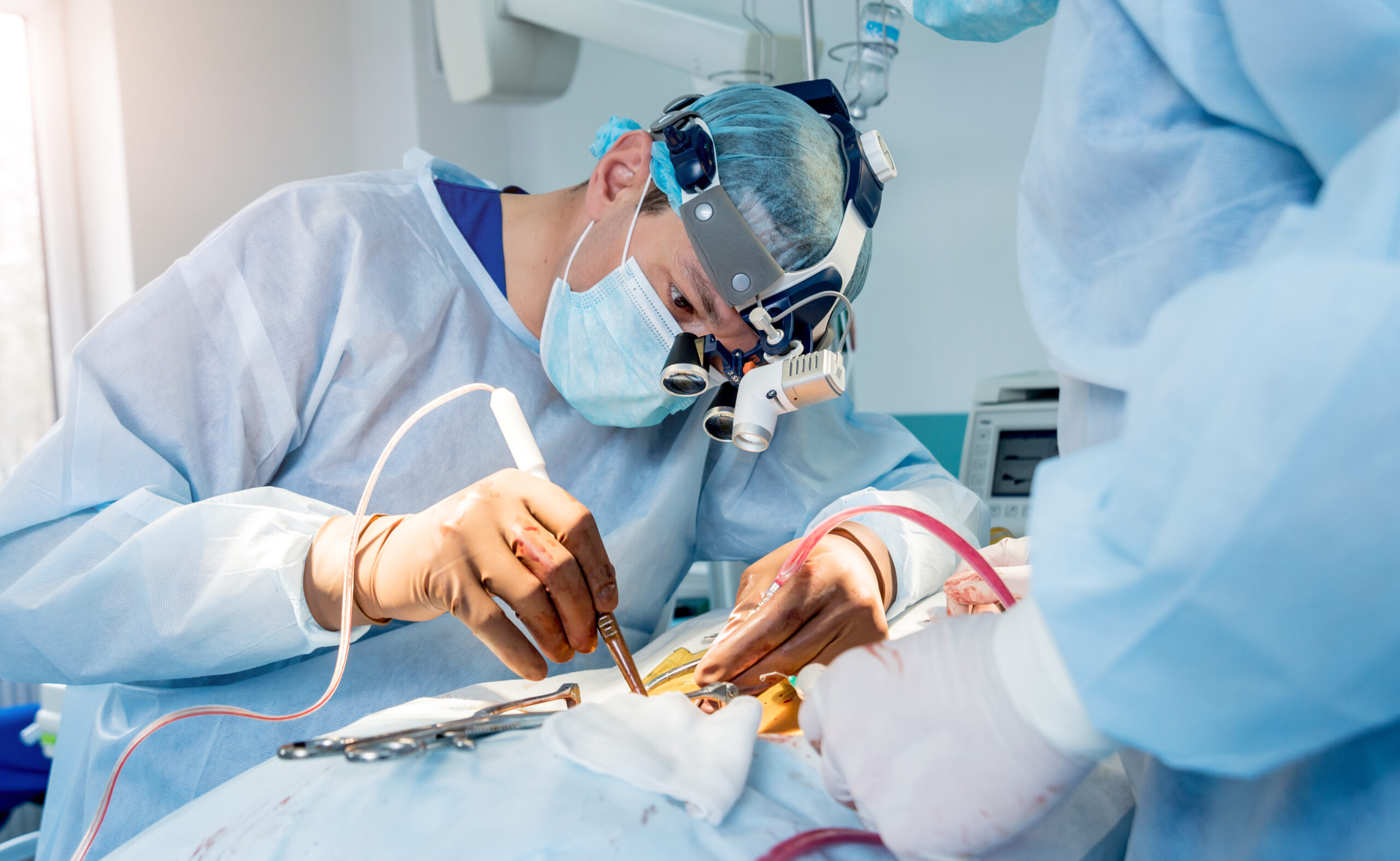
Laminectomy, a surgical procedure aimed at relieving pressure on the spinal cord or nerves, often involves the removal of the lamina, the back part of a vertebra covering the spinal canal. This operation, while beneficial for alleviating nerve compression, carries potential post operative complications that patients must be aware of. These include infection, bleeding, and wound healing issues, all of which can impact surgical site recovery. A holistic, patient-centered approach emphasizes monitoring these risks to guarantee a smooth recovery process. Evidence-based strategies, such as personalized rehabilitation plans, are pivotal for optimizing outcomes. Patients are encouraged to actively engage in their recovery process, with careful attention to their body’s healing signals and professional guidance, fostering an extensive path to recovery.
The Role of Chiropractic Care in Post-Surgical Recovery
How can chiropractic care contribute to the complex journey of post-surgical recovery? Chiropractic care can play a significant role in enhancing recovery after a laminectomy by offering a holistic, patient-centered approach. It emphasizes individualized postural recommendations and muscle strengthening exercises tailored to the patient’s needs. By focusing on these aspects, chiropractic care aims to improve spinal alignment and promote overall musculoskeletal health. Evidence-based practices guide chiropractors in developing personalized plans that support tissue healing and functional restoration. These plans can help in managing pain and improving mobility, making them an integral component of a thorough post-surgical recovery strategy. Utilizing conservative techniques, chiropractic care endeavors to optimize recovery outcomes and support long-term well-being for individuals recovering from spinal surgery.
Exploring Different Chiropractic Techniques
When addressing chronic pain following a laminectomy, various chiropractic techniques can offer a multifaceted approach to recovery. Spinal adjustments are often highlighted for their potential to realign the vertebrae, which may alleviate nerve pressure and improve overall spinal health. Additionally, soft tissue therapy and targeted pain management strategies are integral components, providing patients with extensive support tailored to their unique post-surgical needs.
Spinal Adjustment Benefits
Often overlooked in the domain of post-operative care, spinal adjustment through chiropractic techniques can provide significant relief for patients experiencing chronic pain after a laminectomy. By employing spinal alignment techniques, chiropractors aim to restore the natural curvature and positioning of the spine, which may be disrupted post-surgery. This approach not only addresses misalignments but also contributes to an improved range of motion, enhancing the patient’s overall mobility and quality of life. Evidence-based studies suggest that spinal adjustments can help reduce inflammation and alleviate pressure on affected nerves, fostering a holistic healing process. The patient-centered nature of chiropractic care guarantees that individual needs and conditions are respected, allowing for tailored interventions that prioritize long-term health and well-being.
Soft Tissue Therapy
Soft tissue therapy, a pivotal component of chiropractic care, offers a holistic approach to managing chronic pain following a laminectomy. This patient-centered technique focuses on alleviating discomfort by addressing muscle and fascia imbalances. Myofascial release is a key method used to target tightness and improve mobility, promoting overall wellness. This evidence-based approach involves gentle, sustained pressure on the affected areas, facilitating the release of tension and enhancing circulation. Additionally, instrument assisted soft tissue techniques are employed to effectively break down scar tissue and improve tissue function. By utilizing specialized tools, chiropractors can precisely target problematic areas, optimizing recovery. These techniques collectively support the body’s natural healing processes, reducing pain and improving quality of life for post-laminectomy patients.
Pain Management Strategies
Building upon the foundation of soft tissue therapy, the domain of chiropractic care offers a diverse array of pain management strategies tailored for individuals experiencing chronic pain after a laminectomy. Chiropractic techniques emphasize a holistic approach, integrating spinal adjustments, and complementary therapies such as acupuncture and massage, to guarantee healing and recovery. These strategies are patient-centered, focusing on the unique needs and conditions of each individual. By addressing the root causes of discomfort, chiropractors aim to reduce reliance on medication management, thereby minimizing potential side effects. Evidence-based practices verify that care is both effective and safe, promoting long-term well-being. Through a combination of manual therapies and lifestyle guidance, chiropractic care supports sustainable pain relief and functional improvement post-laminectomy.
How Chiropractic Adjustments Aid in Pain Relief
How do chiropractic adjustments serve as a beacon of hope for those grappling with chronic pain post-laminectomy? Through a holistic approach, chiropractic care addresses the root causes of discomfort, providing a non-invasive, patient-centered pathway to relief. Spinal decompression techniques play a pivotal role, gently alleviating pressure on spinal nerves and promoting healing. These methods, combined with joint mobilization exercises, enhance joint function and reduce stiffness, essential for individuals recovering from laminectomy. Evidence-based practices emphasize the importance of personalized treatment plans tailored to the unique needs of each patient. By focusing on the whole person rather than just symptoms, chiropractic adjustments offer a promising avenue for diminishing pain, fostering improved quality of life for those enduring chronic pain post-surgery.
Enhancing Mobility Through Spinal Alignment
Enhancing mobility through proper spinal alignment plays a pivotal role in alleviating chronic pain post-laminectomy. Evidence-based techniques such as chiropractic adjustments focus on optimizing spinal mobility, which can lead to improved function and reduced discomfort. By prioritizing patient-centered care, practitioners aim to tailor these interventions to individual needs, promoting better alignment and overall well-being.
Benefits of Proper Alignment
Proper alignment of the spine serves as a cornerstone for enhancing mobility and alleviating discomfort following a laminectomy. Achieving proper spine positioning can substantially improve patient outcomes by fostering balanced muscle engagement and reducing undue stress on surrounding tissues. The benefits of proper alignment include:
- Enhanced Flexibility: Proper spine positioning facilitates smoother movement, allowing patients to regain more natural mobility post-surgery.
- Pain Reduction: By minimizing nerve compression and muscle strain, balanced muscle engagement encourages a reduction in chronic pain symptoms.
- Improved Posture: Consistent alignment supports better posture, preventing compensatory habits that may exacerbate discomfort.
This patient-centered, evidence-based approach emphasizes the importance of alignment in promoting overall well-being, offering a holistic pathway to recovery and improved quality of life.
Techniques for Spinal Mobility
What methods can be employed to enhance spinal mobility through alignment, particularly following a laminectomy? A holistic, patient-centered approach emphasizes evidence-based techniques to improve spinal health. Spinal range of motion exercises are vital. These exercises gently promote flexibility and mobility, targeting areas affected by surgery. Incorporating core muscle strengthening is equally important. Strengthening these muscles supports spinal alignment, reducing strain and potential pain. Programs designed to integrate both exercises can greatly improve post-laminectomy recovery. Patients benefit from tailored routines that consider individual needs and limitations, guaranteeing safety and effectiveness. Monitoring progress and adjusting exercises as needed ensures ideal results. A focused approach on both mobility and strength fosters enhanced spinal function, facilitating a smoother recovery process.
Chiropractic Adjustments Explained
Chiropractic adjustments play a consequential role in enhancing mobility through spinal alignment, particularly for individuals recovering from a laminectomy. By employing chiropractic adjustment techniques, practitioners aim to restore proper function and alleviate discomfort. Manual spinal manipulation is crucial in this process, focusing on:
- Realignment of Vertebrae: Correcting misalignments helps reduce nerve irritation and promotes healing.
- Improvement of Range of Motion: Techniques that enhance flexibility and movement facilitate everyday activities, necessary for recovery.
- Pain Reduction: Targeted adjustments can decrease chronic pain, improving quality of life.
Evidence-based practices guarantee these techniques are tailored to individual needs, fostering a patient-centered approach. By integrating holistic principles and careful assessment, chiropractors contribute meaningfully to the rehabilitation process, promoting long-term wellness and function post-laminectomy.
Addressing Inflammation and Promoting Healing
When addressing inflammation and promoting healing after a laminectomy, it is pivotal to take into account a thorough approach that integrates both conventional and alternative strategies. Rehabilitative exercises play a significant role in reducing inflammation and enhancing recovery. These exercises should be tailored to the individual’s needs, focusing on restoring mobility and strength while minimizing pain. In addition to physical therapy, dietary modifications are essential for mitigating inflammation. An anti-inflammatory diet rich in omega-3 fatty acids, antioxidants, and phytonutrients can support the healing process. Incorporating foods such as leafy greens, nuts, and fatty fish may help reduce inflammatory markers. This comprehensive, patient-centered approach guarantees that both the physical and nutritional aspects of recovery are addressed, fostering ideal healing outcomes post-laminectomy.
Integrating Chiropractic Care Into a Pain Management Plan
A multifaceted approach to pain management often includes integrating chiropractic care, which can be a valuable component in addressing chronic pain after a laminectomy. This approach emphasizes post operative rehabilitation and lifestyle modifications, providing a holistic, patient-centered framework. Evidence suggests that chiropractic techniques can enhance recovery outcomes while reducing reliance on medication. Key components include:
- Spinal Adjustments: Realigning the spine may alleviate pressure on nerves, potentially reducing pain.
- Therapeutic Exercises: Tailored exercises can support post operative rehabilitation, improve flexibility, and restore function.
- Lifestyle Modifications: Encouraging healthy habits, such as ergonomics and nutrition, supports long-term pain management and overall well-being.
Case Studies and Patient Experiences
Exploring the real-world application of integrating chiropractic care into pain management plans reveals valuable insights through patient experiences and case studies. Patient testimonials frequently highlight the positive impact chiropractic techniques have on their recovery journeys following a laminectomy. These narratives often describe a holistic approach to care, emphasizing non-invasive methods that complement traditional medical treatments.
One case study documented a patient who experienced significant pain reduction and improved mobility after regular chiropractic sessions. This evidence-based approach underscores the importance of individualized care, allowing patients to actively participate in their recovery process. Such experiences showcase the potential of chiropractic care to enhance overall well-being and quality of life. Collectively, these accounts provide a compelling narrative of hope and healing for individuals managing chronic pain.
Tips for Choosing the Right Chiropractor
Choosing the right chiropractor can profoundly influence a patient’s recovery journey, so how does one make an informed decision? A patient-centered, evidence-based approach is essential.
- Evaluate Chiropractor Credentials: Verify licenses and certifications to guarantee the practitioner meets professional standards. This validation secures safety and competence in handling post-laminectomy care.
- Compare Treatment Approaches: Different chiropractors may employ varying techniques. Understanding these methods can help patients select a practitioner whose approach aligns with their personal health beliefs and needs.
- Review Patient Feedback: Testimonials and reviews can provide insights into the chiropractor’s effectiveness and patient satisfaction.
A holistic strategy in choosing a chiropractor can enhance recovery and contribute to long-term well-being.
Frequently Asked Questions
Are There Any Risks Associated With Chiropractic Care After Laminectomy?
Potential complications can arise with chiropractic care post-laminectomy, necessitating careful patient selection. A holistic, patient-centered, evidence-based approach guarantees safety by evaluating individual health profiles, consequently minimizing risks and fostering ideal recovery for each unique case.
How Soon After Laminectomy Can I Start Chiropractic Treatments?
The rehabilitative timeline for initiating chiropractic treatments post-laminectomy depends on individual surgical recovery factors. An evidence-based, patient-centered approach suggests consulting healthcare professionals to tailor a holistic plan, ensuring safe integration into the patient’s recovery process.
Can Chiropractic Care Replace Traditional Pain Medications Post-Surgery?
Chiropractic care can be considered as part of an alternative pain management strategy post-surgery. While conservative care approaches offer benefits, they should complement, rather than replace, traditional pain medications in a holistic, patient-centered, evidence-based regimen.
What Signs Indicate Chiropractic Care Is Improving My Chronic Pain?
Improvement in chronic pain is evidenced by increased mobility and reduced inflammation. Patients may notice enhanced daily activities and decreased reliance on pain medications, aligning with a holistic, patient-centered, and evidence-based approach to recovery.
Will Insurance Cover Chiropractic Treatments Post-Laminectomy?
Insurance coverage for chiropractic treatments post-laminectomy often depends on policy coverage limitations and pre-authorization requirements. Patients are advised to consult their insurers to guarantee a holistic approach that aligns with patient-centered and evidence-based care practices.