How Chiropractic and Physical Therapy Differ in Treating Scoliosis
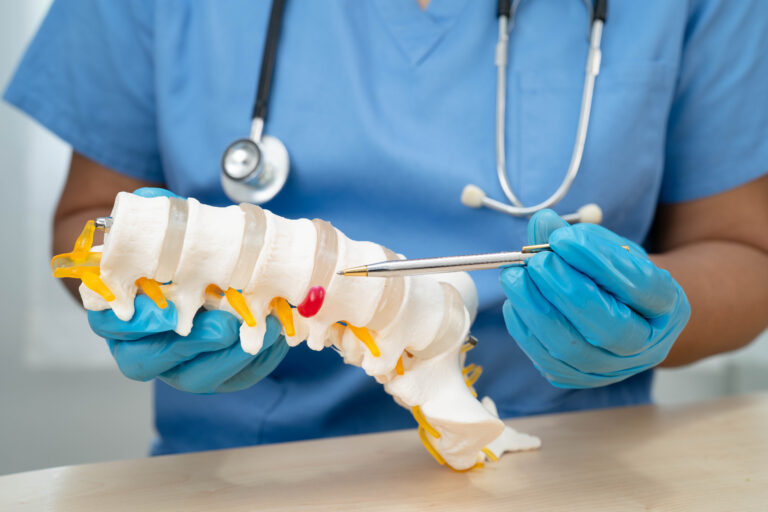
Scoliosis, a condition characterized by an abnormal curvature of the spine, can be addressed through both chiropractic and physical therapy, each with distinct philosophies. Chiropractic care centers on achieving spinal alignment and facilitating natural healing through manual adjustments. In contrast, physical therapy emphasizes muscle strengthening and posture improvement. These differing approaches highlight unique pathways to enhancing spinal health and overall well-being, prompting further exploration of their effectiveness and integration.
Understanding Scoliosis and Its Impact on the Body
Scoliosis, a condition characterized by an abnormal lateral curvature of the spine, markedly impacts the body’s overall alignment and function. This misalignment can lead to a range of scoliosis symptoms, such as uneven shoulders, an imbalanced waist, or one hip appearing higher than the other. These physical manifestations disrupt body mechanics, altering the natural flow and balance essential for ideal movement and posture. The spine’s curvature can exert undue pressure on muscles, ligaments, and organs, potentially affecting respiratory and digestive functions. In seeking a holistic approach, it is crucial to evaluate the body’s innate ability to heal and restore balance. By understanding scoliosis and its effects, individuals can explore natural healing pathways, focusing on enhancing spinal alignment and overall well-being.
Chiropractic Approach to Scoliosis Treatment
The chiropractic approach to scoliosis treatment emphasizes the importance of spinal alignment techniques as a pathway to holistic health. By focusing on manual adjustments, chiropractors aim to support the body’s natural healing processes and improve overall well-being. These techniques are designed to address the root causes of spinal imbalances, promoting a more harmonious physical state.
Spinal Alignment Techniques
Many individuals seeking a holistic approach to scoliosis management turn to chiropractic care for its emphasis on spinal alignment techniques. Chiropractors utilize spinal curvature assessment to evaluate the specific misalignments within the spine. This detailed evaluation allows for the development of personalized alignment correction techniques aimed at naturally restoring balance. The focus is on gentle adjustments to realign vertebrae, which may ease discomfort and promote natural healing pathways within the body. These adjustments are performed using precise, controlled movements, fostering improved posture and potentially reducing the progression of scoliosis. By addressing the root cause of spinal misalignment, chiropractic care offers a non-invasive avenue for individuals seeking to enhance their spinal health and overall well-being through a natural, holistic approach.
Holistic Health Focus
Incorporating a holistic health focus, chiropractic care for scoliosis emphasizes the body’s innate ability to heal itself when properly aligned. This approach advocates for the natural healing processes within the body, promoting an overall sense of holistic wellness. By addressing spinal misalignments, chiropractors aim to enhance the body’s capacity to correct imbalances, potentially reducing the severity of scoliosis. The treatment philosophy centers around understanding the interconnectedness of bodily systems, recognizing that spinal health plays a critical role in overall wellness. Rather than solely focusing on the spinal curvature, chiropractic care considers the individual’s entire lifestyle, including nutrition, exercise, and stress management. Through this extensive perspective, chiropractic care seeks to support the body’s natural healing mechanisms, fostering a balanced and harmonious state of well-being.
Manual Adjustment Benefits
Fostering a holistic approach to scoliosis treatment, manual adjustments in chiropractic care focus on spinal alignment to promote natural healing. By employing manual therapy, chiropractors aim to enhance spinal mobility, which can be a vital component in addressing the curvature associated with scoliosis. This method involves precise adjustments to the vertebrae, seeking to correct misalignments and improve overall posture. As spinal mobility increases, there is potential for reduced discomfort and improved function, fostering a more balanced musculoskeletal system. The approach emphasizes the body’s innate ability to heal itself when given the right conditions, making manual adjustments a gentle yet impactful intervention. This chiropractic method is aimed at not only alleviating symptoms but also at encouraging long-term spinal health and functionality.
Key Techniques Used in Chiropractic Care
Chiropractic care employs several key techniques to promote spinal alignment and support natural healing in individuals with scoliosis. Central to this approach is the subluxation theory, which postulates that misalignments in the spine can impede the body’s innate healing processes. Chiropractors aim to correct these subluxations through precise spinal manipulation, a technique designed to enhance joint mobility and restore ideal alignment. This manipulation is performed using controlled, gentle force, targeting specific areas of the spine to alleviate pressure and improve function. By addressing these misalignments, chiropractic care seeks to not only reduce discomfort but also encourage the body’s natural healing capabilities. The holistic approach adopted by chiropractors emphasizes the interconnectedness of the body, aiming to foster overall well-being and balance.
Physical Therapy Approach to Scoliosis Management
Physical therapy offers a thorough approach to scoliosis management, focusing on enhancing spinal alignment and promoting the body’s natural healing mechanisms. By emphasizing a holistic approach, therapists work to improve posture and reduce discomfort. Central to this method are exercise modifications tailored to each individual’s unique spinal curvature. These personalized adjustments aim to strengthen core muscles, increase flexibility, and support correct alignment. In addition to physical interventions, patient education plays a critical role. Educating patients about the nature of scoliosis and the importance of maintaining an active lifestyle empowers them to be proactive in their treatment. This knowledge fosters long-term adherence to exercises, enhancing overall well-being and potentially mitigating the progression of scoliosis. Through these strategies, physical therapy supports a balanced and informed path to spinal health.
Essential Physical Therapy Exercises for Scoliosis
Building upon the holistic approach emphasized in physical therapy for scoliosis management, a specific set of exercises plays a significant role in maintaining spinal health. These scoliosis exercises focus on enhancing core strengthening to promote natural spinal alignment and stability. By engaging the deep core muscles, individuals can foster a supportive framework for the spine, which aids in minimizing the curvature associated with scoliosis. Plank variations, targeted stretching, and pelvic tilts are integral to this regimen, encouraging balance and flexibility. Additionally, exercises such as bird-dog and side-lying leg lifts enhance muscular endurance and symmetry. This focused approach not only supports spinal health but also contributes to overall well-being, empowering individuals on their journey towards holistic healing and improved posture.
Comparing Goals: Chiropractic vs. Physical Therapy
Chiropractic care emphasizes realigning the spine to facilitate the body’s natural healing processes, aiming to restore balance and harmony within the musculoskeletal system. In contrast, physical therapy focuses on strengthening the muscles surrounding the spine to support improved posture and function, fostering resilience and stability in everyday activities. Both approaches share a holistic commitment to enhancing overall well-being, yet they pursue distinct paths to manage scoliosis effectively.
Chiropractic Alignment Focus
In the pursuit of holistic spinal health, chiropractic care emphasizes the alignment of the spine as a foundation for natural healing. Focused on chiropractic ideology, practitioners aim to correct spinal misalignments to enhance the body’s innate ability to heal itself. This approach, known as spinal correction, involves gentle manipulations to restore proper vertebral alignment, consequently reducing nerve interference and promoting overall well-being. The chiropractic philosophy is rooted in the belief that a well-aligned spine is essential for ideal health, allowing energy to flow freely throughout the body. By prioritizing spinal alignment, chiropractors seek to alleviate discomfort and improve function, which can be particularly beneficial for individuals with scoliosis, offering a non-invasive pathway to achieving balance and harmony within the body’s structure.
Physical Therapy Strengthening Goals
Physical therapy embraces the dynamic art of strengthening and functional rehabilitation for individuals with scoliosis. This approach emphasizes a harmonious blend of strength training and flexibility exercises to promote spinal alignment and natural healing. The primary goal is to enhance muscular support around the spine, improving both posture and function. By integrating strength training, therapists aim to fortify core muscles, which play a pivotal role in stabilizing the spine and reducing curvature progression. Flexibility exercises complement this by increasing range of motion, thereby alleviating tension and fostering a balanced musculoskeletal structure. This holistic strategy seeks not only to correct physical imbalances but also to empower individuals, encouraging active participation in their own healing journey and promoting overall well-being.
Patient Outcomes and Success Rates
Many patients with scoliosis seek holistic treatments that prioritize natural healing and spinal alignment, with both chiropractic and physical therapy offering distinct pathways to improvement. Chiropractic care often aims to enhance patient satisfaction by focusing on spinal adjustments that improve alignment, potentially leading to reduced discomfort and increased mobility. Treatment effectiveness in chiropractic is gauged by the degree to which spinal curvature is managed and symptoms are alleviated. In contrast, physical therapy emphasizes exercise-based interventions to strengthen the supporting muscles, which can lead to improved posture and functional outcomes. Success rates in physical therapy are often measured by the enhancement of muscular balance and overall flexibility. Both methods contribute uniquely to scoliosis management, promoting natural healing and long-term health benefits.
Choosing Between Chiropractic and Physical Therapy
As patients explore options for managing scoliosis, the decision between chiropractic care and physical therapy becomes significant in their journey towards holistic well-being. Chiropractic benefits often focus on spinal alignment, aiming to naturally enhance the body’s healing abilities. This approach can offer relief from discomfort and promote overall spinal health. On the other hand, physical therapy considerations emphasize strengthening and flexibility exercises tailored to improve posture and reduce curvature. This method supports long-term management of scoliosis by enhancing muscular support around the spine. Each approach offers unique advantages, and the choice may depend on individual health needs and personal preferences. Ultimately, a thoughtful decision requires evaluating how each modality aligns with one’s goals for natural healing and maintaining spinal integrity.
Integrating Chiropractic and Physical Therapy for Optimal Results
While exploring holistic approaches to scoliosis management, integrating chiropractic care with physical therapy can offer a thorough strategy for enhancing spinal alignment and promoting natural healing. This collaborative care approach utilizes the strengths of both disciplines. Chiropractic adjustments focus on correcting misalignments, while physical therapy emphasizes strengthening muscles to support the spine. Together, they create a treatment synergy that addresses both structural and muscular components of scoliosis. By combining these methods, patients may experience improved posture and reduced curvature progression. Regular assessments guarantee that the collaborative care plan remains dynamic and responsive to the patient’s needs. The integration of these therapies not only promotes spinal health but also encourages the body’s innate ability to heal, fostering long-term wellness.
Frequently Asked Questions
What Is the Typical Cost Difference Between Chiropractic and Physical Therapy for Scoliosis?
The cost comparison between chiropractic and physical therapy for scoliosis treatment varies widely. Chiropractic often emphasizes spinal alignment and natural healing, potentially offering more affordable sessions. Meanwhile, physical therapy’s holistic approach may involve higher costs due to extensive care.
Are There Any Age Restrictions for Scoliosis Treatment Through Chiropractic or Physical Therapy?
When considering age considerations for scoliosis treatment eligibility, both chiropractic and physical therapy offer holistic approaches. Emphasizing natural healing and spinal alignment, these therapies generally accommodate diverse age groups, focusing on personalized treatment plans to optimize outcomes.
How Long Does a Typical Session Last for Both Chiropractic and Physical Therapy Treatments?
A typical session duration for chiropractic treatment ranges from 15 to 30 minutes, focusing on spinal alignment. Physical therapy sessions may last 30 to 60 minutes, emphasizing a holistic approach and natural healing, with varied treatment frequency.
Do Chiropractic or Physical Therapy Treatments for Scoliosis Require a Doctor’s Referral?
For scoliosis, treatment accessibility often depends on the referral process. Chiropractic care may not need a referral, promoting natural healing and spinal alignment. Physical therapy typically requires a doctor’s referral, emphasizing a holistic approach to rehabilitation.
Are There Any Known Side Effects From Chiropractic or Physical Therapy for Scoliosis?
Chiropractic side effects may include temporary discomfort as the body adjusts to spinal alignment, while physical therapy risks are minimal, focusing on natural healing. Both approaches adopt a holistic approach, promoting balance and improved function in scoliosis management.