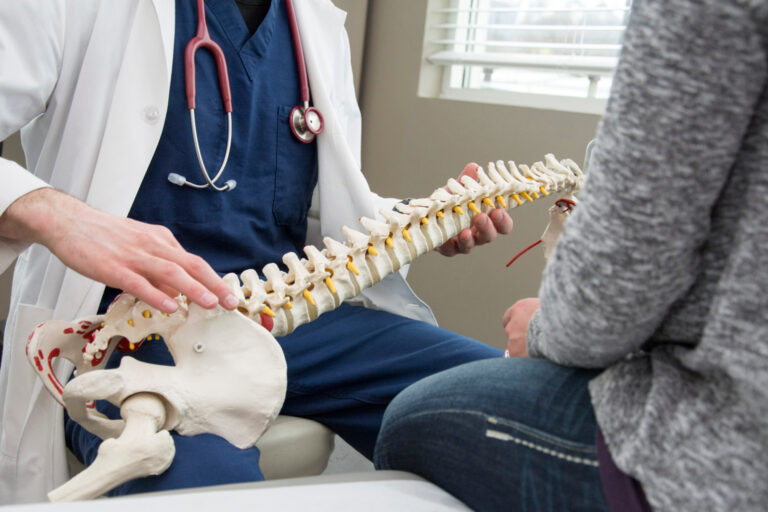

Chiropractic Treatment Plans for Patients With a History of Spine Surgery
Chiropractic treatment for patients with a history of spine surgery requires a strategic and individualized approach. Understanding the patient’s surgical background and current spinal health is paramount. This guarantees that chiropractic interventions, such as gentle mobilizations and spinal decompression, are safely tailored to enhance recovery and manage pain. Effective communication with the surgical team and educating the patient are crucial components. But how does one confirm these plans are both safe and effective?
Understanding the Patient’s Surgical History
A detailed understanding of a patient’s surgical history is critical in designing effective chiropractic treatment plans for those who have undergone spine surgery. Comprehensive evaluation includes reviewing pre-existing conditions that may influence treatment outcomes. Such conditions can exacerbate post-surgical discomfort or slow recovery, necessitating tailored chiropractic interventions. Additionally, recognizing potential surgical complications is crucial. Complications such as scar tissue formation or hardware installation can impact spinal biomechanics, requiring specific adjustments in chiropractic practices. Evidence-based approaches dictate that chiropractors meticulously analyze surgical reports and collaborate with surgical teams to guarantee a holistic understanding of the patient’s history. This patient-focused strategy ensures that chiropractic care is safe and effective, aligning therapeutic goals with the unique needs of individuals recovering from spine surgery.
Assessing the Current State of Spinal Health
Following a detailed review of the patient’s surgical history, the next step involves a thorough assessment of their current spinal health. This process begins with a spinal alignment assessment to identify any deviations or abnormalities that may have developed post-surgery. Precise evaluation techniques, such as radiographic imaging, are employed to ensure an accurate understanding of vertebral alignment. Concurrently, post operative scar tissue evaluation is indispensable. Scar tissue can impact mobility and potentially cause pain, necessitating careful palpation and visual examination. These assessments provide vital insights into the mechanical functionality and structural integrity of the spine. The gathered data informs the development of a tailored chiropractic treatment plan, prioritizing patient-specific needs and promoting ideal spinal function post-surgery.
Identifying Potential Benefits of Chiropractic Care
Chiropractic care offers a non-invasive approach that may enhance pain management strategies for patients with a history of spine surgery. Evidence suggests that targeted spinal adjustments can improve mobility and functional outcomes, potentially reducing reliance on pharmacological interventions. By focusing on individualized treatment plans, chiropractic care aims to optimize the quality of life for post-surgical patients through careful assessment and tailored therapeutic techniques.
Pain Management Strategies
Exploring the potential benefits of chiropractic care for pain management in patients with a history of spine surgery reveals a nuanced approach that may complement conventional medical treatments. Chiropractic care can play an essential role in an integrative approach, enhancing overall pain management strategies by potentially reducing reliance on pharmacological interventions. This aligns with patient-centered goals of optimizing medication management and minimizing adverse effects associated with long-term medication use. Evidence suggests that chiropractic techniques, such as spinal manipulation and soft tissue therapies, may provide supplementary relief and improve patient-reported outcomes. The integration of chiropractic care into a multidisciplinary treatment plan can consequently offer a holistic avenue for managing chronic pain, emphasizing personalized treatment adaptations in accordance with individual patient needs and surgical histories.
Mobility and Function Improvement
In the pursuit of enhancing mobility and function in patients with a history of spine surgery, chiropractic care may offer notable benefits. Evidence suggests that targeted chiropractic adjustments can improve the range of motion in affected spinal segments, facilitating enhanced functional capacity. By incorporating proprioceptive training, chiropractors aim to refine the body’s ability to perceive and respond to positional changes, which is critical for maintaining balance and coordination post-surgery. Proprioceptive exercises, combined with spinal manipulation, may lead to more substantial improvements in overall mobility. This patient-focused approach emphasizes individualized treatment plans that consider the unique anatomical and physiological challenges faced by postoperative patients. Consequently, chiropractic care holds promise as a complementary modality to support recovery and enhance quality of life.
Developing a Customized Treatment Plan
When crafting a customized treatment plan for patients with a history of spine surgery, it is essential to ponder their unique medical backgrounds and specific needs. A thorough assessment is pivotal, encompassing patient history, current symptoms, and prior surgical interventions. Patient education serves as a cornerstone, ensuring individuals understand their condition and the rationale behind each component of the plan. Treatment modifications should be evidence-based, focusing on gradual progress to avoid exacerbating existing issues. This includes adapting techniques to accommodate surgical alterations and any residual anatomical changes. Collaboration with other healthcare providers may be necessary to optimize outcomes. By prioritizing patient-specific factors, chiropractors can develop effective, tailored strategies that enhance recovery while minimizing risks associated with post-surgical spinal care.
Techniques for Safe Chiropractic Adjustments
Effective chiropractic care for patients with a history of spine surgery necessitates a thorough post-surgery spine assessment to identify the specific anatomical and physiological changes. Customized adjustment techniques should be employed to accommodate the altered spinal architecture and safeguard patient well-being. Evidence-based protocols and meticulous evaluation of the surgical site are essential to avoid exacerbating prior conditions and to foster ideal healing and functionality.
Post-Surgery Spine Assessment
Although patients with a history of spine surgery present unique challenges for chiropractors, a thorough post-surgery spine assessment is indispensable for ensuring safe adjustments. This assessment focuses on evaluating post surgical spinal alignment and identifying deviations that might affect treatment plans. Utilizing imaging modalities, such as X-rays or MRIs, allows chiropractors to visualize structural changes and assess the integrity of the spinal column. Additionally, understanding post operative rehabilitative goals is pivotal for aligning chiropractic care with the patient’s recovery objectives. A detailed assessment also involves evaluating the range of motion and identifying any residual pain or functional limitations. This approach guarantees that chiropractic interventions are tailored to enhance healing while minimizing the risk of complications for post-surgical patients.
Customized Adjustment Techniques
Incorporating customized adjustment techniques is indispensable for ensuring safe chiropractic care for patients with a history of spine surgery. Tailoring interventions to individual needs is essential, focusing on patient safety and therapeutic efficacy. Joint mobilization techniques are often employed, providing gentle and controlled movements to enhance joint function without compromising surgical sites. These techniques aim to increase range of motion while minimizing the risk of exacerbating previous surgical interventions. Additionally, spinal decompression strategies can be integrated into treatment plans to alleviate pressure on spinal structures and improve overall spinal health. Evidence supports the use of these techniques in promoting recovery and enhancing patient outcomes. Ensuring modifications and adjustments are specific to each patient’s surgical history is indispensable for delivering effective, safe chiropractic care.
Addressing Patient Concerns and Fears
Patients with a history of spine surgery often experience a multitude of concerns and fears when considering chiropractic treatment. Addressing these apprehensions is vital for effective care. Managing patient expectations and addressing emotional concerns involves a structured approach:
- Patient Education: Providing evidence-based information on chiropractic methods helps demystify the process and builds trust.
- Personalized Consultations: Understanding individual fears and surgical history allows chiropractors to tailor treatment plans that align with patient needs.
- Clear Communication: Open dialogue about potential outcomes and limitations fosters realistic expectations and reduces anxiety.
- Support Systems: Encouraging support from family or peer groups can aid in emotional reassurance, enhancing patient confidence.
Monitoring Progress and Adjusting the Plan
Effective monitoring of progress and timely adjustments to the treatment plan are essential components of chiropractic care for patients with a history of spine surgery. Regular progress evaluations allow chiropractors to assess the patient’s response to treatment, ensuring that therapeutic objectives are being met. These evaluations, typically involving clinical assessments and patient feedback, inform necessary plan flexibility adjustments to enhance outcomes and accommodate each patient’s unique recovery trajectory. Evidence suggests that adaptable treatment plans can drastically improve functionality and pain management, supporting the patient’s overall rehabilitation process. By maintaining a structured yet flexible approach to care, chiropractors can address evolving patient needs, minimizing the risk of complications or setbacks. This patient-focused strategy underscores the importance of individualized care in post-surgical chiropractic management.
Collaborating With Other Healthcare Professionals
An integral aspect of optimizing chiropractic care for post-spine surgery patients involves collaborating with various healthcare professionals to guarantee exhaustive management of the recovery process. Interdisciplinary communication is essential for maximizing patient outcomes. Effective treatment coordination encompasses the following:
- Medical Consultations: Regular interactions with surgeons and primary care physicians to safeguard chiropractic interventions align with overall medical plans.
- Therapist Integration: Coordinating with physical and occupational therapists to synchronize rehabilitative efforts, enhancing functional recovery.
- Nutritional Guidance: Engaging dietitians to address dietary needs that may influence healing and spinal health.
- Mental Health Support: Involving psychologists or counselors to manage post-surgical psychological impacts.
Such coordination ensures a thorough, patient-centric approach, optimizing recovery and reducing complications in post-operative chiropractic care.
Long-term Strategies for Spinal Health Maintenance
To guarantee sustainable spinal health in patients who have undergone spine surgery, implementing thorough, extensive, exhaustive strategies is critical. Rehabilitative exercises form the cornerstone of these strategies, focusing on enhancing spinal stability, flexibility, and strength. These exercises should be tailored to the patient’s specific post-surgical condition, ensuring they do not exacerbate existing issues. Additionally, lifestyle modifications are essential components of long-term spinal health maintenance. Such modifications may include ergonomic adjustments in daily activities, weight management, and smoking cessation, all of which can reduce strain on the spine and promote healing. Regular follow-ups with healthcare professionals, including chiropractors, are recommended to monitor progress, adjust treatment plans as needed, and provide ongoing education. This expansive approach aims to optimize patient outcomes and prevent future complications.
Frequently Asked Questions
Can Chiropractic Care Help With Post-Surgical Scar Tissue?
Chiropractic care, through techniques like rehabilitative massage and scar tissue mobilization, may aid in post-surgical scar tissue management. Evidence suggests these methods can enhance tissue pliability, reduce adhesions, and improve patient mobility, promoting overall recovery.
Are There Specific Exercises Recommended Post-Chiropractic Session?
Post-chiropractic session exercises often include gentle stretching routines to promote flexibility and prevent stiffness. Incorporating post-adjustment rest periods allows for ideal recovery and adaptation, facilitating increased patient comfort and improved treatment outcomes, according to evidence-based guidelines.
How Often Should I Receive Chiropractic Adjustments Post-Surgery?
Determining the frequency of chiropractic adjustments post-surgery involves considering a proper recovery timeline and a gradual treatment approach. Evidence-based guidelines suggest personalized plans, typically starting with weekly sessions, then adjusting based on patient progress and response.
What Lifestyle Changes Can Support My Chiropractic Treatment?
To enhance the efficacy of chiropractic treatment, individuals should focus on maintaining proper posture and managing daily activities. Evidence suggests these lifestyle changes can markedly support spinal health and contribute to improved overall patient outcomes.
Is Chiropractic Care Covered by Insurance After Spine Surgery?
Insurance coverage for chiropractic care post-spine surgery often involves coverage limitations and may require pre-authorization. Patients should review their specific policy details and consult with their insurer to understand the scope of benefits and necessary procedures.