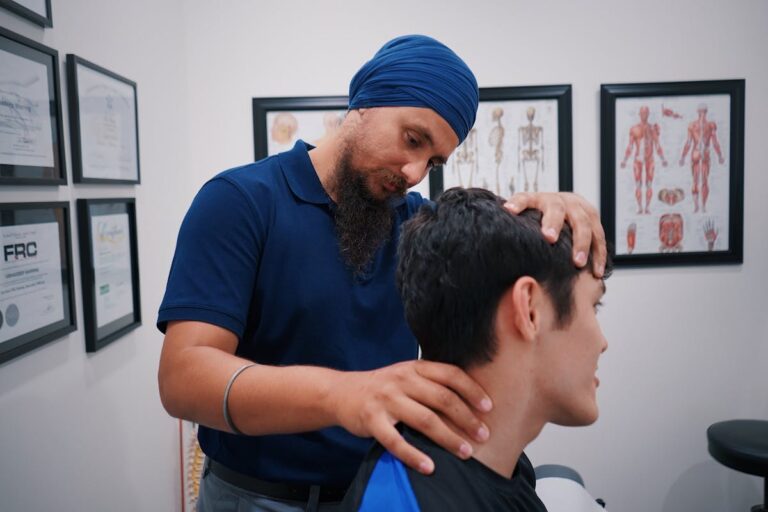

Healing Minor Fracture-Related Discomfort With Chiropractic Maintenance Care
Chiropractic maintenance care presents a compelling option for those experiencing discomfort from minor fractures. By employing targeted spinal adjustments and soft tissue manipulation, chiropractors can potentially reduce inflammation and enhance circulation, thereby facilitating the body’s natural healing processes. This approach not only focuses on alleviating pain but also aims to improve mobility and overall musculoskeletal function. As patients explore this holistic method, they may uncover additional benefits integral to their recovery journey.
Understanding Minor Fractures and Their Impact
Minor fractures, often referred to as incomplete fractures, occur when there is a partial disruption in the continuity of the bone. These fractures are typically classified based on their location, pattern, and the degree of bone integrity affected. Understanding the fracture classification is essential in determining appropriate treatment and management strategies. Fracture causes vary widely, including trauma, repetitive stress, or underlying bone conditions. A thorough assessment involves identifying these causes and evaluating the fracture’s impact on the patient’s overall mobility and function. By focusing on holistic care, healthcare providers can tailor interventions to minimize pain and enhance healing. Patient-focused strategies are central to effectively addressing the multifaceted needs arising from minor fractures, thereby promoting ideal recovery and well-being.
The Role of Chiropractic Care in Recovery
Frequently, chiropractic care plays a pivotal role in the recovery process for patients with minor fractures, offering a non-invasive approach that complements traditional medical treatments. Chiropractors develop customized rehabilitation plans tailored to the specific needs of each patient, focusing on restoring mobility and function. These plans are integral to a holistic recovery, guaranteeing that all aspects of the patient’s well-being are addressed. Chiropractic care often involves multi-disciplinary care approaches, collaborating with medical doctors, physical therapists, and other healthcare professionals to optimize recovery outcomes. This collaborative effort guarantees that patients receive extensive care, addressing not only the fracture itself but also potential secondary complications. By integrating chiropractic care into the recovery process, patients benefit from a more thorough and efficient healing journey.
How Chiropractic Adjustments Aid in Pain Relief
In the thorough recovery approach for minor fractures, chiropractic adjustments serve as a key component in pain management and relief. These adjustments employ targeted pain management techniques to alleviate discomfort and enhance healing. They guarantee improved joint mobility, which is essential in reducing stiffness and promoting overall well-being. By realigning the musculoskeletal structure, chiropractic care potentially minimizes inflammation and nerve irritation.
Key benefits of chiropractic adjustments include:
- Precision realignment: Corrects misalignments, reducing pressure on surrounding tissues.
- Inflammation reduction: Lessens swelling and aids in faster recovery.
- Enhanced circulation: Promotes nutrient flow to affected areas, supporting healing.
- Holistic approach: Addresses the root cause of pain, rather than just symptoms.
Improving Mobility Through Chiropractic Techniques
Chiropractic techniques play an essential role in enhancing mobility for patients with minor fractures by focusing on spinal alignment, which optimizes nervous system function and promotes overall body balance. Improved joint flexibility is achieved through targeted adjustments, facilitating better movement and reducing the risk of further injury. Additionally, these techniques aim to reduce muscle tension, thereby enhancing the patient’s range of motion and supporting a more holistic recovery process.
Spinal Alignment Benefits
Spinal alignment, a cornerstone of chiropractic care, offers significant benefits in enhancing mobility, particularly through targeted techniques. By focusing on spinal stabilization and vertebral realignment, chiropractic interventions can effectively address discomfort associated with minor fractures. These techniques aim to maximize the body’s natural alignment, thereby alleviating stress on the spinal column and promoting efficient movement.
Key benefits of spinal alignment include:
- Enhanced posture, leading to reduced strain on muscles and joints.
- Improved circulation, facilitating nutrient delivery and waste removal.
- Decreased pain levels, achieved by reducing nerve compression.
- Increased mobility, resulting from the restoration of normal vertebral function.
These outcomes highlight the integral role of chiropractic care in supporting recovery and maintaining ideal spinal health, ultimately promoting a more active and pain-free lifestyle.
Joint Flexibility Enhancement
A key aspect of chiropractic care involves enhancing joint flexibility, which plays an essential role in improving overall mobility. By focusing on joint range expansion, chiropractic techniques aim to address limitations often experienced after minor fractures. These methods include targeted adjustments and mobilizations designed to gently restore normal motion patterns without causing additional strain. The emphasis lies in facilitating mobility enhancement, ensuring that the joints operate within an ideal range, thereby reducing the risk of compensatory movement patterns that could lead to further discomfort or injury. Patient-centered care plans are tailored, considering individual healing trajectories, to promote efficient recovery. Ultimately, this holistic approach enables patients to regain functional movement more swiftly, supporting long-term health and enhancing quality of life post-fracture.
Muscle Tension Reduction
While muscle tension can markedly hinder recovery and mobility, chiropractic techniques offer a targeted approach to alleviate this issue, thereby enhancing overall movement capabilities. By focusing on postural imbalance correction and muscle fiber strengthening, chiropractors employ methods that are both precise and effective. Key techniques include:
- Spinal adjustments: Realigning vertebrae to alleviate stress on surrounding muscles.
- Myofascial release therapy: Targeting tight fascia to improve muscle flexibility and reduce tension.
- Therapeutic exercises: Strengthening muscle fibers, thereby enhancing resilience and promoting ideal posture.
- Postural education: Instructing patients on maintaining proper alignment to prevent future tension.
These interventions not only address existing discomfort but also facilitate a holistic recovery, promoting enhanced mobility and reducing the likelihood of recurrent muscle tension.
Enhancing the Body’s Natural Healing Processes
Chiropractic care can substantially enhance the body’s natural healing processes by stimulating tissue regeneration and boosting circulatory function. This holistic approach not only promotes the efficient delivery of nutrients and oxygen to the affected area but also aids in reducing inflammation naturally, facilitating faster recovery. Through targeted adjustments and therapies, chiropractors aim to optimize the body’s innate ability to heal minor fractures, thereby supporting overall patient well-being.
Stimulating Tissue Regeneration
How does the body naturally heal itself after a minor fracture, and what role can chiropractic care play in this process? The body’s innate ability to heal involves cellular regeneration and tissue remodeling. Chiropractic maintenance care can optimize these processes. By ensuring proper alignment and function of the musculoskeletal system, chiropractic care may enhance:
- Cellular Regeneration: Encouraging new cell growth to replace damaged tissues.
- Tissue Remodeling: Supporting the restructuring and strengthening of bone and connective tissues.
- Inflammation Reduction: Minimizing swelling may facilitate faster healing.
- Pain Management: Addressing discomfort through non-invasive adjustments.
This holistic approach focuses on improving the body’s natural healing capabilities, emphasizing patient-centered care. By aligning the spine and joints, chiropractic care can potentially accelerate recovery and restore function, supporting overall well-being.
Boosting Circulatory Function
Enhancing circulatory function is a critical component in optimizing the body’s natural healing processes, particularly following a minor fracture. Chiropractic maintenance care plays a paramount role in this aspect by facilitating increased blood flow to the affected area. Techniques such as spinal adjustments and soft tissue manipulation promote vascular health, thereby supporting the body’s intrinsic recovery mechanisms. Increased blood flow guarantees that essential nutrients and oxygen are delivered efficiently to the fracture site, accelerating the healing process. Enhanced nutrient delivery not only aids in tissue repair but also bolsters the immune response, safeguarding against potential complications. This patient-focused approach underscores the importance of a holistic strategy, integrating both chiropractic methods and lifestyle modifications to maximize the body’s healing capabilities post-fracture.
Reducing Inflammation Naturally
While addressing minor fractures, the reduction of inflammation naturally becomes an indispensable aspect of enhancing the body’s healing processes. A holistic approach involves integrating natural anti-inflammatory supplements and dietary inflammation reduction strategies. These methods serve to support the patient’s overall recovery and comfort.
- Natural Anti-inflammatory Supplements: Supplements such as turmeric and omega-3 fatty acids can substantially aid in reducing inflammation.
- Dietary Inflammation Reduction: Emphasizing a diet rich in fruits, vegetables, and whole grains helps mitigate inflammatory responses.
- Hydration: Adequate water intake is essential for flushing out toxins and promoting tissue repair.
- Rest and Recovery: Ensuring ample rest allows the body’s natural healing mechanisms to operate efficiently, reducing inflammation over time.
These components collectively enhance the body’s innate healing capabilities.
The Benefits of Holistic Well-being in Fracture Recovery
Holistic well-being plays an essential role in the recovery process of minor fractures, complementing traditional medical treatments. It emphasizes the integration of mind, body, and spirit to enhance healing outcomes. By adopting holistic lifestyle modifications, patients can support bone health and accelerate recovery. This involves maintaining a balanced diet rich in essential nutrients like calcium and vitamin D, engaging in appropriate physical activities, and ensuring adequate rest. Personalized self-care strategies cater to individual needs, addressing stress management and emotional well-being, which are indispensable for effective healing. Mindfulness practices, such as meditation and yoga, can reduce stress levels and improve overall patient resilience. Collectively, these approaches contribute to an exhaustive healing journey, fostering ideal recovery and preventing future complications.
Exploring Non-Invasive Options for Discomfort Relief
Integrating holistic well-being into fracture recovery not only enhances overall healing but also opens avenues for addressing discomfort through non-invasive methods. Leveraging natural pain management and holistic wellness solutions can extensively reduce fracture-related discomfort. Patients may benefit from:
- Acupuncture: Stimulates specific points on the body to alleviate pain and promote healing.
- Herbal Remedies: Utilizes plant-based treatments to manage inflammation and discomfort.
- Mindfulness Meditation: Encourages relaxation and mental clarity, reducing perceived pain through focused attention.
- Massage Therapy: Applies pressure to soft tissues, improving circulation and easing muscle tension.
These non-invasive options empower patients by providing safe, effective methods to manage discomfort without relying on pharmaceuticals. Incorporating such techniques into a thorough recovery plan enhances both physical and mental well-being, fostering a holistic approach to healing.
Integrating Chiropractic Care With Traditional Treatments
Chiropractic care, when strategically aligned with traditional medical treatments, can substantially enhance the recovery process for patients with minor fractures. The integration of chiropractic techniques focuses on optimizing musculoskeletal function, thereby promoting natural healing mechanisms. This holistic approach can be complemented by nutritional recommendations, ensuring adequate intake of calcium and vitamin D to support bone health. In addition, lifestyle modifications, such as tailored exercise regimens and ergonomic adjustments, are essential components in reducing discomfort and preventing further injury. By addressing the biomechanical aspects of recovery, chiropractic care aids in restoring mobility and flexibility. When combined with conventional methods like immobilization and pharmacotherapy, this integrative strategy fosters a complete and patient-centric pathway to recovery, ultimately improving overall outcomes and expedited healing.
Choosing the Right Chiropractor for Your Recovery Journey
Selecting an appropriate chiropractor is a critical step in the recovery journey for patients with minor fractures. This process involves finding experienced chiropractors and evaluating chiropractic credentials to guarantee optimal care. Patients should consider essential factors:
- Experience Level: Seek practitioners with a proven track record in treating fracture-related discomfort.
- Credentials: Verify that the chiropractor holds valid certifications and is licensed.
- Patient Reviews: Analyze feedback from previous patients to gauge satisfaction and success rates.
- Communication Skills: Confirm the chiropractor demonstrates effective communication for a holistic approach.
Frequently Asked Questions
Are Chiropractic Treatments Safe for Children With Minor Fractures?
Chiropractic treatments for children with minor fractures should prioritize proper fracture immobilization. Safety concerns necessitate a referral to a pediatric orthopedist before considering chiropractic care, ensuring a holistic and patient-focused approach to healing and comfort.
How Often Should I Visit a Chiropractor for Fracture-Related Discomfort?
The frequency of chiropractic visits for fracture-related discomfort varies. Regular appointments guarantee proper fracture site monitoring and adjust activity modification as needed. A patient-focused approach tailors care to individual healing progress and specific needs.
Can Chiropractic Care Prevent Future Fractures?
Chiropractic care alone may not directly prevent future fractures, but incorporating bone density assessment and fracture risk analysis can provide an exhaustive, patient-focused approach to identifying risks and developing strategies to strengthen bones and reduce potential fracture occurrences.
What Lifestyle Changes Support Chiropractic Treatment for Fractures?
To support chiropractic treatment for fractures, maintaining proper posture and minimizing physical activity are essential. These lifestyle changes enhance healing by reducing stress on the affected area, promoting alignment, and ensuring ideal recovery in a holistic manner.
Are There Any Dietary Recommendations With Chiropractic Fracture Care?
Dietary recommendations for chiropractic fracture care emphasize bone-dense foods and nutrient-rich supplements. Integrating calcium, vitamin D, and magnesium supports bone healing, while omega-3 fatty acids and antioxidants promote overall recovery and complement chiropractic adjustments effectively.