
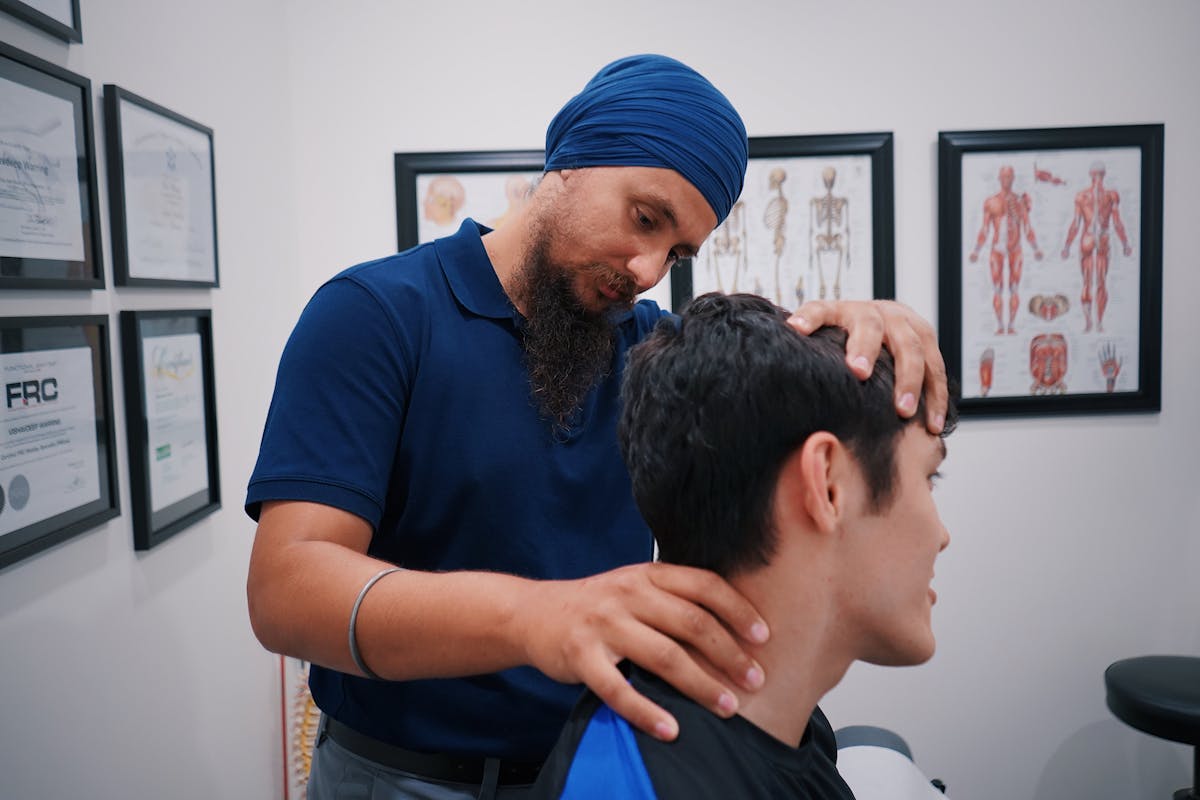
When to Consider Chiropractic Before Opting for Spine Surgery
When faced with chronic back pain or musculoskeletal issues, patients may wonder if chiropractic care could be a suitable alternative to spine surgery. Chiropractic treatment offers non-invasive techniques that focus on spinal adjustments and manual therapy to address issues like joint dysfunction and muscle tension. For many, these methods provide significant relief and avoid the risks associated with surgery. But how does one know if chiropractic care is the right path to pursue?
Understanding the Root Causes of Back Pain
Back pain is a multifaceted issue influenced by various physiological, lifestyle, and environmental factors. Understanding its root causes requires a holistic approach, focusing on underlying spinal dysfunction and identifying biomechanical issues. Often, spinal misalignment or muscular imbalances can contribute enormously to discomfort. Lifestyle choices, such as prolonged sitting or improper lifting techniques, may exacerbate these conditions. Environmental factors, including stress and ergonomics, also play a vital role in spinal health. By thoroughly evaluating these elements, practitioners can better tailor non-invasive, patient-focused interventions to address specific needs. This approach emphasizes prevention and management over invasive procedures, fostering long-term well-being. Identifying and resolving biomechanical issues can help alleviate pain and improve overall spinal function, offering a path to a healthier, pain-free life.
Exploring Chiropractic Techniques and Their Benefits
Chiropractic techniques, such as targeted adjustments, focus on realigning the spine to support the body’s natural healing processes. These methods offer a non-invasive approach to alleviating discomfort, promoting improved mobility and overall well-being. Patients often experience benefits such as reduced pain and enhanced quality of life through spinal manipulation, providing an alternative to more invasive procedures.
Chiropractic Adjustment Methods
When exploring the domain of non-invasive spine care, one finds a variety of chiropractic adjustment methods designed to enhance patient well-being. Central to these methods are spinal adjustments and manual manipulations, which aim to restore alignment and improve function. Chiropractors employ a range of techniques, each tailored to address specific patient needs. These methods include the diversified technique, which uses quick, precise thrusts, and the Gonstead technique, focusing on detailed analysis and correction of misalignments. The Activator Method, involving a handheld instrument, provides gentle, controlled impulses. Each approach is crafted with patient safety and comfort in mind, emphasizing the holistic nature of chiropractic care. By focusing on the root cause of discomfort, these methods offer an effective alternative to more invasive procedures.
Benefits of Spinal Manipulation
The exploration of chiropractic adjustment methods naturally leads to a consideration of the benefits associated with spinal manipulation. This non-invasive technique is designed to enhance overall well-being by addressing musculoskeletal issues in a gentle, patient-focused manner. One significant benefit is improved mobility. By realigning the spine, chiropractic care can restore range of motion, enabling patients to engage more freely in daily activities without discomfort. Additionally, spinal manipulation is known to reduce inflammation. Through precise adjustments, chiropractors work to alleviate pressure on nerves, which can decrease inflammatory responses in the body. This holistic approach not only targets immediate symptoms but also promotes long-term spinal health. As patients experience these benefits, they may find chiropractic care a viable alternative to more invasive procedures.
Comparing Risks: Surgery vs. Chiropractic Care
In evaluating the risks associated with spine surgery compared to chiropractic care, it becomes evident that each option carries its own set of potential complications and benefits. Spine surgery, while sometimes necessary, involves surgical complication risks such as infection, nerve damage, and extended recovery periods. These factors may deter patients seeking a more immediate, non-invasive solution. Conversely, chiropractic care emphasizes conservative treatment efficacy, focusing on holistic and patient-centered approaches without the need for invasive procedures. It aims to enhance spinal function and alleviate discomfort through manual adjustments. However, it is essential to note that chiropractic care may not be suitable for all spinal conditions, and its effectiveness can vary based on individual health profiles. Ultimately, patients must carefully weigh their options in consultation with healthcare professionals.
Identifying Suitable Conditions for Chiropractic Treatment
Chiropractic treatment offers a holistic approach to managing chronic back pain through non-invasive methods that prioritize patient well-being. Conditions such as muscle tension, joint dysfunction, and certain types of headaches can often benefit from this therapeutic modality. By focusing on the body’s natural alignment and function, chiropractic care provides a patient-centered alternative to more invasive procedures like spine surgery.
Chronic Back Pain Relief
Chronic back pain, a common ailment affecting millions worldwide, often prompts individuals to seek various treatment options. Among these, chiropractic care emerges as a patient-focused approach to managing chronic pain. This method emphasizes holistic pain relief by addressing the root causes rather than just the symptoms. Chiropractors utilize techniques such as spinal adjustments and manual therapy, which can effectively alleviate discomfort without resorting to invasive procedures.
Identifying suitable conditions for chiropractic treatment involves evaluating the nature and severity of the pain. Conditions stemming from musculoskeletal issues, poor posture, or sedentary lifestyles may benefit substantially from chiropractic interventions. By focusing on restoring proper spinal alignment and enhancing bodily function, chiropractic care offers a non-invasive path to relief for those experiencing persistent back pain.
Non-Invasive Treatment Options
Exploring non-invasive treatment options reveals a spectrum of possibilities for those grappling with persistent back pain. Chiropractors, with their patient-centered approach, often recommend alternatives such as massage therapy and physical rehabilitation. These methods aim to alleviate discomfort while enhancing mobility and promoting healing. Massage therapy can soothe muscle tension and improve circulation, which may reduce pain symptoms. Physical rehabilitation involves tailored exercises that strengthen core muscles and support spinal health. Conditions like muscle strains, minor spinal misalignments, and certain types of soft tissue injuries may benefit from these approaches. By focusing on non-invasive techniques, patients often experience relief without the risks associated with surgery. Ultimately, these methods prioritize holistic care, empowering individuals to reclaim their well-being naturally and effectively.
Patient Success Stories: Real-Life Chiropractic Outcomes
How often do we encounter stories of transformation through non-invasive treatments? Patient testimonials illuminate the profound impact chiropractic care can have on individuals contemplating spine surgery. These narratives often highlight remarkable recovery timelines, showcasing the effectiveness of chiropractic methods in fostering healing without the need for surgical intervention.
Consider the following real-life outcomes:
- Rapid Recovery: Numerous patients have reported significant improvements in mobility and pain reduction within weeks of commencing chiropractic care.
- Sustainable Health: Testimonials frequently underscore the sustained benefits of regular chiropractic adjustments, promoting long-term spine health.
- Holistic Healing: Many patients describe a holistic recovery experience, where physical, emotional, and mental well-being are addressed through personalized treatment plans.
Such stories underscore the potential of chiropractic care as a pivotal alternative to surgery.
The Role of Chiropractic in Preventative Spine Health
What role does chiropractic care play in maintaining a healthy spine before issues arise? Chiropractic care focuses on the holistic approach to health by maintaining spinal alignment and promoting joint health. Through regular adjustments, chiropractors address minor misalignments that may lead to discomfort or mobility issues if left untreated. By ensuring the spine is properly aligned, the nervous system can function ideally, reducing the risk of developing chronic conditions. This proactive approach supports overall bodily function and resilience.
Chiropractic care emphasizes non-invasive methods, which are patient-focused, aiming to prevent problems before they manifest. Routine chiropractic visits can enhance joint health and flexibility, contributing to a more active lifestyle. Consequently, chiropractic care plays an essential role in preventative spine health, potentially reducing the need for invasive interventions like surgery.
Collaborating With Healthcare Providers for Optimal Results
A collaborative approach between chiropractors and other healthcare providers can markedly enhance patient outcomes by integrating diverse expertise. Multidisciplinary collaboration guarantees that patients receive comprehensive care, drawing on the strengths of various medical disciplines. This approach promotes shared decision making, allowing patients to make informed choices about their treatment path.
- Holistic Care: Combining chiropractic with medical insights fosters holistic treatment plans, addressing both symptoms and underlying causes.
- Enhanced Communication: Regular dialogue between providers verifies continuity of care, reducing the risk of overlooked conditions.
- Patient Empowerment: By involving patients in decision making, they become active participants in their own health journey.
Through such collaborative efforts, patient-focused care becomes more effective, paving the way for optimal health outcomes.
Knowing When Chiropractic Care May Not Be Enough
When might chiropractic care alone not suffice for a patient’s needs? In cases where structural abnormalities greatly impact the spine’s integrity, chiropractic adjustments may not address the root cause effectively. Conditions such as severe scoliosis or spinal stenosis can necessitate more intensive interventions beyond the scope of manual therapies. While chiropractic care excels in enhancing mobility and aligning the spine, it may fall short in managing complex cases where pain persists despite conventional adjustments. Integrating all-encompassing pain management strategies becomes essential, encompassing physical therapy, medications, or other non-invasive treatments. A holistic approach guarantees the patient receives well-rounded care, recognizing when chiropractic’s capabilities are limited and additional medical evaluation is warranted to explore alternative therapies or surgical options.
Steps to Take Before Making a Decision on Spine Surgery
Deciding to undergo spine surgery is a significant choice that requires careful consideration and thorough preparation. Patients should guarantee they have explored all non-invasive options before committing. A comprehensive approach includes:
- Physical Examination Recommendations: Engage in a detailed assessment with a healthcare provider to understand the condition’s severity and potential alternatives.
- Referral Process Considerations: Obtain multiple professional opinions. Specialists can provide insights into whether surgery is truly necessary or if other treatments might be effective.
- Holistic Evaluation: Consider lifestyle changes, such as physical therapy or chiropractic care, that could alleviate symptoms without surgery.
This patient-focused strategy emphasizes understanding all aspects of the condition and treatment options, encouraging informed decision-making that aligns with individual health goals.
Frequently Asked Questions
How Long Does a Typical Chiropractic Session Last?
The duration of chiropractic sessions varies, but a typical session length is about 30 minutes. This holistic, non-invasive approach emphasizes patient-focused care, providing individualized treatment plans to address specific needs and promote overall well-being and spinal health.
Are Chiropractic Treatments Covered by Insurance?
Insurance coverage options for chiropractic treatments vary widely, influencing the cost effectiveness of chiropractic care. Patients should consult their providers to understand benefits, ensuring a holistic, non-invasive approach to spine health that aligns with personal financial considerations.
Can Chiropractic Care Help With Sciatica?
Chiropractic care offers holistic, non-invasive solutions for sciatica, focusing on pinched nerve treatment and disc herniation management. By emphasizing patient-focused techniques, it aims to alleviate pain and improve mobility, potentially reducing the need for surgical interventions.
What Qualifications Should a Chiropractor Have?
A qualified chiropractor should possess board certification and have several years of experience. Their holistic, non-invasive approach prioritizes patient-focused care, ensuring they address spinal health concerns effectively while promoting overall well-being and avoiding unnecessary surgical interventions.
How Often Should One Visit a Chiropractor for Back Pain Relief?
Individuals experiencing back pain may benefit from regular checkups with a chiropractor. A holistic, non-invasive approach emphasizes preventive maintenance, suggesting visits might range from weekly to monthly, tailored to the patient’s specific needs and response to treatment.