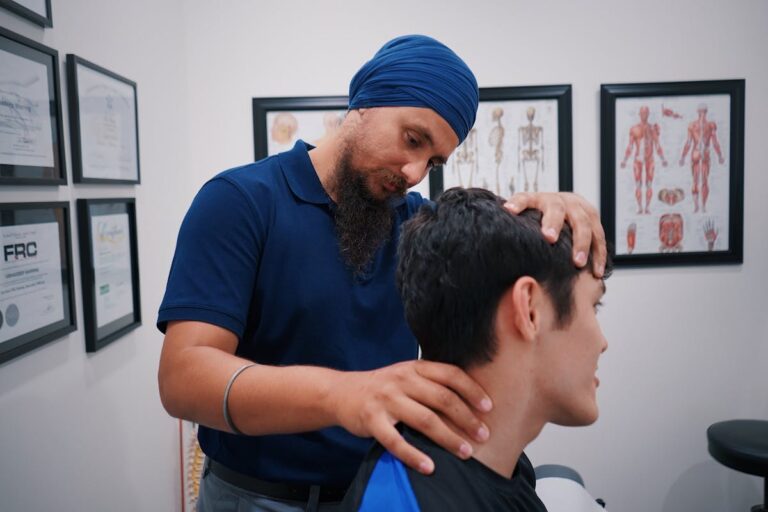

Navigating Activity Restrictions After Spine Surgery With Chiropractic Guidance
Spine surgery often necessitates a careful approach to physical activity, with restrictions critical to guarantee proper healing. Chiropractic care can provide a complementary pathway, focusing on patient-centered, evidence-based interventions. When integrated thoughtfully, chiropractic techniques enhance mobility and manage pain, aligning with medical guidelines. This holistic approach encourages a smoother recovery journey and empowers patients to safely navigate their post-surgical restrictions. Discover how chiropractic care can transform your healing process.
Understanding the Importance of Post-Surgical Activity Restrictions
Frequently, the journey to recovery following spine surgery necessitates a holistic appreciation of post-surgical activity restrictions to optimize healing and prevent complications. Compliance requirements are indispensable, as they are tailored to the individual’s specific surgical procedure and overall health condition. Aligning with a patient-centered approach, patients are encouraged to consult with their physicians to understand these restrictions fully. Evidence-based guidelines emphasize the importance of adhering to prescribed limitations, which may include avoiding certain movements or lifting heavy objects. Regular physician consultations guarantee that activity levels are adjusted appropriately, promoting safe recovery. This collaborative, informed approach facilitates a smoother healing process, reduces the risk of re-injury, and empowers patients to take an active role in their recovery journey.
Benefits of Chiropractic Care in Post-Surgery Recovery
In the context of spine surgery recovery, exploring complementary therapies can further enhance the healing process. Chiropractic care offers a holistic approach that is both patient-centered and evidence-based. By focusing on improving spinal alignment, chiropractic interventions can alleviate stress on surrounding tissues, potentially reducing pain and promoting recovery. These adjustments can also optimize range of motion, aiding patients in regaining functional mobility more efficiently. Individualized chiropractic strategies are crafted to support the unique needs of post-surgery patients, ensuring a tailored approach to recovery. Studies suggest that such interventions, when carefully integrated, may contribute to an overall sense of well-being, accelerating the rehabilitation process. Embracing chiropractic care within a multidisciplinary framework could be a beneficial adjunct to traditional post-surgical rehabilitation programs.
Aligning Chiropractic Strategies With Medical Recommendations
A holistic approach to post-surgery recovery emphasizes the integration of chiropractic techniques with established medical recommendations, ensuring patient safety and ideal outcomes. By enhancing communication and collaboration with medical professionals, chiropractors can tailor strategies that complement surgical interventions. This evidence-based synergy not only supports the healing process but also encourages a thorough recovery experience for patients.
Integrating Chiropractic Techniques Safely
Chiropractic care, when integrated with conventional medical practices, offers a holistic path toward optimizing spinal health and patient recovery. By aligning chiropractic techniques with medical guidelines, practitioners guarantee safety and effectiveness post-surgery. Rehabilitative adjustments and joint mobilization techniques are tailored to individual needs, promoting spinal alignment and functional mobility. Evidence-based approaches are essential, allowing chiropractors to work within a framework that respects surgical outcomes while enhancing patient comfort and stability. Regular communication between chiropractors and healthcare providers fosters a collaborative environment, certifying that chiropractic interventions complement medical treatments. This integrated approach not only supports physiological healing but also empowers patients through education and active participation in their recovery journey, ultimately leading to improved long-term spinal health and overall well-being.
Enhancing Post-Surgery Recovery
Following spine surgery, a carefully crafted blend of chiropractic strategies and medical recommendations can substantially enhance patient recovery. Evidence-based rehabilitative techniques tailored to the individual’s needs promote ideal healing and functional restoration. Chiropractic care focuses on gentle, supportive methods to alleviate discomfort and improve mobility without compromising surgical outcomes. Patient education plays a pivotal role, empowering individuals with knowledge about self-care practices and activity modifications. This holistic approach fosters patient engagement and adherence to recovery plans, ensuring a seamless shift back to daily activities. By aligning chiropractic strategies with medical guidelines, practitioners can create a synergistic recovery environment. This collaborative framework not only accelerates healing but also enhances overall well-being, ultimately supporting a successful and sustainable post-surgery recovery journey.
Collaborating With Medical Professionals
Integrating chiropractic care with medical expertise is key to optimizing spine surgery recovery outcomes. This collaborative approach guarantees that both chiropractic and medical professionals work synergistically, fostering an all-encompassing, patient-centered recovery plan. Chiropractic strategies aligned with medical recommendations can lead to enhanced patient compliance and satisfaction. By engaging in shared decision making, practitioners create a treatment roadmap that respects the expertise of both fields, ultimately benefiting the patient’s recovery trajectory.
Chiropractors and medical professionals communicate regularly to assess and adjust patient care plans. This dialogue is grounded in evidence-based practices, ensuring that interventions are safe and effective. Through collaboration, healthcare providers tailor interventions that complement each other, facilitating a smoother shift from surgery to rehabilitation, and promoting long-term spinal health.
Enhancing Mobility Through Targeted Chiropractic Techniques
While addressing spinal issues, targeted chiropractic techniques have shown promise in enhancing patient mobility by focusing on specific areas of concern. These techniques include targeted spine adjustments and manual therapy techniques, which are integral to promoting ideal recovery post-surgery. By concentrating on the precise alignment of the spine, chiropractors can facilitate improved mobility and function. Such adjustments aim to restore natural movement patterns and alleviate restrictions, allowing patients to engage in daily activities more comfortably. Manual therapy techniques complement these adjustments by addressing soft tissue concerns, enhancing flexibility, and reducing muscle tension. This holistic, patient-centered approach is supported by evidence, demonstrating its effectiveness in fostering enhanced mobility and overall well-being in individuals recovering from spine surgery.
Pain Management and Discomfort Reduction With Chiropractic Support
In addition to enhancing mobility, chiropractic support plays a significant role in managing pain and reducing discomfort for patients recovering from spine surgery. By integrating restorative exercises into the rehabilitation process, chiropractors can assist in alleviating pain while promoting healing. These carefully designed exercises are tailored to strengthen core muscles and support spinal alignment, which in turn minimizes inflammation—a common source of post-surgical discomfort. Evidence-based chiropractic techniques focus on a holistic approach, emphasizing the importance of the body’s natural healing abilities. Patient-centered care guarantees that each treatment plan is customized to address the unique needs and recovery goals of the individual. Through this thorough support, patients are empowered to progress more comfortably and effectively on their journey to recovery.
Safe Exercises and Movements for Post-Surgical Patients
For post-surgical patients, selecting safe exercises and movements is crucial to ensuring a smooth and effective recovery. A holistic, patient-centered approach emphasizes the importance of incorporating exercises that adhere to proper form guidelines, reducing the risk of injury and promoting healing. Evidence-based practices highlight exercises such as gentle stretching and low-impact activities, which can enhance flexibility and strengthen muscles without straining the healing spine. Joint mobilization techniques, guided by chiropractic experts, can further aid in maintaining joint health and improving mobility. These techniques involve controlled, passive movements that safely stimulate joint function. By focusing on these safe exercise practices, patients are better equipped to support their recovery journey, fostering overall well-being and functional improvement post-surgery.
Monitoring Progress and Adjusting Activity Levels
Emphasizing safe exercises and movements lays the groundwork for ideal recovery, yet the recovery journey also requires continuous monitoring of progress and appropriate adjustments to activity levels. An evidence-based approach involves regular assessments to track activity levels, ensuring patients remain within safe thresholds while promoting healing. Through a patient-centered lens, healthcare providers can personalize activity plans, fine-tuning them based on the individual’s progress and feedback. Managing discomfort is essential; monitoring pain levels and physical responses allows for timely modifications, preventing setbacks. By balancing activity and rest, patients can optimize their recovery trajectory. Chiropractic guidance plays a pivotal role in offering insights and strategies, fostering a holistic recovery environment that adapts to evolving needs while safeguarding the spine’s healing process.
Integrating Chiropractic Care Into Your Recovery Plan
How can chiropractic care seamlessly enhance the recovery process following spine surgery? By integrating chiropractic care, individuals can benefit from customized recovery plans that address their unique needs. Chiropractors employ holistic healing approaches that focus on the body’s natural ability to heal, thereby promoting overall well-being. This patient-centered approach guarantees that each recovery plan is tailored to the individual’s specific condition, fostering a more efficient healing process. Evidence-based chiropractic techniques can help alleviate pain, improve mobility, and reduce the risk of complications during recovery. By focusing on spinal alignment and neuromuscular health, chiropractic care complements traditional medical treatments, offering a thorough strategy for recovery. Ultimately, this integrative method supports a smoother shift back to daily activities while respecting post-surgery restrictions.
Building a Supportive Recovery Environment
Creating a supportive recovery environment after spine surgery involves a multifaceted approach that prioritizes patient well-being and comfort. Evidence-based strategies, such as implementing home safety tips, offering emotional support, and making ergonomic adjustments, are essential for enhancing recovery outcomes. By fostering a secure and nurturing space, patients can better adhere to their rehabilitation program and promote overall healing.
Home Safety Tips
A supportive recovery environment at home is indispensable for individuals undergoing spine surgery, as it greatly influences the healing process and overall well-being. To create such an environment, decluttering walkways is essential; it reduces the risk of tripping and falling, which can impede recovery. Clear pathways should be maintained, ensuring that frequently used areas are easily accessible. Proper lighting plays a pivotal role in home safety. Adequate illumination in hallways, staircases, and rooms helps prevent accidents, especially during nighttime movements. Additionally, installing nightlights can guide safe navigation in the dark. A patient-centered approach emphasizes tailoring home modifications to individual needs, supported by evidence-based strategies. This holistic method fosters a safer, more comfortable recovery journey for those recovering from spine surgery.
Emotional Support Strategies
Often overlooked in the recovery journey, emotional support is indispensable for patients healing from spine surgery. Creating a supportive environment is essential in maintaining emotional equilibrium. Research highlights the importance of fostering a connection with family and friends, who can offer empathy and encouragement. Professional counseling and support groups also provide invaluable resources for patients, helping them voice concerns and share experiences. These interactions contribute meaningfully to cultivating a positive mindset, which is pivotal for a holistic recovery. Patients are encouraged to engage in mindfulness practices and stress-reducing activities, such as meditation or gentle yoga, tailored to individual needs. By integrating these evidence-based emotional support strategies, a patient-centered approach is sustained, facilitating a smoother and more complete recovery process.
Ergonomic Adjustments Guide
Following the integration of emotional support strategies, attention turns to the physical environment, which plays a significant role in the recovery of spine surgery patients. Creating a supportive recovery environment involves ergonomic adjustments that cater to individual needs. Evidence-based practices emphasize the significance of these adjustments in boosting patient outcomes. Key elements include:
- Seated Workstation: Design a suitable seated workstation with adjustable chairs and desks to maintain proper posture, reducing strain on the spine.
- Customized Furniture: Incorporate customized furniture tailored to the patient’s specific height and comfort requirements, facilitating ease of use and promoting healing.
- Accessible Spaces: Arrange living areas to minimize unnecessary movement and ensure that essential items are within easy reach, fostering a safe and efficient recovery process.
These adjustments are integral to a holistic, patient-centered recovery journey.
Frequently Asked Questions
How Soon Can I Drive After Spine Surgery With Chiropractic Guidance?
Determining when to resume driving post-spine surgery involves evaluating driving precautions and pain management strategies. A holistic, patient-centered, evidence-based approach is essential, considering individual recovery progress, ensuring safety, and minimizing discomfort before returning to driving activities.
Are There Any Dietary Changes Recommended Post-Surgery?
Post-surgery, a holistic approach recommends nutritious meal planning and dietary supplement recommendations to support recovery. Evidence-based guidance emphasizes a balanced diet rich in proteins, vitamins, and minerals, ensuring patient-centered care tailored to individual healing needs.
Can I Use Heat or Ice for Post-Surgery Swelling?
Applying heat or using ice packs can be effective for managing post-surgery swelling. An evidence-based, patient-centered approach suggests alternating between them, considering individual tolerance and comfort, while consulting healthcare professionals for personalized guidance and ideal recovery.
Is It Safe to Travel by Plane Shortly After Spine Surgery?
The timing of air travel after spine surgery is pivotal. Patients should consult their healthcare provider, as potential complications during flight include blood clots and discomfort due to pressure changes. An evidence-based, holistic approach guarantees patient-centered care.
How Often Should I Follow up With My Surgeon Post-Surgery?
The follow-up timeline recommendations post-surgery vary, depending on individual cases. Regular communication with the surgeon guarantees personalized care, addressing concerns promptly. A holistic, patient-centered approach, grounded in evidence-based practices, optimizes recovery and long-term outcomes.