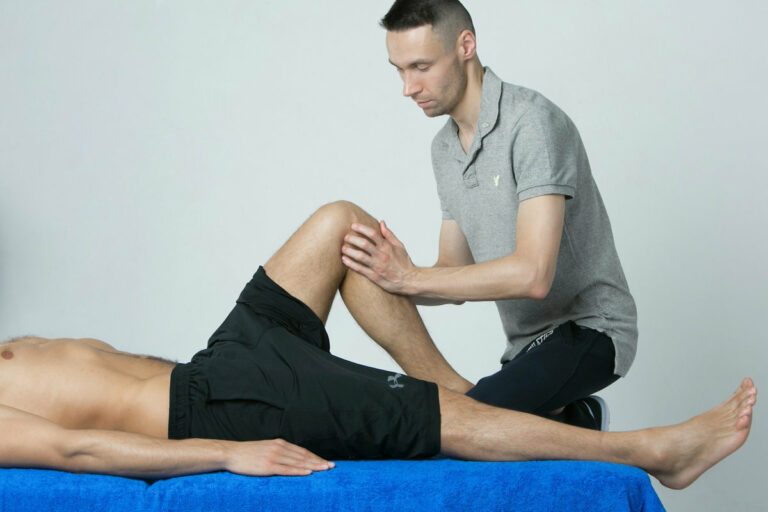
Addressing Post-Traumatic Headaches With Chiropractic Techniques
Chiropractic care offers a promising avenue for addressing post-traumatic headaches through a holistic approach. By focusing on spinal misalignments and their impact on neurological function, chiropractors target the root causes of persistent head pain. Techniques such as specific adjustments and neuromuscular rehabilitation are employed to alleviate symptoms effectively. This non-invasive treatment not only reduces dependency on medications but also fosters long-term well-being, inviting patients to explore a natural path to recovery.
Understanding Post-Traumatic Headaches
When addressing the complexities of post-traumatic headaches, it becomes essential to recognize their multifaceted nature, often arising after an injury to the head or neck. Such headaches frequently correlate with traumatic brain injury, where the neurological pathways and cranial structures endure significant disruption. These disruptions lead to physiological changes that manifest as persistent pain. Understanding these headaches requires an extensive, exhaustive, or all-encompassing perspective that acknowledges the intricate interplay between the central nervous system and musculoskeletal components. Patients may experience varying symptoms: throbbing pain, cognitive disturbances, and emotional challenges. By focusing on the underlying physiological changes, healthcare practitioners can tailor interventions that address both the immediate symptoms and the root causes, ensuring a patient-centered approach that prioritizes long-term wellness and recovery.
The Role of Chiropractic Care in Headache Management
Chiropractic care offers a thorough approach to managing headaches by emphasizing spinal alignment benefits, which can alleviate pressure and improve neurological function. Techniques to reduce muscle tension further contribute to decreasing headache frequency and intensity, promoting overall well-being. Additionally, chiropractic interventions provide natural pain relief, minimizing reliance on pharmacological treatments and enhancing patients’ quality of life.
Spinal Alignment Benefits
A critical factor in managing post-traumatic headaches is the alignment of the spine, which plays a pivotal role in overall neurological health. Chiropractic care aims to achieve improved spinal posture, facilitating ideal neural communication. The alignment of vertebrae is essential, as misalignment can impede nerve function and exacerbate headache symptoms. By employing specific adjustments, chiropractors enhance joint mobility, reducing tension and improving circulation. This holistic approach supports the body’s natural healing processes, addressing the root causes of headaches rather than merely alleviating symptoms. Patients often report not only a reduction in headache frequency but also an overall enhancement in their quality of life. Consequently, spinal alignment through chiropractic intervention becomes a cornerstone in the multifaceted approach to headache management.
Tension Reduction Techniques
Building upon the foundation of spinal alignment, attention shifts to the significance of tension reduction techniques within chiropractic care for managing headaches. These techniques focus on alleviating muscle tension and stress, which are key contributors to headache disorders. Myofascial release is employed to target the fascia, the connective tissue encasing muscles, promoting improved circulation and flexibility. Through skilled manual manipulation, myofascial release aids in reducing pain and enhancing range of motion. Complementing this is the use of muscle energy techniques, which involve gentle isometric contractions to lengthen and relax muscles. This patient-centered approach addresses underlying muscular imbalances, offering an exhaustive strategy to manage headache symptoms effectively. By integrating these methods, chiropractic care provides a multifaceted solution to reduce headache frequency and intensity.
Natural Pain Relief
When seeking a holistic approach to headache management, natural pain relief becomes an essential component of chiropractic care. By integrating herbal remedies and topical solutions, chiropractors aim to alleviate discomfort without pharmacological intervention. Herbal remedies, such as feverfew and butterbur, are frequently recommended for their anti-inflammatory properties and potential to mitigate headache frequency. Additionally, topical solutions, including menthol-based balms, are applied to relieve tension and promote circulation, targeting muscle tension and stress-related triggers. This patient-focused approach prioritizes individualized care, evaluating each patient’s unique needs and headache patterns. Chiropractors employ these natural modalities in conjunction with spinal adjustments, offering a thorough strategy that addresses both symptom relief and underlying causes. Such techniques underscore the importance of non-invasive, sustainable headache management solutions.
How Spinal Adjustments Help Relieve Headaches
Spinal adjustments play a pivotal role in alleviating post-traumatic headaches by realigning spinal vertebrae to their ideal positions. This realignment can substantially reduce stress on the nervous system, thereby promoting better neurological function and diminishing headache symptoms. Through precise chiropractic techniques, patients can experience improved well-being and a reduction in headache frequency and intensity.
Realigning Spinal Vertebrae
Although often overlooked, the alignment of spinal vertebrae plays an essential role in mitigating post-traumatic headaches. When spinal vertebrae are misaligned, they can lead to subluxations—disruptions in the normal positioning of vertebrae that impair nerve function and trigger headaches. Chiropractic care focuses on correcting these subluxations, using precise spinal adjustments to realign the vertebrae. This non-invasive technique aims at restoring joint mobility, thereby alleviating strain on surrounding tissues and enhancing cerebral circulation. Chiropractors employ manual manipulation to address these misalignments, fostering improved body mechanics and promoting natural healing processes. By prioritizing spinal health, patients often experience a reduction in headache frequency and intensity, highlighting the significance of spinal realignment in holistic post-traumatic headache management.
Reducing Nervous System Stress
The intricate interplay between spinal adjustments and the nervous system underscores the chiropractic approach to alleviating headaches. By managing nervous system stress through precise spinal manipulations, chiropractors aim to optimize neural pathways. This technique focuses on balancing autonomic function, which is essential in reducing headache frequency and intensity. The autonomic nervous system, divided into sympathetic and parasympathetic branches, often becomes dysregulated in post-traumatic scenarios, contributing to chronic headaches. Chiropractic adjustments work to restore equilibrium within these branches, facilitating improved communication between the central nervous system and peripheral components. This patient-focused methodology not only targets symptomatic relief but also promotes overall neurological resilience, offering an all-encompassing strategy for individuals seeking relief from debilitating post-traumatic headaches.
Neuromuscular Rehabilitation Techniques
Many patients suffering from post-traumatic headaches benefit substantially from neuromuscular rehabilitation techniques, which focus on restoring ideal muscle function and coordination. These techniques aim to address muscle imbalance correction and postural improvement, pivotal components in alleviating headache symptoms. By employing therapeutic exercises and manual therapy, practitioners target specific muscle groups to harmonize strength and flexibility. This approach fosters improved neuromuscular control, reducing the strain on muscles and ligaments associated with poor posture. Additionally, neuromuscular rehabilitation enhances proprioception, the body’s ability to sense movement and position, which is indispensable for maintaining proper alignment. This holistic strategy not only mitigates headache frequency but also empowers patients to regain control over their physical wellbeing, promoting long-term relief and functional restoration.
Benefits of Chiropractic Treatments for Headaches
Often overlooked yet profoundly effective, chiropractic treatments offer significant benefits for those experiencing headaches. By addressing the root causes through spinal adjustments, chiropractors can alleviate tension and restore musculoskeletal balance. This holistic approach emphasizes integrative therapies that blend manual techniques with lifestyle modifications, thereby enhancing overall well-being. Chiropractic care not only targets immediate pain relief but also promotes long-term health by educating patients on posture correction and ergonomic practices.
Chiropractors tailor their interventions to individual needs, considering factors such as diet, sleep habits, and stress management. This patient-focused strategy fosters a proactive role in managing headaches, encouraging individuals to adopt healthier routines. With its emphasis on non-invasive, drug-free solutions, chiropractic treatment emerges as an essential component in the extensive management of headache disorders.
Comparing Chiropractic Care to Conventional Treatments
While chiropractic care offers a holistic and individualized approach to managing headaches, contrasting it with conventional treatments highlights distinct methodologies and outcomes. Chiropractic techniques focus on spinal alignment and neuromuscular function, aiming to address underlying causes of post-traumatic headaches. This contrasts with conventional therapies, which often emphasize symptomatic relief through pharmacological means. Medication comparisons reveal that chiropractic care circumvents potential side effects associated with long-term use of analgesics or anti-inflammatory drugs. Conventional therapies might provide immediate relief; however, they may not offer sustained improvements in neuromuscular health. Chiropractic care, by addressing biomechanical dysfunction, seeks to reduce headache frequency and intensity over time. The patient-centered approach of chiropractic care engages individuals in their healing journey, advocating for lifestyle changes and active participation.
Success Stories and Patient Experiences
How do individual experiences with chiropractic care illuminate its effectiveness for post-traumatic headaches? Patient testimonials serve as powerful narratives, offering insight into the practical benefits of chiropractic interventions. These recovery journeys often highlight the alleviation of chronic pain and improved quality of life. Through a structured regimen of spinal adjustments and personalized care plans, many patients report a significant reduction in headache frequency and intensity. The technical precision of chiropractic manipulations can aid in restoring neuromuscular function, consequently addressing the underlying sources of discomfort. Testimonials underscore the holistic nature of such treatments, as patients frequently describe an enhanced sense of well-being. These shared experiences contribute to a growing body of anecdotal evidence supporting chiropractic care as a viable option for post-traumatic headache relief.
Steps to Begin Chiropractic Treatment for Headaches
Patient testimonials highlight the potential benefits of chiropractic care for post-traumatic headaches, but understanding the initial steps towards treatment is equally important. The journey begins with an initial consultation, where a licensed chiropractor evaluates the patient’s medical history and headache characteristics. This vital step allows for a comprehensive assessment of the individual’s specific needs. Following the consultation, a customized treatment plan is crafted to address unique headache triggers and underlying issues.
- Schedule an initial consultation with a licensed chiropractor.
- Discuss personal health history and headache patterns.
- Undergo a thorough physical examination to identify the root causes.
- Receive a tailored chiropractic care plan focusing on holistic healing.
- Set realistic goals and monitor progress with regular follow-ups.
These steps provide a structured approach to alleviate headaches effectively.
Finding the Right Chiropractor for Your Needs
Selecting the right chiropractor can substantially impact the effectiveness of treatment for post-traumatic headaches. A holistic approach begins with evaluating chiropractor qualifications, ensuring they possess the necessary credentials and specialization in neuromusculoskeletal disorders. This technical expertise is paramount for tailoring individualized care plans addressing specific headache triggers and symptoms. Patient reviews serve as a valuable resource, providing insights into a chiropractor’s efficacy and bedside manner, reflecting real-world patient experiences. Additionally, considering the chiropractor’s familiarity with post-traumatic headache management can enhance treatment outcomes. Establishing a therapeutic alliance grounded in trust and communication is essential, as it fosters an environment conducive to healing. Thorough research and evaluation of potential practitioners empower patients to make informed decisions aligned with their unique health needs.
Frequently Asked Questions
What Are the Common Triggers for Post-Traumatic Headaches?
Common triggers for post-traumatic headaches include environmental factors such as noise and bright lights, and hormonal fluctuations. Understanding these elements forms part of a holistic approach, aiding healthcare providers in offering patient-focused, technical interventions tailored to individual needs.
How Long Do Post-Traumatic Headaches Typically Last?
The headache duration variability for post-traumatic headaches is significant, often influenced by the individual’s post-injury recovery timeline. Patients may experience symptoms from days to months, requiring a holistic approach tailored to their specific recovery needs and conditions.
Are There Any Dietary Changes That Can Help Alleviate Headaches?
To alleviate headaches, adopting a whole foods diet rich in nutrients is beneficial. Incorporating anti-inflammatory supplements, such as omega-3 fatty acids and turmeric, supports reducing headache frequency and intensity, promoting overall patient well-being through a holistic approach.
Can Stress Management Techniques Aid in Headache Relief?
Stress management techniques, such as mindfulness training and breathing exercises, can aid in headache relief. By promoting relaxation and reducing stress-induced tension, these methods contribute to a holistic approach, enhancing overall patient well-being and potentially alleviating headache symptoms.
Are There Any Specific Exercises That Can Prevent Headaches?
Specific exercises like neck strengthening exercises and posture improvement techniques can play a critical role in preventing headaches. These methods enhance muscular support and alignment, providing a holistic approach to alleviate discomfort and promote patient well-being.