Chiropractic Care After a Snowboarding or Skiing Injury
Chiropractic care plays an integral role in addressing the musculoskeletal challenges faced after snowboarding or skiing injuries. By focusing on biomechanical dysfunctions, chiropractors employ spinal adjustments and rehabilitation exercises to restore alignment and enhance neuromuscular efficiency. These interventions not only alleviate pain but also optimize mobility and manage inflammation, key components in the recovery process. Understanding the science behind these techniques could be the difference between a swift return to the slopes or prolonged discomfort.
Understanding Common Snowboarding and Skiing Injuries
How frequently do snowboarding and skiing enthusiasts find themselves traversing the complexities of musculoskeletal injuries? Quite often, as these activities place significant stress on the body, resulting in common injuries such as joint sprains and muscle strains. Joint sprains typically involve the overstretching or tearing of ligaments, with the knee, wrist, and shoulder being particularly vulnerable due to high-impact falls and awkward landings. Muscle strains occur when muscle fibers are overstretched or torn, often affecting the hamstrings and lower back due to sudden changes in motion and twisting movements. Treatment protocols generally include rest, ice, compression, and elevation (RICE), along with therapeutic exercises to restore range of motion and strength. Early intervention is vital to prevent chronic dysfunction and expedite recovery.
The Role of Chiropractic Care in Injury Recovery
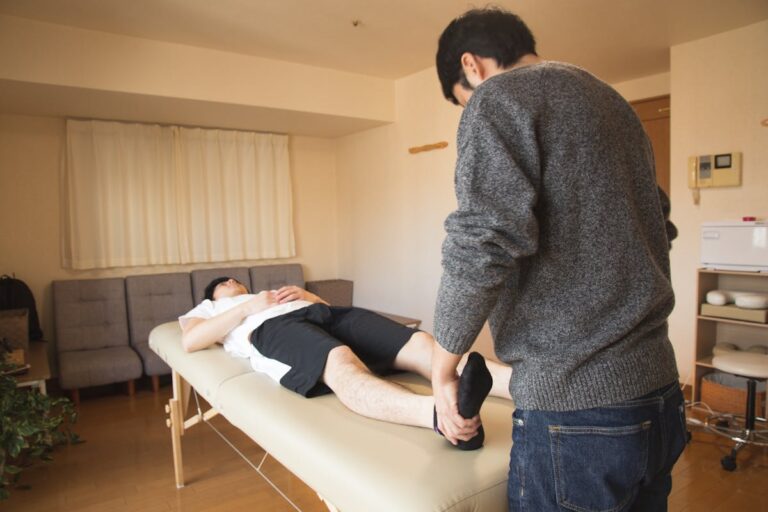
In the aftermath of snowboarding and skiing injuries, chiropractic care offers a targeted approach for rehabilitation and pain management. Emphasizing the musculoskeletal system, chiropractors assess biomechanical dysfunctions resulting from trauma. The integration of rehabilitative exercises plays a pivotal role in restoring joint mobility and muscular strength. These exercises, customized to the patient’s specific injury, target functional recovery by enhancing proprioception and neuromuscular coordination. Corrective bracing is employed to stabilize injured structures, offering support and preventing further damage during the healing process. Bracing assists in maintaining anatomical alignment, which is indispensable for effective rehabilitation. By focusing on these aspects, chiropractic care not only facilitates physical recovery but also aims to optimize overall function and prevent future injuries.
How Chiropractic Adjustments Aid in Pain Relief
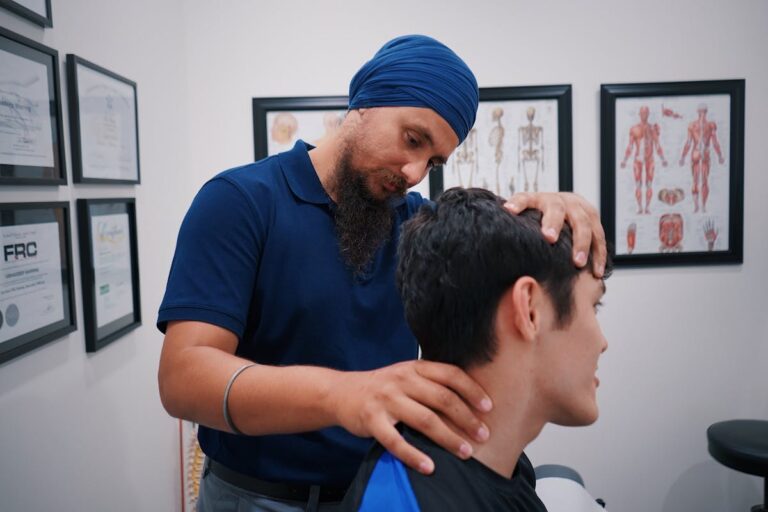
Chiropractic adjustments play a vital role in pain relief by addressing spinal misalignments, which can disrupt nervous system function and contribute to discomfort. Through precise manipulative techniques, chiropractors aim to restore proper alignment, thereby alleviating pressure on nerves and reducing muscle tension. This approach not only targets the source of pain but also enhances overall musculoskeletal function, promoting a more efficient recovery process.
Realign Spinal Misalignments
When the intricate alignment of the vertebral column is disrupted due to a snowboarding or skiing injury, chiropractic adjustments become pivotal in restoring proper spinal configuration. This therapeutic intervention targets vertebral subluxations, which are minor dislocations that interfere with neural pathways. By applying controlled forces to specific spinal segments, chiropractors aim to restore spinal balance and improve spine stabilization. The precise manipulation of these vertebrae facilitates the realignment process, optimizing biomechanical function and reducing stress on surrounding tissues. Enhanced alignment contributes to the alleviation of pain symptoms by allowing unhindered nerve transmission and promoting efficient movement patterns. Ultimately, such interventions not only address immediate discomfort but also foster long-term spinal health, minimizing the risk of recurrent misalignments and associated complications.
Reduce Muscle Tension
The integration of chiropractic adjustments into the treatment regimen following a snowboarding or skiing injury plays a pivotal role in reducing muscle tension. These adjustments are meticulously focused on achieving muscle relaxation and tension release, which are often compromised due to trauma or overuse in such injuries. Chiropractic interventions target specific spinal segments and associated musculature, enhancing neuromuscular function. By optimizing spinal biomechanics, adjustments facilitate the release of tension in paraspinal muscles and other affected areas. This therapeutic approach aids in the reduction of hypertonicity and the restoration of normal muscle function, promoting an environment conducive to healing. Consequently, patients experience a decrease in pain intensity and an improvement in mobility, essential for rehabilitation and return to activity.
Improving Mobility and Flexibility Through Chiropractic Techniques
How can chiropractic techniques specifically target the enhancement of mobility and flexibility following a snowboarding or skiing injury? Chiropractic care focuses on restoring and maximizing musculoskeletal alignment, which directly contributes to increased range of motion and better joint function. Techniques such as spinal adjustments and mobilization are employed to realign vertebral subluxations and address joint restrictions. These interventions facilitate biomechanical correction, promoting enhanced physiological movement patterns. Soft tissue therapy, including myofascial release, targets muscular adhesions, further augmenting flexibility by reducing tension surrounding affected joints. Chiropractors may also incorporate stretching protocols and proprioceptive exercises tailored to individual needs, ensuring thorough rehabilitation. By addressing both joint and soft tissue components, chiropractic interventions effectively improve mobility and flexibility post-injury, fostering ideal recovery trajectories for snowboarders and skiers.
Reducing Inflammation With Chiropractic Interventions
Following the enhancement of mobility and flexibility, addressing inflammation becomes a pivotal component in the recovery from snowboarding or skiing injuries. Chiropractic interventions focus on managing inflammation to optimize recovery. Techniques used include:
- Soft Tissue Manipulation: Targets muscle and fascia to reduce swelling, enhance circulation, and decrease inflammatory markers.
- Cryotherapy: Application of cold packs to injured areas to constrict blood vessels, thereby minimizing edema and inflammatory responses.
- Ultrasound Therapy: Utilizes sound waves to penetrate deep tissues, promoting cellular repair and reducing local inflammation through increased blood flow.
- Electrical Stimulation: Employs electrical impulses to stimulate nerves and muscles, which can interrupt pain signals and reduce inflammation.
The Importance of Spinal Alignment for Overall Health
Proper spinal alignment plays a critical role in maintaining ideal nervous system function, as misalignments can disrupt neural pathways and impede communication between the brain and body. This physiological alignment is essential not only for preventing neurological disturbances but also for enhancing physical performance by ensuring efficient biomechanical movement. Post-injury chiropractic interventions aim to restore spinal integrity, thereby supporting overall health and facilitating recovery.
Impact on Nervous System
While spinal alignment plays a pivotal role in maintaining ideal nervous system function, misalignments caused by snowboarding or skiing injuries can disrupt neural pathways, leading to a cascade of health issues. Effective chiropractic interventions focus on realigning the spine to guarantee:
- Nerve Function Optimization: Proper alignment enhances neural conductivity, facilitating efficient communication between the brain and the periphery.
- Spinal Cord Protection: Corrective adjustments help shield the spinal cord from undue pressure, preventing potential long-term damage.
- Reduction of Inflammatory Responses: Realignment can decrease inflammation around neural tissues, alleviating pain and promoting healing.
- Improved Autonomic Regulation: By restoring alignment, chiropractic care supports better autonomic nervous system regulation, enhancing critical organ function.
These targeted interventions emphasize the importance of addressing spinal misalignments for essential nervous system health.
Enhanced Physical Performance
Spinal alignment does more than support nervous system functionality; it is fundamental to enhancing physical performance, particularly after snowboarding or skiing injuries. Proper alignment optimizes biomechanical efficiency, facilitating increased agility and enhanced muscle coordination. Misalignments, or subluxations, disrupt neural pathways, impairing proprioceptive feedback essential for balance and coordination. Chiropractic adjustments correct these misalignments, restoring vertebral alignment and promoting neuromuscular integrity. This process enhances the body’s kinetic chain, ensuring synergistic muscle function indispensable for high-demand sports like snowboarding or skiing. The physiological outcome is improved range of motion and dynamic stability, pivotal for executing complex maneuvers on the slopes. By addressing spinal health, chiropractic care supports athletes in achieving peak performance post-injury, emphasizing the importance of spinal alignment in holistic recovery.
Integrating Chiropractic Care With Traditional Medical Treatments
Integrating chiropractic care with traditional medical treatments can optimize recovery outcomes for patients suffering from snowboarding or skiing injuries. This multidisciplinary approach includes:
- Spinal Alignment: Chiropractic adjustments focus on restoring spinal alignment, alleviating nerve impingements that can exacerbate musculoskeletal pain.
- Rehabilitative Exercises: Tailored exercises enhance muscular strength, flexibility, and proprioception, pivotal for joint stability and injury prevention.
- Nutritional Considerations: A diet rich in anti-inflammatory nutrients supports tissue repair and reduces systemic inflammation, accelerating the healing process.
- Collaborative Care: Coordination between chiropractors and medical doctors guarantees a thorough treatment plan that addresses both acute symptoms and long-term functional recovery.
This integrated model leverages the strengths of each discipline to promote faster healing, improve patient outcomes, and restore ideal biomechanical function after injury.
Preventing Future Injuries With Chiropractic Guidance
How can chiropractic guidance play a pivotal role in preventing future injuries for snowboarding or skiing enthusiasts? By focusing on proper posture techniques and tailored injury prevention strategies, chiropractors can address biomechanical imbalances. These imbalances often lead to musculoskeletal stress, increasing the risk of injury. Emphasizing spinal alignment, chiropractors optimize the kinetic chain, enhancing neuromuscular coordination essential for dynamic winter sports. Additionally, chiropractors educate athletes on ergonomic principles and body mechanics during snowboarding or skiing maneuvers. This education includes exercises that strengthen core stabilizers and improve proprioceptive awareness. Such targeted interventions promote resilience against common injuries like ligament sprains or muscle strains. Through individualized assessments and corrective adjustments, chiropractic care guarantees enthusiasts maintain peak physical condition and reduce the likelihood of recurrent injuries.
Choosing the Right Chiropractor for Winter Sports Recovery
Having established the benefits of chiropractic guidance in preventing future injuries, attention shifts to selecting an appropriate chiropractor for winter sports recovery. Identifying the right professional involves a systematic approach to guarantee optimal anatomical alignment and expedited rehabilitation. Consider the following criteria:
- Credentials: Prioritize selecting chiropractor credentials, confirming they are licensed and accredited by recognized chiropractic associations.
- Experience: Focus on finding experienced chiropractors with a proven track record in treating snowboarding and skiing injuries, highlighting their familiarity with common musculoskeletal issues such as spinal misalignments and soft tissue damage.
- Specialization: Evaluate chiropractors specializing in sports medicine, as they possess the expertise to tailor rehabilitation protocols specific to winter sports injuries.
- Patient Reviews: Analyze patient feedback to gauge satisfaction and success in recovery, offering insights into the chiropractor’s effectiveness and approach.
Frequently Asked Questions
How Soon After an Injury Should I Start Chiropractic Treatment?
Following an injury, an immediate chiropractic evaluation is vital to assess musculoskeletal damage. This allows for the development of a tailored rehabilitative treatment plan, focusing on anatomical alignment and functional recovery to mitigate potential long-term complications.
Can Chiropractic Care Help With Mental Recovery After a Snowboarding Injury?
Chiropractic care can enhance mental recovery by promoting improved mood and better sleep quality. Adjustments may optimize nervous system function, alleviating stress and enhancing overall well-being, which are pivotal for psychological resilience following traumatic physical injuries.
Are There Exercises I Can Do at Home to Support Chiropractic Treatments?
The current inquiry pertains to home exercises supporting chiropractic treatments. Strengthening core muscles and improving flexibility through exercises like planks, bridges, and dynamic stretching can enhance spinal stability and optimize therapeutic outcomes in chiropractic care.
What Are the Costs Associated With Chiropractic Care for Winter Sports Injuries?
The costs associated with chiropractic care vary widely, often influenced by insurance coverage and available payment plans. Treatments typically involve spinal adjustments, soft tissue therapy, and rehabilitative exercises, which collectively address musculoskeletal dysfunction and promote neuromuscular recovery.
How Do I Know if a Chiropractor Is Experienced With Sports-Related Injuries?
To assess a chiropractor’s experience with sports-related injuries, review their qualifications, such as certifications in sports medicine, and seek testimonials from athletes. This guarantees expertise in anatomical adjustments and targeted treatment protocols for enhanced recovery.