The Role of Chiropractic in Treating Sports-Related Concussions
Chiropractic care is emerging as a significant component in the management of sports-related concussions. By focusing on spinal alignment and nervous system health, chiropractors offer a unique approach that complements traditional treatments. Techniques like spinal adjustments may alleviate symptoms such as headaches and dizziness, aiding recovery. The integration of chiropractic care with conventional concussion protocols presents a promising area for further exploration, potentially enhancing outcomes for affected athletes.
Understanding Sports-Related Concussions
How do sports-related concussions differ from other types of head injuries? Sports-related concussions are characterized by distinct patterns of neurotransmitter disruptions and physiological imbalances. Unlike other head injuries, these concussions often result from repetitive, sub-concussive impacts rather than a single traumatic event. This repetitive nature can lead to cumulative damage, altering cerebral function. The acute phase involves neurotransmitter disruptions, where excitatory neurotransmitters like glutamate are excessively released, contributing to neuronal stress and energy deficits. Additionally, physiological imbalances occur as ionic homeostasis is disturbed, leading to calcium influx and mitochondrial dysfunction. These processes can impair neural connectivity and cognitive function, differentiating sports-related concussions from other head injuries. Comprehending these specific mechanisms is essential for developing targeted intervention strategies and effective management protocols.
The Science Behind Chiropractic Care
Chiropractic care focuses on the alignment of the nervous system, particularly its impact on spinal cord health, which is essential for ideal brain-body communication. Misalignments in the spine, often referred to as subluxations, are believed to disrupt neural pathways and may aggravate symptoms associated with sports-related concussions. By restoring proper alignment, chiropractic interventions aim to enhance neuromuscular efficiency and potentially facilitate recovery from concussion-related impairments.
Nervous System Alignment
When considering the intricate interplay between the nervous system and chiropractic care, one must examine the scientific principles that underpin nervous system alignment. Proper spinal alignment is essential for maintaining ideal neural communication pathways. Misalignments, or subluxations, can disrupt these pathways, potentially impairing the nervous system’s ability to transmit signals efficiently. Chiropractic adjustments aim to correct such misalignments, thereby enhancing neurological function. Studies suggest that when spinal alignment is restored, there is an improvement in the body’s ability to process and respond to neurological inputs. This is particularly relevant in the context of sports-related concussions, where restoring neural pathways is critical. By focusing on alignment, chiropractors seek to maximize the nervous system’s performance, contributing to both recovery and overall neurological health.
Spinal Cord Health
Addressing spinal cord health is a critical aspect of chiropractic care, particularly in the domain of sports-related injuries such as concussions. The spinal cord serves as a necessary conduit for neural communication, and its resilience is fundamental in injury recovery and prevention. Chiropractic interventions aim to enhance spinal cord flexibility and spinal cord strengthening, which are indispensable for maintaining ideal spinal function and overall neurological health. Techniques such as spinal adjustments and rehabilitative exercises are employed to improve spinal cord flexibility, facilitating better shock absorption and adaptability to physical stressors. Concurrently, targeted strengthening exercises are designed to bolster the musculature surrounding the spine, providing structural support and mitigating the risk of further injury. These approaches underscore the significance of a robust spinal cord in concussion management.
Brain-Body Communication
Effective brain-body communication is a cornerstone of chiropractic care, particularly in the context of managing sports-related concussions. This communication relies on efficient proprioceptive integration, where sensory inputs from muscles and joints inform the brain about body position and movement. Disruptions in proprioceptive signals, a common sequelae of concussions, can impair neuromuscular coordination and balance. Chiropractic interventions aim to restore these pathways, promoting accurate proprioceptive integration. Additionally, vestibular function, responsible for spatial orientation and balance, often becomes compromised post-concussion. By addressing misalignments in the cervical spine, chiropractic adjustments may enhance vestibular function, facilitating improved equilibrium and reducing dizziness. These techniques support the body’s natural healing processes, potentially accelerating recovery from concussion-related impairments in brain-body communication.
How Chiropractic Care Addresses Concussion Symptoms
Chiropractic care has been shown to address specific symptoms associated with sports-related concussions, including headache discomfort, dizziness, and cognitive impairments. Techniques such as spinal adjustments and soft tissue therapy are employed to alleviate headache symptoms and reduce vestibular disturbances contributing to dizziness. Additionally, preliminary studies suggest that chiropractic interventions may enhance cognitive function by improving neurological communication and reducing inflammation.
Alleviating Headache Discomfort
Concussions, a common concern in sports, often result in persistent headaches that can substantially affect an athlete’s quality of life. Chiropractic interventions aim to alleviate headache discomfort by addressing underlying biomechanical issues. Key areas of focus include neck muscle tension and cervical spine mobility, both of which can exacerbate headache symptoms. Evidence-based chiropractic techniques target these areas to:
- Enhance cervical spine alignment, reducing strain on surrounding tissues.
- Improve neck muscle relaxation, decreasing tension-related headache triggers.
- Restore cervical spine mobility, facilitating better range of motion.
- Use precise manual adjustments to correct spinal misalignments, reducing headache frequency.
These targeted strategies provide a non-invasive approach to managing concussion-related headaches, promoting recovery and improving overall well-being for athletes.
Reducing Dizziness Sensations
A significant number of athletes experiencing concussions report dizziness as a persistent and debilitating symptom. Chiropractic care offers a targeted approach to address this issue by focusing on the cervical spine and vestibular system, which are vital for maintaining balance. Through specific adjustments and manipulations, chiropractors aim to realign spinal structures and reduce nerve interference, which can contribute to dizziness. This realignment is posited to enhance neural pathways associated with equilibrium, thereby easing vertigo symptoms. Studies suggest that such interventions may improve proprioceptive feedback, allowing athletes to regain spatial orientation and stability. Chiropractic methods, such as vestibular rehabilitation exercises, complement these adjustments, further supporting the restoration of balance and offering a non-invasive option for athletes seeking relief from concussion-related dizziness.
Enhancing Cognitive Function
How might chiropractic care enhance cognitive function in athletes suffering from concussions? Chiropractic interventions are theorized to positively impact cognitive stimulation and mental sharpness through various mechanisms. Adjustments may influence the central nervous system by optimizing spinal alignment, potentially enhancing neural communication. This improved communication can decrease inflammation and promote cerebral blood flow, critical factors for cognitive recovery.
Key considerations include:
- Spinal adjustments: May enhance neural pathways, facilitating improved cognitive function.
- Neuroplasticity support: Encouraging adaptation and recovery of brain functions post-injury.
- Cerebral blood flow: Potentially increased through chiropractic care, supporting cognitive stimulation.
- Inflammation reduction: Alleviated through chiropractic methods, potentially enhancing mental sharpness.
Techniques Used by Chiropractors for Concussion Management
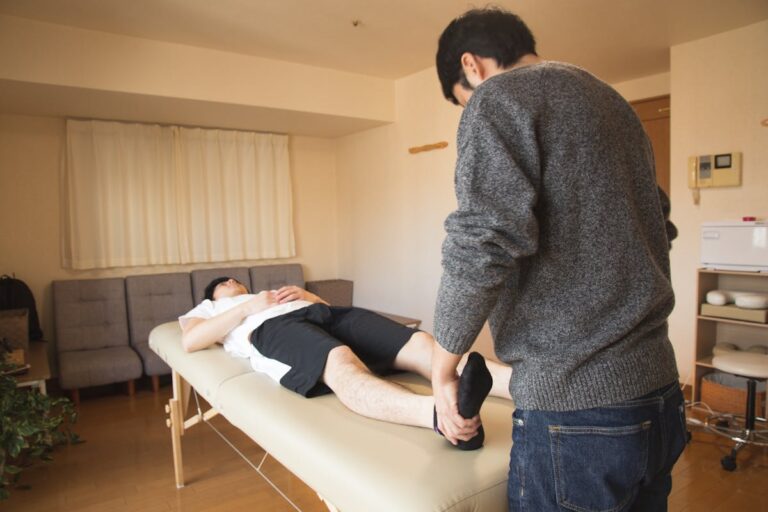
Chiropractors employ several specialized techniques to address concussion management, focusing on alleviating symptoms and promoting neurological recovery. One primary approach involves soft tissue therapies, which aim to reduce muscle tension and improve circulation, thereby facilitating healing. Techniques such as myofascial release and deep tissue massage target specific areas affected by the concussion, potentially reducing headache severity and neck pain. Additionally, manual adjustments are utilized to correct spinal misalignments, particularly in the cervical region, which may occur following head trauma. These adjustments are designed to enhance neural communication and restore balance to the nervous system. Evidence suggests that such interventions can contribute to symptom relief and support recovery by minimizing inflammation and improving overall cranial and spinal function.
Comparing Chiropractic Care to Traditional Concussion Treatments
While traditional concussion treatments primarily focus on rest and gradual return to activities, chiropractic care offers an alternative approach that emphasizes the integration of manual therapies. Chiropractic care may enhance recovery by:
- Supporting rehabilitation programs through targeted exercises.
- Mitigating post concussion syndrome by alleviating musculoskeletal tension.
- Addressing neuromuscular dysfunction, potentially improving overall recovery.
- Enhancing cerebrospinal fluid flow to support neurological health.
Evidence suggests that chiropractic interventions can complement traditional methods by providing additional benefits in managing symptoms. Manual therapies, including soft tissue manipulation, aim to restore balance and function, addressing the physical components of concussions. Although more research is required, current studies indicate potential advantages in integrating chiropractic care with established protocols, offering a more holistic approach to concussion management and recovery.
The Role of Spinal Alignment in Concussion Recovery
Can spinal alignment play a significant role in concussion recovery? Emerging evidence suggests that proper spinal alignment may aid recovery by addressing joint dysfunction and vertebral misalignment. Concussions, often caused by biomechanical forces, can also result in cervical spine issues. Misalignment of the vertebrae may exacerbate neurological symptoms associated with concussions by disrupting neural pathways and impeding cerebrospinal fluid flow. Chiropractic care targets these issues through specific spinal adjustments, aiming to restore normal vertebral positioning and joint function. By correcting joint dysfunction, chiropractic interventions may facilitate neurological recovery, potentially enhancing the body’s natural healing processes. However, current research remains limited, necessitating further studies to establish a definitive causal link between spinal alignment and improved concussion outcomes.
Case Studies: Athletes Benefiting From Chiropractic Interventions
In recent years, documented case studies have highlighted the potential benefits of chiropractic interventions for athletes recovering from concussions. These studies underscore the importance of integrating effective rehabilitation programs and personalized treatment strategies to enhance recovery outcomes. Key findings include:
- Improved Symptom Management: Athletes experienced reduced headache frequency and intensity.
- Enhanced Neurocognitive Function: Notable improvements in attention, memory, and cognitive processing speed.
- Faster Return to Play: Athletes returned to competitive sports more quickly when receiving chiropractic care.
- Holistic Recovery Approach: Combining chiropractic with other therapies provided an extensive recovery strategy.
These case studies emphasize the role of chiropractic interventions in addressing concussion symptoms, facilitating quicker recovery, and promoting overall well-being. Further research is warranted to solidify these findings and establish standardized protocols.
Integrating Chiropractic Care Into Sports Medicine Practices
Chiropractic interventions have shown promise in managing concussion symptoms and facilitating recovery, leading to increased interest in their integration within sports medicine practices. This integration requires a multidisciplinary collaboration involving chiropractors, medical doctors, athletic trainers, and other healthcare professionals. Such collaboration guarantees a thorough, patient-centered approach, optimizing individualized treatment plans for athletes. Evidence suggests that chiropractic care can complement traditional medical treatments, addressing neuromusculoskeletal dysfunctions potentially exacerbating concussion symptoms. Incorporating chiropractic care involves coordinated assessments and tailored interventions, aligned with broader therapeutic strategies. By embedding chiropractic practitioners within sports medicine teams, practitioners can enhance diagnosis accuracy and expedite recovery timelines. Effective integration demands consistent communication and shared decision-making, fostering improved clinical outcomes and athlete safety in concussion management.
Future Directions for Chiropractic in Concussion Treatment
What advancements lie ahead for chiropractic care in the domain of concussion treatment? Emerging research trends suggest a more integrative role for chiropractic in managing sports-related concussions. Future directions emphasize refining clinical guidelines to incorporate chiropractic interventions. Key areas of focus include:
- Evidence-Based Protocols: Developing standardized protocols for chiropractors to effectively contribute to concussion management.
- Multidisciplinary Collaboration: Enhancing the integration of chiropractic care within sports medicine teams for holistic concussion treatment.
- Neurocognitive Assessment Tools: Utilizing advanced diagnostic tools to assess and monitor concussion-related symptoms accurately.
- Post-Concussion Rehabilitation: Implementing chiropractic techniques in post-concussion therapy to support recovery and reduce recurrence.
These developments are crucial in establishing chiropractic care as a foundational component in concussion management, supported by rigorous evidence and precise clinical guidelines.
Frequently Asked Questions
What Qualifications Should a Chiropractor Have to Treat Sports-Related Concussions?
A chiropractor treating sports-related concussions should possess specialized training in neurology and sports medicine. They must demonstrate clinical experience in managing concussions, ensuring proficiency in evidence-based techniques for assessment and rehabilitation, adhering to established medical guidelines.
Are There Any Risks Involved With Chiropractic Treatment for Concussions?
Potential side effects of chiropractic treatment for concussions include headache, dizziness, and discomfort. Safety precautions should involve thorough patient assessment and individualized care plans to mitigate risks, ensuring evidence-based protocols are followed to enhance safety and efficacy.
How Long Does a Typical Chiropractic Session for Concussion Last?
A typical chiropractic session duration for concussion management ranges from 30 to 45 minutes. Treatment frequency varies based on individual needs, often starting with multiple weekly sessions, eventually tapering as improvements in symptoms and function are observed.
Can Chiropractic Care Prevent Future Concussions in Athletes?
Chiropractic care, including cervical adjustments and vestibular rehabilitation, primarily focuses on symptom management rather than prevention. While these techniques may enhance neuromuscular control, evidence does not conclusively support their effectiveness in preventing future concussions in athletes.
How Do Chiropractors Collaborate With Other Healthcare Professionals in Concussion Cases?
Chiropractors often engage in a multidisciplinary approach, working alongside neurologists, physiotherapists, and primary care physicians. They guarantee treatment plan coordination, integrating manual therapies with medical and rehabilitative strategies for exhaustive concussion management. Collaboration enhances patient outcomes.