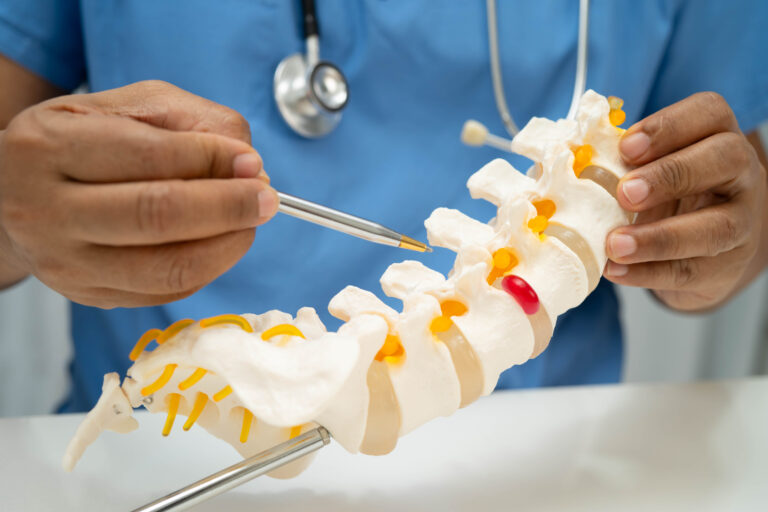

How Chiropractic Adjustments Relieve Jaw Tension and Headaches
Chiropractic adjustments offer a scientifically grounded approach to mitigating jaw tension and headaches. By correcting spinal misalignments, especially in the cervical spine, chiropractors aim to restore ideal neurological function and muscular equilibrium. These adjustments target nerve impingements and abnormal tension in facial muscles, fundamental for alleviating TMJ-related discomfort and headaches. Understanding the intricate connection between spinal health and craniofacial pain is essential for those seeking lasting relief. Explore how chiropractic care could redefine your path to wellness.
Understanding Jaw Tension and Headaches
Jaw tension and headaches often manifest as interconnected symptoms that can substantially influence an individual’s quality of life. They are frequently linked to muscle imbalances and joint dysfunction within the temporomandibular joint (TMJ) and surrounding structures. Muscle imbalances, particularly in the masticatory muscles, can cause abnormal tension, leading to increased strain and subsequent headache development. Additionally, joint dysfunction within the TMJ may exacerbate discomfort, as it alters normal movement patterns, contributing to a cycle of pain and tension. Recognizing the intricate relationship between these factors is essential for effective management. A thorough patient assessment, focusing on identifying the root causes of muscle imbalances and joint dysfunction, enables targeted therapeutic interventions aimed at alleviating symptoms and restoring functional harmony.
The Role of the Spine in Jaw and Head Pain
Exploring the interconnectedness of jaw tension, headaches, and spinal health reveals a complex and multifaceted relationship. The cervical spine alignment plays an essential role in maintaining optimal temporomandibular joint function. Misalignment in the cervical spine can lead to:
- Muscle Imbalance: Disruption in cervical alignment may cause compensatory muscle activity, contributing to jaw tension.
- Nerve Impingement: Misaligned vertebrae can impinge nerves, disrupting neural pathways that regulate jaw function and worsen headache symptoms.
- Postural Changes: Poor posture due to cervical misalignment can strain the temporomandibular joint, increasing susceptibility to pain and dysfunction.
Understanding these connections is indispensable for patients experiencing jaw pain and headaches, as addressing cervical spine alignment can substantially improve temporomandibular joint function and alleviate related symptoms.
How Misalignment Affects the Nervous System
A significant number of individuals suffer from nervous system disruptions due to spinal misalignment, particularly in the cervical region. The cervical spine, when misaligned, can lead to spinal nerve root impingement, adversely affecting nervous system functioning. This impingement results in compromised signal transmission between the brain and various body parts, manifesting as symptoms such as jaw tension and headaches. The misalignment exerts abnormal pressure on the spinal nerve roots, causing neural interference and heightened sensitivity to pain stimuli. Such disruptions necessitate precise diagnostic evaluations to determine the extent of nerve involvement. Addressing these issues is pivotal for restoring ideal nervous system functioning, thereby alleviating associated symptoms and improving patients’ quality of life. Recognizing the connection between spinal alignment and neurological health is essential for effective management.
Techniques Used in Chiropractic Adjustments
Chiropractors utilize an array of techniques to alleviate jaw tension and headaches, with manual spinal manipulation being a cornerstone practice. This involves precise adjustments to the vertebrae to restore ideal alignment and enhance neurological function. Additionally, targeted muscle release is employed to reduce muscular tension and improve range of motion, providing holistic relief for patients.
Manual Spinal Manipulation
Manual spinal manipulation serves as a cornerstone technique in chiropractic care, especially for individuals suffering from jaw tension and headaches. This procedure focuses on vertebral manipulation, aiming to restore proper spinal alignment and enhance neuromuscular function. Chiropractors employ mobilization techniques to facilitate ideal movement in the vertebral joints, which can alleviate pressure on adjacent cranial structures.
The following steps are commonly utilized in manual spinal manipulation:
- Assessment: Thorough evaluation of the patient’s spine to identify misalignments and areas of restricted motion.
- Adjustment: Application of precise, controlled force to reposition vertebrae, thereby reducing nerve interference.
- Reassessment: Monitoring post-adjustment spinal alignment and functional improvement to verify desired outcomes.
Such interventions can lead to significant relief in jaw tension and headache symptoms, contributing to overall well-being.
Targeted Muscle Release
Targeted muscle release is a specialized technique within chiropractic adjustments that focuses on relieving muscle tension contributing to jaw discomfort and headaches. This approach involves precise application of pressure to specific areas, employing targeted release techniques to alleviate tightness in the temporomandibular joint (TMJ) and surrounding musculature. By employing muscle relaxation methods, chiropractors address the root cause of tension, aiming to enhance mobility and reduce pain. Techniques such as myofascial release and trigger point therapy are pivotal in this process, facilitating the release of constricted muscle fibers and promoting ideal blood flow. Patients often experience significant relief from chronic headaches and jaw tension, as these targeted interventions restore balance to muscle function, contributing to overall well-being and improved quality of life.
The Impact of Chiropractic Care on Jaw Tension
Jaw tension, often manifesting as discomfort or pain in the temporomandibular joint (TMJ), can substantially impact daily activities and quality of life. Chiropractic care plays a pivotal role in alleviating such tension by focusing on enhancing joint mobility and addressing postural imbalances. By improving joint mobility, chiropractors can facilitate the realignment of the TMJ, thereby reducing stress and discomfort. Additionally, postural improvements achieved through chiropractic interventions can alleviate undue strain on the jaw.
The impact of chiropractic care on jaw tension can be categorized into three primary benefits:
- Enhanced Joint Function: Improved mobility reduces mechanical stress.
- Postural Correction: Alignments prevent additional strain on the jaw.
- Pain Alleviation: Decreased tension leads to reduced overall discomfort.
Through these mechanisms, chiropractic care offers a patient-centric approach to managing jaw tension effectively.
Addressing Headaches With Chiropractic Treatment
Frequently, individuals suffering from chronic headaches may find relief through chiropractic treatment, which offers a non-invasive approach to managing this condition. Chiropractors assess the potential causes of jaw tension and underlying conditions contributing to headaches, such as temporomandibular joint dysfunction (TMJ) or cervical spine misalignments. By employing specific adjustments, chiropractors aim to restore proper alignment and function within the musculoskeletal system. This realignment can alleviate nerve compression and reduce muscular tension, which are often implicated in headache pathology. Additionally, chiropractic care may enhance blood flow and promote neurological function, further addressing headache symptoms. Through an in-depth evaluation, chiropractors develop tailored treatment plans that target the root causes, offering a patient-focused solution for those seeking alternatives to pharmacological interventions.
Long-Term Benefits of Regular Chiropractic Sessions
Consistently engaging in regular chiropractic sessions can yield significant long-term benefits for individuals seeking to manage jaw tension and headaches effectively. Chiropractic care focuses on spinal alignment, which indirectly influences various physiological processes. Key long-term benefits include:
- Improved Sleep Quality: Proper spinal adjustments can enhance neural communication, reducing discomfort and promoting restful sleep. This is essential for recovery and overall well-being.
- Reduced Inflammation: By ensuring ideal joint function and reducing nerve irritation, chiropractic sessions help minimize inflammatory responses that contribute to jaw tension and headaches.
- Enhanced Musculoskeletal Function: Regular adjustments maintain the integrity of the musculoskeletal system, reducing the frequency and intensity of tension-related headaches.
These benefits underscore the importance of consistent chiropractic care for patients aiming to achieve sustained relief from chronic jaw and headache discomfort.
Combining Chiropractic Care With Other Therapies
Chiropractic care, when integrated with complementary therapies such as physical therapy, massage, and acupuncture, can often enhance outcomes for patients suffering from jaw tension and headaches. This integrated holistic approach allows for a more extensive assessment of musculoskeletal and neuromuscular disorders. By incorporating multiple modalities, healthcare professionals can develop personalized treatment plans tailored to the specific needs of each patient. These plans may include chiropractic adjustments to realign the spine, massage therapy to alleviate muscle tension, or acupuncture to stimulate energy flow and reduce pain perception. Such a multidisciplinary strategy not only targets the symptoms but also addresses underlying causes, promoting overall well-being. This synergy between chiropractic care and other therapies often results in improved patient outcomes and sustained relief.
Finding the Right Chiropractor for Your Needs
Selecting an appropriate chiropractor involves evaluating several critical factors, including credentials and experience, which guarantee the practitioner is qualified to address specific conditions such as jaw tension and headaches. Additionally, understanding the range of treatment techniques offered can provide insight into how well a chiropractor’s approach aligns with the patient’s therapeutic needs. Ultimately, considering the location and accessibility of the practice is essential for facilitating regular visits and promoting a seamless integration into the patient’s healthcare routine.
Credentials and Experience
When considering chiropractic care for jaw tension and headaches, identifying a qualified chiropractor with the appropriate credentials and experience is essential. A chiropractor’s education background establishes the foundation of their expertise. It is critical to guarantee they have graduated from an accredited chiropractic college. Continuous learning is also paramount; a chiropractor must engage in ongoing education to stay abreast of the latest advancements in chiropractic methodologies. To find a practitioner who meets these criteria, consider the following:
- Verify Credentials: Confirm that the chiropractor is licensed and possesses the necessary board certifications.
- Assess Experience: Evaluate their experience in treating jaw tension and headaches specifically.
- Research Reviews: Investigate patient testimonials and reviews to gauge satisfaction and outcomes.
This thorough vetting process ensures optimal care.
Treatment Techniques Offered
In the pursuit of effective relief from jaw tension and headaches, understanding the range of treatment techniques offered by a chiropractor is paramount. Expert practitioners employ a variety of approaches tailored to individual patient needs. Rehabilitative exercises are frequently prescribed to enhance muscular strength and flexibility, thereby supporting the structural integrity of the jaw and alleviating tension. Additionally, corrective bracing may be utilized to guarantee proper alignment and function, reducing strain on the temporomandibular joint. A chiropractor may incorporate spinal adjustments and soft tissue therapy to address musculoskeletal imbalances contributing to headaches. These inclusive treatment plans are designed to provide not just symptomatic relief, but long-term improvements, highlighting the importance of selecting a chiropractor who is adept in these specialized techniques.
Location and Accessibility
How can individuals navigate the myriad of factors involved in selecting the ideal chiropractor to address jaw tension and headaches? A systematic approach is crucial, focusing on the availability of convenient locations and accessibility options. Consider these criteria:
- Proximity: Prioritize chiropractors situated in easily reachable areas, reducing travel-induced stress and time constraints for patients.
- Accessibility Features: Evaluate facilities for ramps, elevators, and other accommodations that guarantee ease of access for individuals with mobility challenges.
- Operational Hours: Select practices offering flexible scheduling, including evenings or weekends, to accommodate diverse patient needs.
Frequently Asked Questions
How Soon Can I Expect Relief After a Chiropractic Adjustment?
Patients may experience immediate improvements post-adjustment, though sustained benefits often require multiple sessions. The variability in response time hinges on individual physiology and severity of the condition, emphasizing personalized treatment plans for ideal outcomes and patient satisfaction.
Are There Any Risks Associated With Chiropractic Adjustments for Jaw Tension?
Chiropractic adjustments for jaw tension may involve potential complications such as joint instability or increased discomfort. Long-term effects are generally minimal when performed by qualified practitioners, though patients should discuss individual health conditions with their chiropractor to mitigate risks.
Can Chiropractic Care Help With Jaw Tension Caused by Stress or Anxiety?
Chiropractic care can address jaw tension caused by stress or anxiety by correcting muscle imbalance and alleviating jaw clenching. This patient-centric approach employs specific adjustments to restore proper alignment, promoting relaxation and reducing stress-induced musculoskeletal strain.
Is Chiropractic Treatment Safe for Pregnant Women Experiencing Jaw Tension?
Prenatal chiropractic safety is well-documented, with adjustments being generally safe for pregnant women. Chiropractic treatment efficacy for jaw tension during pregnancy is promising, as it addresses musculoskeletal alignment, potentially alleviating discomfort without medication, aligning with patient-centric care principles.
How Much Do Chiropractic Sessions Typically Cost for Jaw Tension Relief?
Chiropractic sessions for jaw tension relief can vary, typically ranging from $30 to $200 per visit. Insurance coverage and payment plans may ease financial burdens, making treatments more accessible for patients seeking non-invasive, holistic healthcare solutions.