How to Support Your Spine Post-Surgery Without Medications
Post-surgical spinal recovery can be greatly bolstered through non-pharmacological methods that focus on physical rehabilitation. Gentle, low-impact exercises such as walking or swimming promote flexibility and strength while minimizing pressure on the spine. Incorporating proper posture techniques and consulting healthcare professionals for tailored exercise plans are essential. Discover how nutritional adjustments, hydration, and mindfulness can further enhance healing and core stability, offering a holistic approach to recovery without relying on medications.
The Importance of Physical Therapy
Although recovering from spine surgery can be challenging, physical therapy plays an essential role in ensuring a successful rehabilitation process. Evidence suggests that structured rehabilitative techniques contribute markedly to restoring spinal function and reducing pain. Physical therapy involves a range of interventions tailored to individual needs, emphasizing personalized programs that cater to specific recovery goals. Therapists employ various strategies, including manual therapy, posture correction, and mobility exercises, to enhance strength and flexibility. Research indicates that such targeted approaches optimize the healing process, prevent complications, and promote long-term spine health. By following a customized regimen, patients benefit from improved outcomes and a more efficient return to daily activities. Hence, engagement in physical therapy is pivotal to achieving an extensive recovery post-surgery.
Gentle Exercises for a Stronger Spine
Engaging in gentle exercises post-surgery is essential for building a stronger spine and facilitating recovery. Evidence suggests that incorporating low impact movements can greatly aid in maintaining spinal health while minimizing strain. Activities such as walking, swimming, and yoga are recommended for their ability to enhance flexibility and strength without excessive pressure on the spine.
Proper posture techniques are vital during these exercises to guarantee spinal alignment and prevent further injury. Practitioners should focus on maintaining a neutral spine position, which involves aligning the ears, shoulders, and hips. Consistent practice of these exercises can lead to improved core strength, which supports spinal stability. Additionally, consulting a healthcare professional before beginning any exercise regimen is advised to tailor activities to individual recovery needs.
Nutritional Adjustments for Recovery
How can nutritional adjustments accelerate recovery after spine surgery? A balanced diet rich in pivotal nutrients can markedly aid the healing process. Emphasizing foods high in calcium and vitamin D is essential for bone density improvements, indispensable for spine recovery. Additionally, protein intake supports tissue repair and regeneration. Dietary supplements for healing, such as omega-3 fatty acids, have been shown to reduce inflammation, further promoting recovery. Vitamins C and E, known for their antioxidant properties, can protect cells from damage and support wound healing. Consulting with a nutritionist can tailor dietary plans to individual needs, ensuring ideal intake of essential nutrients. These adjustments not only enhance recovery but also contribute to long-term spinal health and overall wellness.
The Role of Hydration in Healing
Proper hydration is essential for effective healing after spine surgery, as it plays a pivotal role in maintaining cellular function and supporting the body’s natural repair processes. Adequate water intake guarantees that cells receive the hydration necessary for optimum operation, facilitating proper nutrient intake and waste elimination. Hydration also aids in maintaining blood volume, which is indispensable for improved circulation, allowing oxygen and nutrients to reach healing tissues more efficiently.
Research indicates that well-hydrated patients often experience quicker recovery times and reduced complications. It is recommended that individuals recovering from spine surgery consume sufficient fluids daily, adjusting their intake based on activity level and environmental factors. By prioritizing hydration, patients can enhance their body’s ability to heal and recover more effectively from surgical interventions.
Mindfulness and Stress Reduction Techniques
Mindfulness and stress reduction techniques can greatly aid in the recovery process following spinal surgery. Controlled breathing exercises have been shown to reduce stress levels and promote relaxation, which can improve overall healing outcomes. Additionally, meditation practices are effective in providing pain relief and enhancing emotional well-being, supporting patients in managing discomfort and stress more efficiently.
Breathing Exercises Benefits
Breathing exercises play an indispensable role in enhancing mindfulness and reducing stress, especially in the context of post-surgery spine recovery. Diaphragmatic breathing, a technique involving deep breaths that engage the diaphragm, is particularly beneficial. This method encourages full oxygen exchange, which can improve respiratory efficiency and support healing. By focusing on breath regulation, individuals can more effectively manage stress levels, which is pivotal during recovery periods. The slow, deliberate breaths help lower heart rate and stabilize blood pressure, fostering a state of calmness. Additionally, integrating these exercises into daily routines can enhance overall mental clarity, aiding in the management of post-surgical anxiety. Consistent practice of these breathing techniques can markedly contribute to a smoother recovery process and improved well-being.
Meditation for Pain Relief
While recovering from spine surgery, incorporating meditation as a tool for pain relief can be immensely beneficial. Research indicates that practices such as seated mindfulness and guided visualization can extensively reduce pain perception and improve overall well-being. Seated mindfulness involves focusing attention on the present moment, cultivating a non-judgmental awareness of thoughts and sensations. Guided visualization uses imagery to create a state of relaxation, diverting attention from pain.
Key benefits include:
- Reduced Stress Levels: Mindfulness techniques help lower cortisol, reducing stress and promoting healing.
- Improved Emotional Regulation: Meditation fosters a calm mental state, enhancing emotional resilience.
- Enhanced Pain Management: Regular practice can alter pain perception, making discomfort more manageable.
These methods offer a non-pharmacological route to recovery, supporting holistic health.
The Benefits of Massage Therapy
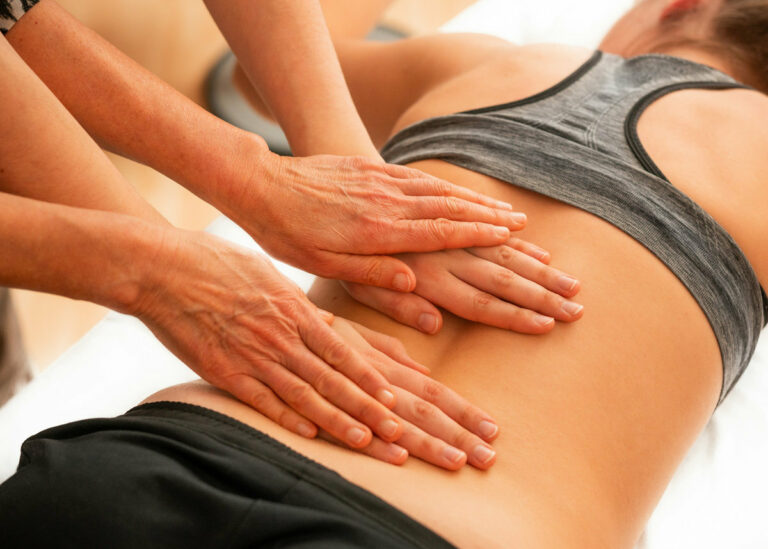
After undergoing spinal surgery, incorporating massage therapy into the recovery process can markedly aid in alleviating pain and enhancing mobility. Evidence suggests that massage utilizes calming techniques to help reduce muscle tension and promote relaxation, which is imperative for post-surgical healing. By employing therapeutic techniques, such as myofascial release and trigger point therapy, massage therapy can effectively address muscle stiffness and improve circulation, facilitating faster tissue repair. These methods, in turn, enhance range of motion and functional abilities, supporting a smoother rehabilitation journey. Additionally, massage therapy has been shown to decrease stress and anxiety levels, contributing to overall well-being. Engaging a reputable massage therapist with experience in post-surgical care is vital to guarantee that techniques are applied safely and effectively.
Incorporating Yoga and Stretching
A growing body of evidence supports the inclusion of yoga and stretching as integral components of post-spinal surgery rehabilitation. These practices can aid in recovery by enhancing flexibility and promoting healing through gentle movements. Proper form techniques are pivotal to prevent strain and maximize benefits. By focusing on muscle strengthening exercises, patients can gradually restore core stability.
Key considerations include:
- Alignment: Confirming correct posture prevents unnecessary pressure on the spine.
- Breathing: Coordinated breathing enhances relaxation and supports movement.
- Progression: Gradual increase in intensity confirms safe adaptation and recovery.
These elements contribute to a balanced rehabilitation program, empowering individuals to regain mobility without relying on medications. Healthcare professionals should be consulted to tailor exercises to each patient’s specific needs and recovery stage.
The Impact of Sleep on Recovery
How does sleep influence the recovery process following spinal surgery? Sleep is a critical component that substantially impacts healing. High sleep quality enhances the body’s ability to repair tissues, reduce inflammation, and manage pain, all indispensable for recovery post-surgery. Disrupted sleep can hinder these processes, delaying healing. Maintaining proper circadian rhythms is essential, as they regulate sleep-wake cycles and influence hormonal balance. Consistent sleep patterns help synchronize these rhythms, promoting restorative sleep phases that accelerate recovery. Research indicates that patients with ideal sleep environments and routines experience reduced post-operative complications. Encouraging good sleep hygiene, such as a dark, quiet bedroom and regular sleep schedules, can support the spine’s healing by fostering perfect rest and recovery conditions.
Building a Supportive Environment for Healing
Creating an ideal environment for healing is essential for patients recovering from spinal surgery. An evidence-based approach suggests focusing on three key areas: creating a comfortable workspace, establishing a daily routine, and optimizing home settings. A supportive environment aids in reducing stress and promoting recovery.
- Creating a comfortable workspace: Ensuring ergonomic furniture and accessibility to essentials minimizes strain and enhances comfort.
- Establishing a daily routine: Consistent schedules for meals, rest, and activities can provide structure and stability, contributing to emotional and physical well-being.
- Optimizing home settings: Simple adjustments, like removing trip hazards and ensuring adequate lighting, can prevent accidents and promote safety.
Adhering to these strategies can foster a conducive atmosphere for healing, ultimately supporting a smooth and effective recovery process.
Frequently Asked Questions
How Long Should I Wear a Back Brace Post-Surgery?
Following spine surgery, the duration of wearing a back brace varies. It’s essential to maintain proper sitting posture and incorporate a gradual exercise routine. Typically, doctors advise wearing it for several weeks, adjusting based on recovery progress.
Can I Drive a Car After Spine Surgery?
After spine surgery, driving precautions are essential. Patients should consult their surgeon for personalized advice. Typically, driving is discouraged until adequate healing occurs. Pain management strategies, such as physical therapy exercises, can aid recovery and improve mobility.
Is It Safe to Travel by Air Post-Surgery?
Air travel post-spine surgery requires careful consideration. It is vital to maintain a proper sitting posture during flights and minimize movement during travel. Consulting with healthcare providers guarantees safe and comfortable journey, reducing potential complications.
How Soon Can I Return to Work After Spine Surgery?
The timeline for returning to work post-spine surgery varies. Evidence suggests initiating light physical activity and a gradual return can aid recovery. Consulting with a healthcare professional guarantees/safeguards/ascertains that activities align with individual healing progress and work demands.
What Is the Recommended Timeline for Resuming Sexual Activity?
The appropriate recovery timeline for resuming sexual activity post-spine surgery varies. Generally, a gradual reintroduction is recommended, often starting six weeks post-operation, contingent on individual healing and physician guidance to guarantee safety and comfort.