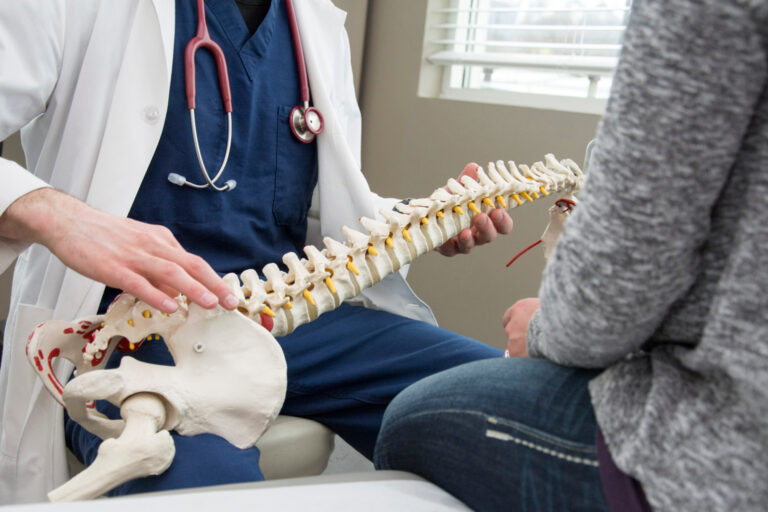

Prehab Before Spine Surgery: The Chiropractor’s Role
Prehabilitation is gaining traction for its potential to boost outcomes in spine surgery. Chiropractors, with their expertise in spinal adjustments, are pivotal in this pre-surgical phase. By enhancing musculoskeletal function and core strength, they help patients achieve better post-operative results. Evidence supports these interventions as essential for joint mobility and pain reduction. This patient-centered approach, rooted in collaboration with medical teams, offers intriguing possibilities for those facing spine surgery.
Understanding Prehabilitation and Its Benefits
Prehabilitation, often referred to as “prehab,” serves as a proactive approach to enhance patient outcomes before undergoing spine surgery. It emphasizes a holistic perspective, prioritizing rehabilitative goals tailored to individual needs. Prehab involves a structured regimen of physical exercises, nutritional guidance, and mental preparedness designed to optimize a patient’s physical condition. This patient-centered strategy fosters a deeper understanding of the surgical process through detailed patient education. By informing patients about what to expect and how to manage their recovery, prehabilitation empowers them, reducing anxiety and promoting adherence to post-surgical protocols. Evidence-based research supports the effectiveness of prehab in improving surgical outcomes, minimizing complications, and expediting recovery, ultimately leading to a more successful rehabilitation journey for spine surgery patients.
The Role of Chiropractors in Pre-Surgical Care
Chiropractors play a significant role in pre-surgical care by employing techniques such as spinal adjustments and manual therapies to enhance musculoskeletal function. Evidence suggests that these interventions can improve patients’ physical readiness and potentially reduce postoperative recovery time. By focusing on individualized, patient-centered treatment plans, chiropractic care aims to optimize overall health and address specific concerns prior to spine surgery.
Chiropractic Techniques Explained
In the domain of pre-surgical care for spine surgery, the strategic inclusion of chiropractic techniques can play an essential role in preparing patients for successful outcomes. Chiropractors employ joint mobilization techniques to enhance joint function, reduce pain, and increase mobility, which can considerably benefit patients facing spine surgery. By using gentle, controlled movements, chiropractors aim to restore normal motion to the affected joints. Additionally, spinal decompression methods are utilized to alleviate pressure on spinal nerves, potentially reducing discomfort and improving spinal health. These evidence-based interventions focus on aligning the spine and optimizing its function. A patient-centered approach guarantees that each technique is tailored to the individual’s needs, fostering a holistic preparation for the upcoming surgical procedure.
Benefits of Chiropractic Care
While preparing for spine surgery, patients often explore various therapeutic options to guarantee satisfactory recovery, and chiropractic care emerges as a valuable component in this pre-surgical regimen. This approach emphasizes proper spinal alignment, which is indispensable for reducing pressure on nerves and enhancing overall spinal health. By ensuring correct alignment, chiropractors can help alleviate pain and improve mobility, contributing to a more favorable surgical outcome. Additionally, chiropractic care focuses on improved muscle function, which plays a pivotal role in stabilizing the spine and supporting recovery. Evidence suggests that patients engaging in chiropractic prehab may experience less post-operative discomfort and quicker rehabilitation. This patient-centered, holistic approach encourages ideal physical readiness, thereby potentially enhancing the effectiveness of the surgical intervention.
Techniques Chiropractors Use to Prepare Patients
Chiropractors employ a range of evidence-based techniques to optimize patient outcomes in preparation for spine surgery. These techniques typically encompass spinal mobility exercises to enhance flexibility, core strengthening routines to improve stability, and postural alignment techniques to guarantee proper body mechanics. By focusing on these areas, chiropractors aim to foster a holistic approach that promotes physical readiness and supports a smoother surgical recovery.
Spinal Mobility Exercises
A holistic approach to preparing for spine surgery often includes spinal mobility exercises, an essential component in enhancing patient outcomes. Chiropractors employ these exercises to address spinal motion restrictions and improve range of motion limitations, which can greatly influence recovery post-surgery. By focusing on gentle, controlled movements, patients can enhance flexibility and decrease stiffness, fostering an environment conducive to healing. Techniques such as dynamic stretching and careful mobilization help patients regain ideal spinal function, ensuring a smoother surgical experience. Evidence supports that these prehabilitative strategies not only prepare the body physically but also mentally, reducing anxiety and promoting patient engagement in their health journey. Consequently, spinal mobility exercises play a crucial role in a thorough, patient-centered pre-surgical regimen.
Core Strengthening Routines
In preparing patients for spine surgery, a detailed approach encompasses not only spinal mobility but also the strengthening of core muscles. Chiropractors prioritize core strengthening routines, recognizing their indispensable role in optimizing surgical outcomes. Abdominal bracing techniques are employed to stabilize and protect the spine by engaging the deep abdominal muscles. This method enhances patient awareness and control, pivotal for post-surgery recovery. Complementing these techniques are targeted muscle exercises, specifically designed to fortify the transverse abdominis and multifidus muscles. Evidence suggests that these exercises improve functional stability, minimizing complications and aiding rehabilitation. By adopting a patient-centered, evidence-based strategy, chiropractors guarantee patients are well-equipped to face surgery with resilience and confidence, ultimately supporting a smoother recovery process.
Postural Alignment Techniques
Proper alignment forms the foundation of effective spine surgery preparation. Chiropractors emphasize postural alignment techniques to optimize surgical outcomes. By promoting proper sitting posture and correcting spinal imbalances, these techniques aim to reduce stress on the spine and enhance patient recovery. Evidence-based methods such as spinal adjustments, ergonomic education, and personalized exercises are utilized to achieve essential alignment. These approaches are tailored to each patient’s unique needs, ensuring a holistic and patient-centered care plan. The emphasis on correcting spinal imbalances not only aids in reducing pain but also prepares the body for the physical demands of surgery. Through these techniques, chiropractors play a vital role in enhancing patients’ overall spinal health and facilitating a smoother surgical experience.
Strengthening Core Muscles for Better Outcomes
Although often overlooked, strengthening core muscles can substantially enhance recovery outcomes for patients undergoing spine surgery. A holistic approach to prehabilitation emphasizes the importance of core stability through abdominal bracing techniques and targeted muscle strengthening. These methods provide a foundation for improved spinal alignment and post-surgical healing. By engaging the deep abdominal and lumbar muscles, patients can achieve better support for their spine, reducing the risk of post-operative complications. Evidence suggests that targeted muscle strengthening not only aids in faster recovery but also enhances overall functional outcomes. Patient-centered strategies that incorporate these exercises into pre-surgical routines empower individuals to take an active role in their health journey, ultimately contributing to improved long-term results and quality of life.
Enhancing Flexibility and Mobility Pre-Surgery
Enhancing flexibility and mobility before surgery plays a pivotal role in preparing patients for ideal recovery and improving surgical outcomes. An extensive prehab program focusing on joint range of motion improvements and muscle flexibility gains offers significant benefits. Chiropractors can guide patients through tailored exercises to optimize these elements, ensuring the body is well-prepared for the demands of surgery. Evidence-based strategies are essential to create patient-centered approaches that address individual needs and conditions.
- Joint Range of Motion Improvements: Crucial for reducing stiffness and enhancing post-surgical recovery.
- Muscle Flexibility Gains: Contributes to overall functional movement and pain reduction.
- Customized Exercise Plans: Developed to target specific patient limitations and goals.
- Holistic Approach: Emphasizes the integration of physical health and emotional well-being pre-surgery.
Improving Spinal Health Before the Operation
A foundation of ideal spinal health is essential for patients preparing for spine surgery, as it directly influences surgical outcomes and recovery trajectories. Achieving rehabilitative goals prior to surgery involves a thorough approach, emphasizing spinal alignment, strength, and stability. Chiropractors play a vital role in this prehabilitation phase by employing evidence-based techniques tailored to individual needs. Patient education is pivotal, empowering patients with knowledge about maintaining spine health and adhering to personalized exercise regimens. This educational component fosters active participation in their own care, enhancing commitment to pre-surgical routines. By optimizing spinal health, patients not only potentially reduce surgical risks but also improve postoperative recovery times. In this way, the synergy of professional guidance and patient engagement forms the cornerstone of successful pre-surgical preparation.
Psychological Preparation and Stress Reduction
The psychological dimension of prehabilitation is as essential as physical preparation, influencing both surgical outcomes and recovery experiences. Effective mental state management can substantially impact a patient’s journey through spine surgery. Incorporating coping strategies pre-surgery helps in mitigating anxiety and improving overall resilience. Chiropractors play a critical role in guiding patients through psychological readiness, ensuring a comprehensive approach to care. Key elements include:
- Mindfulness practices to enhance focus and reduce stress levels.
- Cognitive-behavioral techniques that empower patients to reshape negative thoughts.
- Relaxation exercises such as deep breathing to promote calmness.
- Education and support to build realistic expectations and confidence.
These evidence-based practices center on the patient’s well-being, fostering a balanced mindset indispensable for ideal surgical recovery.
Collaborating With Surgeons and Medical Teams
Collaboration between patients, surgeons, and medical teams is indispensable for optimizing spine surgery outcomes. A holistic, patient-centered approach necessitates multi disciplinary collaboration, ensuring each professional contributes their specialized expertise. Surgeons and medical teams work closely with chiropractors to develop comprehensive prehabilitation strategies, which may include physical conditioning and pain management plans. Communicating the treatment plan effectively among all parties is imperative. This collaborative effort fosters trust, aligns expectations, and integrates diverse perspectives for a cohesive patient journey. Evidence-based practices guide these interactions, allowing for tailored interventions that address individual patient needs. By uniting diverse healthcare professionals, this cooperative approach enhances surgical preparation and recovery, ultimately improving patient satisfaction and clinical results in spine surgery scenarios.
Success Stories: Patients Who Benefited From Prehab
Many patients have experienced substantial benefits from prehabilitation before undergoing spine surgery. Patient testimonials highlight the role of prehab in achieving positive outcomes, emphasizing its importance as a preparatory step. Notable cases reveal that prehab can dramatically enhance recovery and overall well-being.
- Improved Mobility: Patients report enhanced mobility post-surgery, attributing this to pre-surgical conditioning.
- Reduced Pain Levels: Prehab has been associated with decreased pain, both before and after surgery, leading to a smoother recovery journey.
- Faster Recovery Times: Individuals who engaged in prehab often experience quicker healing and return to daily activities.
- Increased Confidence: Preparing physically and mentally for surgery increases patient confidence, reducing anxiety and stress.
These stories underscore the transformative potential of prehab in spine surgery outcomes.
Frequently Asked Questions
How Long Does Prehabilitation Typically Last Before Spine Surgery?
Pre surgical duration for prehabilitation typically spans 4 to 6 weeks. This ideal prehab timeline allows patients to enhance physical readiness and potentially improve surgical outcomes, emphasizing a holistic, patient-centered, and evidence-based approach to spine surgery preparation.
Are There Any Risks Associated With Prehab Exercises?
Prehabilitation exercises carry potential injury risks and overexertion concerns. A holistic, patient-centered approach guarantees exercises are tailored to individual needs, minimizing risks. Evidence-based practices guide safe progression, addressing unique patient limitations while enhancing surgical outcomes and overall recovery.
Can Prehab Reduce the Overall Cost of Spine Surgery?
Evaluating cost effectiveness, prehab may reduce overall spine surgery costs by improving outcomes and potentially shortening recovery. Insurance coverage implications are significant; patient-centered evidence suggests enhanced recovery can lead to reduced long-term healthcare expenses.
What Are the Signs That Prehab Is Not Working Effectively?
Signs that prehab is not working effectively include increasing pain levels and limited physical progress. A holistic, patient-centered approach should assess these symptoms, indicating the need for an evidence-based review of the individual’s prehab program for ideal outcomes.
How Soon Can I Expect to See Results From Prehabilitation Efforts?
Individuals can typically expect to see prehabilitation results within 4 to 8 weeks. Evidence-based approaches highlight improved mobility and enhanced muscle strength as key outcomes, emphasizing a holistic, patient-centered strategy tailored to individual needs and progress.