
Avoiding Unnecessary Spine Surgery Through Conservative Care
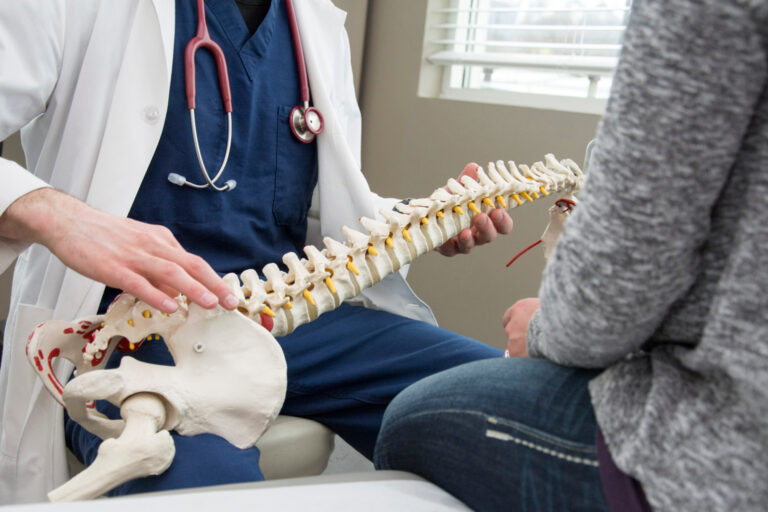
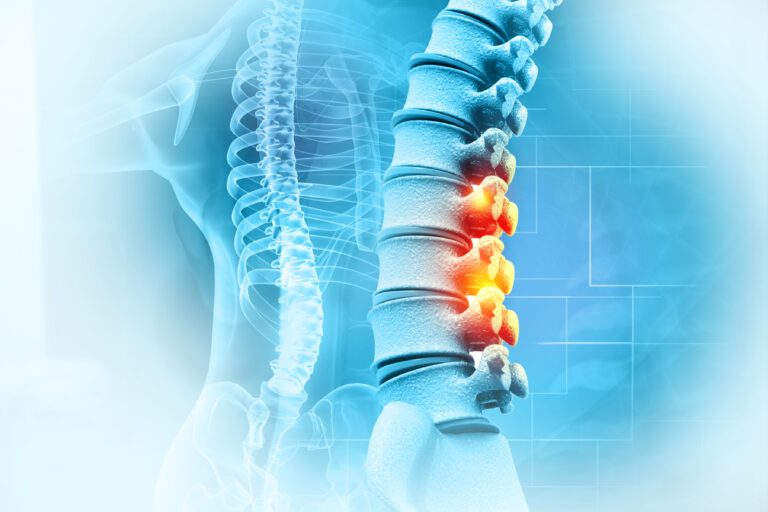
In the domain of spinal health, the pursuit of avoiding unnecessary surgery hinges on the efficacy of conservative care. Experts underscore the importance of initiating treatment with non-invasive methods, such as physical therapy and chiropractic adjustments, to address spinal issues. These interventions, coupled with lifestyle changes like ergonomic adjustments and stress management, offer promising outcomes. As the dangers of spine surgery loom large, understanding when conservative care is advantageous becomes critical.
Understanding the Risks of Spine Surgery
Spine surgery, while often necessary for specific medical conditions, carries inherent risks that must be thoroughly understood. Individuals with underlying medical conditions may face increased susceptibility to surgical complications. These complications can range from infection and blood loss to nerve damage and adverse reactions to anesthesia. The complexity of spinal anatomy necessitates precise surgical intervention, and any deviation can lead to significant postoperative issues. Additionally, the presence of underlying medical conditions such as osteoporosis, diabetes, or cardiovascular disease may exacerbate these risks, complicating recovery and overall surgical success. It is vital for healthcare professionals to conduct extensive preoperative assessments to identify these risks and tailor surgical approaches accordingly. This meticulous evaluation aids in minimizing potential complications and optimizing patient outcomes.
The Role of Physical Therapy in Spine Health
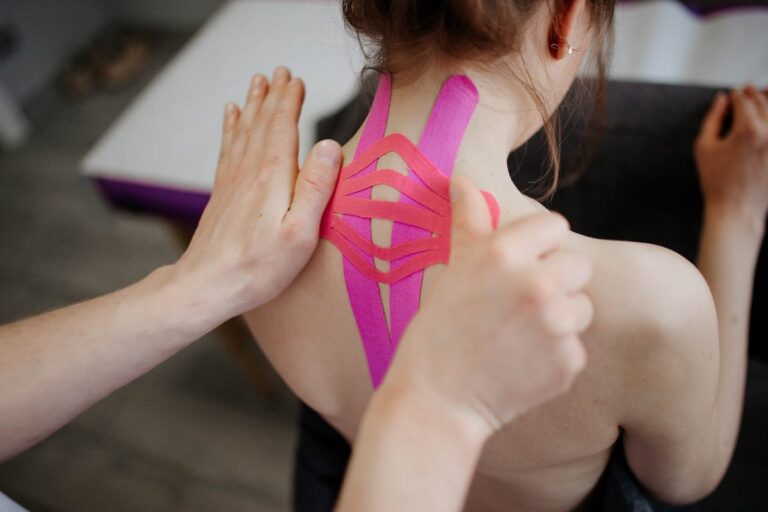
How does physical therapy contribute to maintaining ideal spine health? Physical therapy utilizes targeted interventions to improve spine stability and function. Manual therapy techniques play an essential role, focusing on mobilizing spinal joints and soft tissues to enhance range of motion and reduce pain. Additionally, therapeutic massage facilitates muscle relaxation, decreases tension, and aids in the circulation of blood and lymphatic fluids. This inclusive approach also includes individualized exercise programs tailored to strengthen core musculature, therefore supporting spinal alignment and mitigating undue stress on vertebral structures. By promoting functional movement patterns and postural corrections, physical therapy effectively addresses underlying biomechanical dysfunctions. Consequently, it serves as a pivotal strategy in conservative spine care, potentially reducing the necessity for invasive surgical interventions.
Chiropractic Care as a Safe Alternative
While physical therapy offers substantial benefits for spine health, chiropractic care emerges as another non-invasive approach to managing spinal conditions. This discipline employs evidence-based techniques to address musculoskeletal issues, particularly those affecting the spine. Chiropractors utilize spinal manipulation and adjustments to restore alignment, aiming to alleviate pain and improve function. By focusing on the neuromusculoskeletal system, chiropractic care supports the body’s inherent ability to heal itself. Holistic healing methods, such as lifestyle advice and ergonomic assessments, are integral to this practice, promoting overall wellness and prevention of future injuries. Clinical studies indicate that chiropractic interventions can lead to significant improvements in patient-reported outcomes, reducing the need for invasive procedures. Consequently, chiropractic care represents a viable alternative in exhaustive spine health management.
Importance of Exercise and Stretching
Engaging in regular exercise and stretching is essential for maintaining ideal spine health and preventing unnecessary surgical interventions. A strategic regimen focusing on proper form techniques and muscle strengthening exercises can vastly improve spinal stability and function. Experts recommend a multifaceted approach involving targeted activities to address specific spinal concerns.
- Proper form techniques: Adhering to correct exercise form minimizes injury risk and optimizes spinal alignment.
- Muscle strengthening exercises: Strengthening core and back muscles supports the spine, reducing stress on vertebral structures.
- Flexibility training: Regular stretching enhances range of motion, aiding in the prevention of stiffness and discomfort.
Incorporating these elements into a daily routine secures comprehensive spinal health, potentially circumventing the need for invasive surgical procedures by fortifying the musculoskeletal framework supporting the spine.
Lifestyle Modifications for Back Pain Relief
A thorough approach to lifestyle changes can greatly alleviate back pain and potentially reduce the reliance on surgical interventions. One pivotal modification involves maintaining proper posture, which minimizes spinal strain and helps prevent musculoskeletal imbalances. Ergonomic adjustments to workspaces and daily activities guarantee the spine is supported in its natural alignment. Additionally, managing stress levels plays a significant role in mitigating back pain. Chronic stress can lead to muscle tension and exacerbate pain symptoms, consequently implementing stress-reduction techniques such as mindfulness or cognitive-behavioral strategies is beneficial. Moreover, adequate hydration and balanced nutrition support overall musculoskeletal health. These lifestyle modifications, when integrated consistently into daily routines, serve as effective non-invasive strategies for managing back pain and reducing the potential need for surgical solutions.
Exploring the Benefits of Acupuncture
Acupuncture, an ancient modality grounded in Traditional Chinese Medicine, has garnered attention for its efficacy in pain reduction techniques, particularly in the context of spinal discomfort. Through the strategic insertion of fine needles at specific anatomical points, this practice potentially facilitates the release of endogenous opioids and neurotransmitters, which may contribute to analgesic effects and enhanced mobility. Rigorous clinical studies continue to highlight its role in offering a non-pharmacological, natural approach to managing back pain, consequently presenting a viable alternative to invasive surgical interventions.
Pain Reduction Techniques
How can one harness traditional techniques to alleviate spinal discomfort effectively? Exploring acupuncture provides a fascinating perspective on non-invasive pain reduction. Acupuncture, a cornerstone of traditional Chinese medicine, involves the strategic insertion of fine needles into specific body points to mitigate pain and enhance well-being.
Key benefits include: – Stimulating Endorphin Release: Acupuncture stimulates the body’s opioid system, promoting natural analgesic effects. – Reducing Inflammation: It enhances blood flow, reducing inflammation and promoting healing. – Complementing Other Therapies: When integrated with massage therapy and hot and cold therapy, acupuncture can provide synergistic effects, optimizing pain management.
These techniques collectively offer a holistic approach to spinal discomfort, emphasizing the potential of conservative care over surgical interventions, aligning with the broader aim of avoiding unnecessary spine surgery.
Enhancing Mobility Naturally
While pain reduction remains a central focus in addressing spinal discomfort, enhancing mobility is equally significant in achieving thorough, detailed, or exhaustive spinal health. Acupuncture, a time-honored practice, offers a natural avenue for augmenting joint mobility. By targeting specific meridian points, acupuncture promotes the flow of qi, potentially alleviating stiffness and improving flexibility. This intervention, when combined with joint mobility exercises, can restore functional movement patterns. Additionally, integrating acupuncture with the cultivation of proper posture habits guarantees balanced spinal alignment, reducing undue stress on vertebral structures. The synergistic effect of these modalities fosters a comprehensive approach to spinal health, emphasizing prevention over invasive procedures. Consequently, acupuncture serves as a viable component in conservative spinal care strategies.
Nutritional Approaches to Improve Spine Health
Proper nutrition plays a pivotal role in maintaining spine health, as the spine requires an array of nutrients to function ideally and support overall well-being. Omega 3 fatty acids, found in fish oil, are indispensable due to their anti-inflammatory properties, potentially reducing spinal inflammation and mitigating associated pain. Anti-inflammatory nutrients, such as those found in leafy greens and nuts, also contribute enormously to spinal health by reducing systemic inflammation, which can exacerbate spinal conditions. Additionally, maintaining an adequate intake of vitamins and minerals supports the structural integrity of the spine.
- Omega 3 fatty acids: Essential for reducing spinal inflammation.
- Anti-inflammatory nutrients: Found in foods like nuts and leafy greens.
- Vitamins and minerals: Indispensable for maintaining spinal structural integrity.
Mind-Body Techniques for Pain Management
Mind-body techniques have emerged as critical components in the extensive management of spinal pain, offering non-invasive alternatives that emphasize the interconnectedness of mental and physical health. Meditation techniques, a cornerstone of mind-body approaches, involve focused attention and controlled breathing to reduce stress and enhance pain tolerance. Research indicates that these techniques can modulate neural pathways, decreasing the perception of pain. Mindfulness practices are another essential element, promoting awareness and acceptance of present-moment experiences. By cultivating a non-judgmental awareness of thoughts and sensations, individuals can mitigate the emotional and cognitive impacts of chronic pain. Clinical studies underscore the efficacy of these interventions, showing improvements in overall pain management and quality of life, consequently presenting a viable adjunct to conventional medical treatments.
When to Consider Conservative Care Over Surgery
How can patients discern when conservative care is preferable to surgical intervention for spinal conditions? The decision hinges on evaluating noninvasive intervention options and holistic treatment approaches. Patients should consider conservative care if the spinal condition is not life-threatening and symptoms are manageable. Additionally, when diagnostic imaging reveals no severe structural abnormalities, noninvasive methods are often sufficient. Finally, exploring holistic treatment approaches can be advantageous if the patient’s overall health supports conservative management.
- Noninvasive intervention options: Physical therapy, chiropractic care, and acupuncture.
- Holistic treatment approaches: Mind-body techniques, dietary adjustments, and lifestyle modifications.
- Severity and progression of the condition: Examining whether the condition is stable or worsening.
These factors, when meticulously analyzed, can guide patients in determining the most appropriate course of action.
Frequently Asked Questions
How Effective Are Non-Surgical Treatments for Chronic Back Pain?
Non-surgical treatments for chronic back pain demonstrate significant efficacy, with physical therapy effectiveness and chiropractic care efficacy both contributing to symptom relief. Research indicates these interventions can reduce pain, improve function, and decrease reliance on surgical options.
What Is the Average Recovery Time After Spine Surgery?
The average postoperative recovery timeline following spine surgery varies based on procedure complexity, ranging from six weeks to several months. Typical surgical outcomes depend on factors like patient health, surgical technique, and adherence to rehabilitation protocols.
Are There Any Risks Associated With Delaying Spine Surgery?
Delaying spine surgery poses risks such as potential long-term damage to nerves or spinal structures, potentially exacerbating symptoms. This can adversely impact quality of life by limiting mobility, increasing pain, and hindering daily activities, necessitating expert evaluation.
Can Alternative Therapies Fully Replace the Need for Surgery?
Alternative therapies, encompassing holistic pain management and lifestyle modifications, may reduce or eliminate the need for spine surgery in some cases. However, they may not fully replace surgical intervention, especially in severe structural or neurological conditions requiring prompt surgical correction.
How Do I Know if My Back Pain Requires Urgent Medical Attention?
Individuals should seek urgent medical evaluation if they experience sudden onset pain or severe symptoms, such as numbness, weakness, or loss of bowel/bladder control, as these may indicate critical conditions necessitating immediate intervention.