
Managing Post-Surgical Back Pain With Chiropractic Therapy
Post-surgical back pain can be a significant hurdle in a patient’s recovery journey. Chiropractic therapy offers a holistic approach to addressing this issue by focusing on restoring spinal alignment and promoting healing. Through spinal adjustments, soft tissue therapy, and targeted rehabilitation exercises, chiropractors aim to alleviate discomfort and enhance overall well-being. This patient-centered care not only reduces pharmaceutical dependence but also addresses the root causes of pain, inviting further exploration into its multifaceted benefits.
Understanding Post-Surgical Back Pain
How often do patients find themselves grappling with persistent discomfort even after undergoing back surgery? This scenario is not uncommon, as the complexity of spinal surgeries can sometimes leave residual pain. Understanding post-surgical back pain requires a holistic approach, acknowledging both physical and emotional dimensions. Patients might experience pain due to underlying conditions that were not fully addressed during surgery. These conditions can impede the healing process and hinder the achievement of rehabilitative goals. Factors such as scar tissue formation, nerve irritation, or muscle imbalances contribute to discomfort, complicating recovery. A patient-centered strategy that considers individual histories, surgical outcomes, and ongoing symptoms is pivotal. Ultimately, achieving effective management of post-surgical back pain involves addressing these intricate layers to enhance overall well-being.
The Role of Chiropractic Care in Recovery
When considering the multifaceted journey of recovery, what role does chiropractic care play in the rehabilitation of post-surgical back pain patients? Chiropractic care facilitates recovery through manual therapy techniques that focus on restoring spinal alignment and enhancing neuromuscular function. By addressing biomechanical dysfunctions, chiropractors aim to alleviate discomfort and boost mobility, which are pivotal for post-operative healing. This patient-centered approach emphasizes holistic pain management, integrating spinal adjustments with lifestyle and ergonomic advice to support extensive recovery. By recognizing the interconnectedness of the musculoskeletal system, chiropractic therapy aids in reducing reliance on pharmaceuticals, thereby minimizing potential side effects. As part of a multidisciplinary rehabilitation strategy, chiropractic care can be instrumental in helping patients achieve ideal physical health and improve quality of life post-surgery.
Benefits of Chiropractic Therapy After Surgery
Although surgical intervention is often necessary for addressing severe back issues, the benefits of integrating chiropractic therapy into post-operative care are substantial. Chiropractic therapy, encompassing massage therapy and tailored rehabilitation exercises, plays a pivotal role in enhancing recovery. This holistic approach aids in restoring spinal alignment, reducing pain, and promoting healing. Massage therapy alleviates tension in surrounding musculature, thereby facilitating improved circulation and reducing inflammation. Patient-specific rehabilitation exercises are designed to strengthen core muscles, enhance flexibility, and prevent further injury, fostering a thorough recovery process. By focusing on these modalities, chiropractic therapy not only supports physical rehabilitation but also enhances overall patient well-being. The integration of these techniques into post-surgical care reinforces a patient-centered approach, prioritizing long-term health and functional improvement.
Techniques Used in Post-Surgical Chiropractic Treatment
Post-surgical chiropractic treatment employs specific techniques to facilitate recovery and alleviate discomfort, focusing primarily on spinal alignment and soft tissue therapy. Spinal alignment techniques are utilized to restore proper biomechanics and enhance spinal stability, thereby reducing pain and promoting healing. Complementary to this, soft tissue therapy targets muscle tension and scar tissue, optimizing tissue function and further supporting the patient’s rehabilitation process.
Spinal Alignment Techniques
Spinal alignment techniques serve as a cornerstone in the post-surgical chiropractic treatment plan, focusing on restoring balance and function to the spine. By emphasizing vertebral alignment, these techniques aim to enhance the structural integrity of the spinal column. Chiropractors employ precise spinal mobilization methods to gently encourage the natural movement patterns of the vertebrae, promoting ideal alignment and reducing discomfort. This patient-centered approach is tailored to the unique needs of individuals recovering from surgery, ensuring that interventions are both safe and effective. The use of spinal alignment techniques can mitigate undue stress on surrounding tissues and facilitate a smoother recovery process. By addressing misalignments, these methods contribute to improved mobility and overall well-being, supporting the body’s innate healing capabilities.
Soft Tissue Therapy
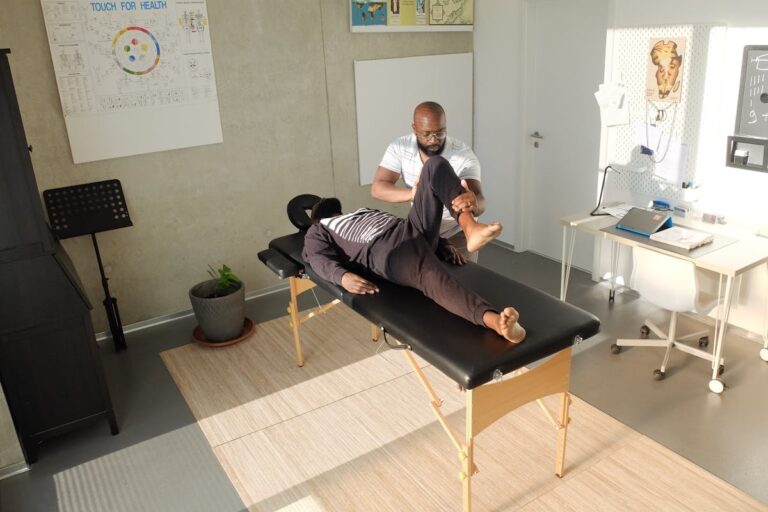
In addition to spinal alignment, soft tissue therapy plays an indispensable role in the post-surgical chiropractic treatment plan by addressing the muscles, ligaments, and fascia that support the spinal structure. Techniques such as myofascial release and soft tissue mobilization are employed to alleviate tension, reduce scar tissue formation, and promote healing. Myofascial release focuses on easing restricted fascia to improve range of motion and reduce pain. Soft tissue mobilization involves manual manipulation to improve circulation and tissue elasticity. These techniques are tailored to the individual’s specific needs, considering their surgical history and current physical condition. By integrating soft tissue therapy, chiropractors aim to enhance functional recovery, minimize post-operative discomfort, and support the body’s natural healing processes, ensuring a patient-centered approach to rehabilitation.
How Chiropractic Adjustments Aid in Pain Relief
Remarkably, chiropractic adjustments can serve as an effective modality in alleviating pain for patients recovering from surgery. By employing spinal manipulation techniques, chiropractors aim to realign the vertebrae, which can alleviate pressure on the nervous system and enhance overall function. This precise method targets misalignments that may contribute to post-surgical discomfort, facilitating a smoother recovery process.
In addition to spinal adjustments, chiropractors utilize muscle relaxation methods to address tension and spasms that often accompany post-surgical back pain. These techniques help to relieve pain by promoting increased blood flow and flexibility, thereby optimizing the body’s natural healing capabilities. By adopting a patient-centered approach, chiropractic therapy offers a holistic solution, focusing on restoring balance and enhancing the patient’s quality of life during recovery.
Reducing Inflammation Through Chiropractic Care
How does chiropractic care effectively combat inflammation, a common challenge in post-surgical recovery? By focusing on targeted inflammation reduction, chiropractic therapy offers a holistic approach to managing post-surgical back pain. Techniques such as spinal adjustments and soft tissue therapy are utilized to enhance blood circulation and alleviate pressure on neural pathways. This process aids in restorative inflammation management, promoting the body’s natural healing mechanisms.
Chiropractic care addresses the underlying sources of inflammation rather than merely masking symptoms. By realigning spinal structures, it optimizes nervous system function, thereby reducing inflammatory responses. This patient-centered approach not only supports the recovery process but also minimizes the reliance on pharmaceuticals. Consequently, chiropractic therapy provides a safe and effective method for reducing inflammation in post-surgical scenarios.
Enhancing Mobility and Range of Motion
In the context of post-surgical recovery, chiropractic therapy plays a pivotal role in restoring joint function and enhancing mobility. By employing targeted adjustments and therapeutic exercises, chiropractors aim to improve flexibility safely, thereby facilitating a smoother rehabilitation process. This patient-centered approach not only aids in alleviating discomfort but also supports the overall functional recovery of individuals following back surgery.
Restoring Joint Function
A pivotal aspect of managing post-surgical back pain involves restoring joint function to enhance mobility and range of motion. Chiropractic therapy plays an instrumental role in this process by focusing on improving joint flexibility and increasing joint stability. Through tailored spinal adjustments, chiropractors aim to align the spinal vertebrae, reducing mechanical stress and facilitating ideal movement patterns. This approach not only alleviates discomfort but also supports the healing of soft tissues surrounding the joints. By incorporating modalities such as manual therapy and targeted exercises, chiropractic care addresses underlying issues impacting joint function. This patient-centered methodology promotes a holistic recovery, ensuring that individuals regain functional independence and quality of life post-surgery, while minimizing the risk of future injury or complications.
Improving Flexibility Safely
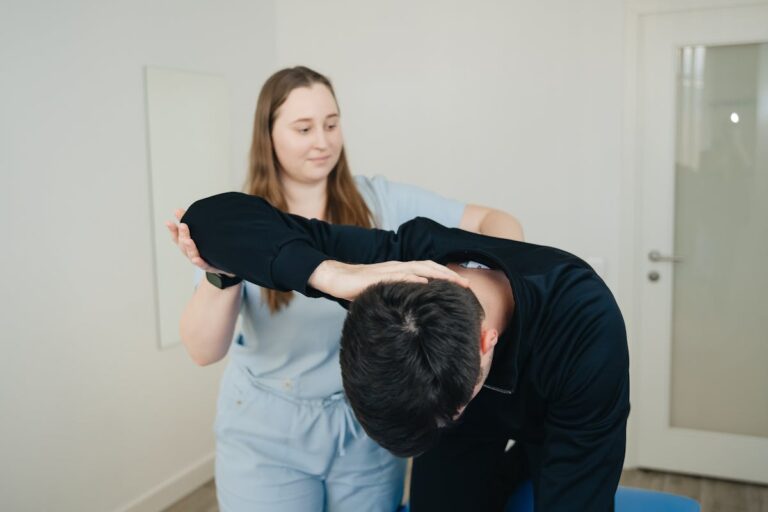
Frequently, post-surgical patients face the challenge of enhancing mobility and range of motion without compromising their recovery process. To address this, chiropractic therapy emphasizes a holistic approach, incorporating gentle stretching techniques tailored to individual needs. These exercises are designed to gradually extend the soft tissues, improving flexibility while minimizing the risk of injury. Emphasizing patient-centered care, chiropractors develop customized plans that incorporate progressive strengthening exercises, aimed at bolstering the muscle groups surrounding the surgical site. This method not only aids in pain reduction but also supports the structural integrity of the back. By focusing on controlled, incremental improvements, patients can safely navigate their recovery, ensuring ideal functional outcomes and facilitating a smoother shift back to their daily activities.
Chiropractic and the Nervous System Connection
Although often overlooked, the intricate relationship between chiropractic therapy and the nervous system is pivotal in managing post-surgical back pain. Chiropractic care focuses on nervous system regulation by addressing misalignments in the spine, which can disrupt neural pathways. This chiropractic nervous system relationship is essential for ideal healing and pain management. By restoring proper alignment, chiropractors facilitate improved communication between the brain and the body, aiding in the body’s natural healing processes.
Incorporating a holistic approach, chiropractic therapy targets the root cause of pain rather than merely alleviating symptoms. This patient-centered method emphasizes individualized care plans, ensuring that treatments are tailored to the specific needs of post-surgical patients. Ultimately, chiropractic therapy supports the nervous system’s role in recovery, promoting overall well-being and functional restoration.
Integrating Chiropractic Therapy Into Your Recovery Plan
Successfully integrating chiropractic therapy into a recovery plan often necessitates a detailed understanding of both the patient’s unique post-surgical needs and the therapeutic potential of chiropractic interventions. A multidisciplinary approach guarantees that chiropractic care complements conventional medical treatment. This integration involves a structured regimen of rehabilitative exercises designed to enhance spinal alignment and improve functional mobility. Patient education is pivotal, empowering individuals with knowledge about their condition and the role of chiropractic therapy in their recovery. By fostering an informed partnership, patients are more likely to adhere to prescribed protocols, enhancing outcomes. Chiropractors can tailor interventions, focusing on neuromusculoskeletal health, to address post-surgical challenges effectively. This holistic approach aids in reducing pain, promoting healing, and facilitating a smoother shift to normal activity levels.
Frequently Asked Questions
Are There Any Risks Associated With Chiropractic Therapy After Back Surgery?
After back surgery, chiropractic therapy may present potential complications, including aggravation of surgical sites and misalignment issues. Long-term effects could involve chronic pain or instability. A patient-centered, holistic approach is essential to balance benefits against risks.
Can Chiropractic Care Help With Scar Tissue Formation Post-Surgery?
Chiropractic care may assist in scar tissue management by enhancing mobility and flexibility through targeted adjustments. This approach supports post-surgical rehabilitation, potentially reducing adhesions and promoting healing, consequently aiding patients in regaining ideal function and comfort.
How Soon After Surgery Can Chiropractic Therapy Begin?
The rehabilitative timeline for commencing chiropractic therapy post-surgery depends on the patient’s recovery progress. Initiating treatment often requires a thorough assessment, ensuring alignment with healing phases and personalized care for ideal outcomes within a holistic, patient-centered approach.
What Should I Expect During My First Chiropractic Session Post-Surgery?
During the initial chiropractic session post-surgery, the patient can anticipate a thorough evaluation. This will include tailored pain management techniques and a personalized recovery timeline, focusing on a holistic approach to facilitate effective healing and well-being.
Are There Specific Conditions Where Chiropractic Therapy Is Not Recommended Post-Surgery?
Chiropractic therapy may not be recommended post-surgery for specific conditions like certain spinal fractures or post-surgical instability. A holistic approach, emphasizing patient-centered care and thorough evaluation, guarantees safe and effective management tailored to individual recovery needs.