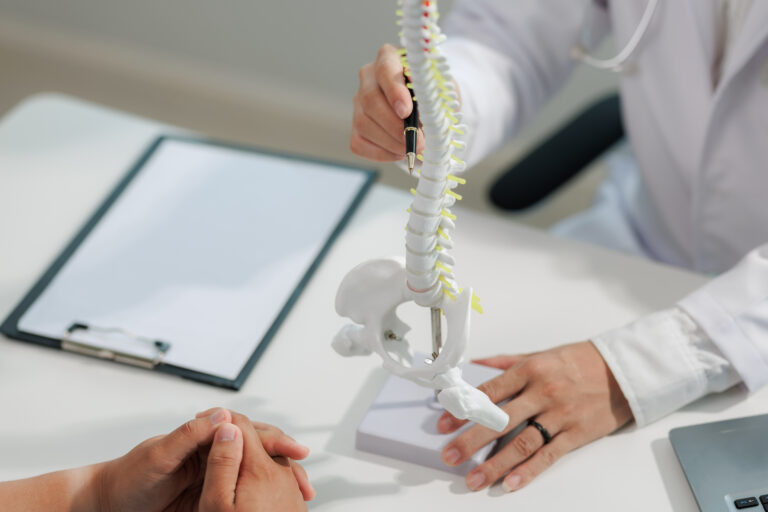

Chiropractic Support After a Sprained Wrist or Elbow
Chiropractic support serves as a pivotal component in the holistic management of wrist or elbow sprains. Through precise adjustments and specialized techniques, chiropractors facilitate the body’s intrinsic healing processes. This approach not only alleviates pain but also enhances joint function and biomechanics. By addressing musculoskeletal imbalances, chiropractic care aids in expediting recovery, potentially preventing future injuries. Explore the multifaceted benefits and methodologies that chiropractic care brings to sprain rehabilitation.
Understanding Wrist and Elbow Sprains
Wrist and elbow sprains are common injuries that occur when the ligaments, the fibrous tissues connecting bones, are stretched or torn. These sprains often result from sudden impacts or awkward twists, typical of activities like sports, falls, or repetitive strain. The holistic understanding of common sprain causes emphasizes the importance of maintaining joint health and flexibility to mitigate risk. Typical sprain symptoms include pain, swelling, bruising, and limited range of motion, which can signal underlying imbalances within the body’s musculoskeletal system. Addressing these symptoms through a wellness-focused approach is essential for recovery and prevention. By acknowledging the body’s interconnected systems, individuals can integrate preventive strategies, encouraging resilience and fostering long-term joint integrity, ultimately promoting holistic well-being.
The Role of Chiropractic Care in Injury Recovery
Chiropractic care plays an integral role in the recovery from wrist and elbow sprains by enhancing the body’s natural healing processes through targeted adjustments and therapeutic techniques. By focusing on reducing pain and inflammation, chiropractic interventions facilitate a reduction in swelling and discomfort, which are common barriers to recovery. Additionally, chiropractic care aims to improve joint mobility, thereby promoting functional restoration and overall well-being.
Enhancing Natural Healing Processes
When recovering from an injury such as a sprained wrist or elbow, integrating chiropractic care can substantially enhance the body’s natural healing processes. Chiropractic methodologies focus on optimizing joint function and supporting musculoskeletal alignment, which are pivotal in facilitating tissue regeneration. By employing specific rehabilitative techniques, chiropractors can stimulate biological healing mechanisms, promoting cellular repair and recovery. Techniques such as manual adjustments and therapeutic exercises are designed to restore proper biomechanics, thereby boosting circulation and nutrient delivery to injured tissues. This holistic approach not only accelerates the healing timeline but also guarantees the restoration of full functional capacity. In other words, chiropractic care plays a critical role in harmonizing the body’s innate ability to heal, fostering an ideal environment for recovery after musculoskeletal injuries.
Reducing Pain and Inflammation
Through targeted chiropractic interventions, individuals experiencing a sprain can achieve significant reductions in pain and inflammation, crucial elements of the recovery process. This approach employs specific techniques to manage inflammation, thereby facilitating a supportive healing environment. Chiropractors utilize methods such as gentle mobilization and soft tissue manipulation to address inflammatory responses. These techniques are designed to soothe discomfort by enhancing circulation and promoting the release of natural analgesics within the body. By focusing on the alignment and function of the musculoskeletal system, chiropractic care aids in modulating the body’s inflammatory mechanisms. This holistic strategy not only alleviates immediate symptoms but also contributes to long-term wellness, ensuring that individuals can return to daily activities with reduced pain and minimized risk of further injury.
Improving Joint Mobility
How does enhancing joint mobility contribute to the recovery process from sprained wrists or elbows? Improving joint mobility is pivotal in facilitating efficient recovery by optimizing biomechanical function. Chiropractic care employs specific adjustments and mobilization techniques to restore joint kinematics, thereby improving joint stability and supporting joint flexibility. By applying targeted manipulations, chiropractors address restrictions in joint movement, which can alleviate compensatory stress on surrounding tissues. This approach not only enhances the range of motion but also promotes neuromuscular coordination, essential for a holistic recovery. Additionally, enhanced joint mobility aids in preventing chronic stiffness and potential re-injury. Chiropractic interventions, consequently, play a critical role in rehabilitating sprained joints, emphasizing the importance of integrated strategies to nurture overall joint health and functionality.
How Chiropractic Adjustments Aid Healing
Chiropractic adjustments play a pivotal role in promoting the body’s natural healing processes by restoring proper joint alignment, which is indispensable for ideal biomechanical function. Through precise manipulations, chiropractors enhance circulatory flow, thereby facilitating nutrient delivery and waste removal in the affected tissues. This integrative approach not only alleviates discomfort but also supports the recovery of sprained wrists or elbows, fostering overall wellness.
Restoring Joint Alignment
A significant aspect of wrist or elbow rehabilitation involves the meticulous process of restoring joint alignment. This indispensable step guarantees joint positioning is ideal, which is paramount for facilitating the body’s natural healing processes. Chiropractic adjustments play a vital role in achieving proper alignment by gently manipulating the affected joints. This technique aids in reducing inflammation, alleviating pain, and enhancing the overall range of motion. By focusing on precise joint positioning, chiropractors support the restoration of physiological balance and structural integrity. The holistic approach adopted by chiropractic care not only addresses the misalignment but also promotes long-term wellness. As a result, individuals experience improved functionality of the wrist or elbow, which is instrumental in their recovery journey after a sprain.
Enhancing Circulatory Flow
Building on the foundation of restoring joint alignment, enhancing circulatory flow is essential in the body’s healing process following a sprained wrist or elbow. Chiropractic adjustments contribute enormously to improved circulation by optimizing vascular function, which is indispensable for delivering crucial nutrients and oxygen to the affected tissues. Through precise spinal and joint manipulations, chiropractors alleviate pressure on blood vessels, promoting unobstructed blood flow. This holistic approach not only decreases inflammation but also expedites tissue repair and regeneration. Enhanced circulation facilitates the removal of metabolic waste products, further aiding recovery. By supporting the body’s intrinsic healing mechanisms, chiropractic care guarantees a more efficient and thorough recovery process, ultimately restoring mobility and function to the injured wrist or elbow.
Techniques Used by Chiropractors for Sprain Rehabilitation
When addressing sprains in the wrist or elbow, chiropractors employ a range of specialized techniques aimed at facilitating recovery and restoring functional mobility. These techniques are designed to support the body’s innate healing abilities, emphasizing a patient-centered approach. Primary among these are rehabilitative exercises and joint mobilization techniques, tailored to each individual’s needs. Such interventions not only enhance biomechanical alignment but also promote overall wellness.
- Rehabilitative exercises: Strengthen and stabilize muscles and tendons, fostering resilience.
- Joint mobilization techniques: Gently restore range of motion and reduce discomfort.
- Soft tissue manipulation: Eases tension and supports natural healing processes.
- Therapeutic ultrasound: Stimulates tissue repair and decreases inflammation.
- Holistic lifestyle guidance: Encourages lifestyle modifications to promote long-term joint health.
Benefits of Chiropractic Support for Sprains
Chiropractic support offers a multifaceted approach to managing sprains, providing both immediate and long-term benefits to patients. This holistic intervention focuses on optimizing joint stabilization, indispensable for preventing further injury and promoting efficient healing. Chiropractors employ precise techniques to guarantee that the joints of the wrist or elbow are properly aligned, which aids in reducing inflammation and enhancing mobility. Additionally, proprioceptive training is a core component of chiropractic care for sprains, designed to restore the body’s natural ability to sense joint position and movement. By improving proprioception, patients experience enhanced coordination and balance, which are crucial for preventing recurrent sprains. Ultimately, chiropractic care supports the body’s natural healing processes, fostering a resilient recovery and maintaining overall wellness.
Integrating Chiropractic Care With Traditional Treatments
Integrating chiropractic care with traditional treatments offers an all-encompassing strategy for managing sprained wrists or elbows, enhancing the overall recovery process. This integrative approach combines the precision of chiropractic adjustments with conventional medical interventions, fostering a holistic healing journey. It embraces complementary therapies and addresses nutritional recommendations, ensuring the body receives ideal support for recovery. Patients may experience:
- Accelerated healing through balanced, coordinated care.
- Reduced pain and inflammation, promoting comfort.
- Improved mobility with targeted chiropractic techniques.
- Strengthened immunity from nutritional support.
- Enhanced emotional well-being, fostering resilience.
This synergy between chiropractic and traditional methods empowers individuals, offering a robust framework for healing. By harmonizing diverse therapeutic modalities, patients are provided with a comprehensive path to recovery, aligning physical, nutritional, and emotional elements for maximum wellness.
Preparing for Your Chiropractic Appointment
A successful chiropractic appointment begins with thorough preparation, guaranteeing a seamless and effective experience. Patients should commence by documenting treatment goals, focusing on alleviating pain, enhancing mobility, and promoting overall wellness. Clearly articulated objectives will assist the chiropractor in tailoring a personalized care plan that aligns with the patient’s wellness aspirations. Additionally, compiling an extensive health history, including previous injuries and current symptoms, will facilitate a more informed assessment. Prior to the appointment, individuals are encouraged to prepare questions regarding their condition and chiropractic interventions. It is vital to ponder logistical aspects, such as confirming the appointment time and location, to avoid unnecessary stress. Finally, scheduling follow-up appointments is crucial for consistent monitoring and adjustment of the treatment plan to ensure ideal recovery.
What to Expect During Chiropractic Sessions
During chiropractic sessions, patients can anticipate a thorough, extensive, or all-encompassing approach that integrates manual adjustments, therapeutic exercises, and lifestyle guidance. Chiropractors employ specialized adjusting techniques to realign the musculoskeletal structure, aiming to restore optimal wrist and elbow function. Emphasis is placed on rehabilitative exercises tailored to enhance mobility and strength. These sessions are not merely physical; they encompass a holistic wellness path encouraging overall health improvement. Patients may experience:
- A sense of empowerment through personalized recovery plans.
- Relief as pain is alleviated with targeted adjustments.
- Increased confidence in performing daily activities.
- Reassurance from a focus on natural, non-invasive treatments.
- Motivation to embrace healthy lifestyle changes.
This integrative approach guarantees a comprehensive pathway towards healing and recovery.
Long-term Recovery and Prevention Strategies
While addressing the aftermath of a sprained wrist or elbow, long-term recovery and prevention strategies are pivotal in ensuring sustained joint health and function. Strengthening exercises form the cornerstone of these strategies, focusing on enhancing muscle support and improving range of motion around the affected joints. Isometric and isotonic exercises are recommended to gradually rebuild strength without overstressing the healing tissues. Equally important are lifestyle modifications, which involve ergonomic adjustments and activity pacing to reduce repetitive strain. Incorporating wrist-friendly tools and maintaining ideal postures during daily activities can substantially mitigate the risk of reinjury. Chiropractic guidance in these areas facilitates a tailored approach, blending therapeutic exercises with lifestyle adjustments to promote prime joint resilience and overall wellness.
Frequently Asked Questions
Are There Any Risks Associated With Chiropractic Treatment for Sprains?
Potential side effects, such as discomfort or soreness, and contraindications for treatment, particularly in cases of severe injury or underlying conditions, must be considered. A holistic approach guarantees careful evaluation, optimizing wellness and minimizing risks associated with chiropractic care.
How Soon After a Sprain Should I Seek Chiropractic Care?
Following a sprain, an individual should consider seeking an immediate chiropractic evaluation to assess injury severity. A practitioner may then recommend a rehabilitative exercise program, integrating a holistic approach to enhance recovery and prevent future complications.
Can Chiropractic Care Help Reduce Swelling in a Sprained Wrist or Elbow?
Joint mobilization techniques and range of motion exercises may facilitate fluid drainage and enhance circulation, potentially reducing swelling. This holistic approach promotes healing by improving joint function and flexibility, fostering overall wellness and supporting the body’s natural recovery processes.
Will Insurance Cover Chiropractic Treatment for Sprain Recovery?
Insurance coverage for sprain recovery through chiropractic care depends on policy limits and treatment timeframe. Patients are advised to review their wellness-focused plans, ensuring alignment with a holistic approach while adhering to technical language outlined by insurers.
How Do I Choose a Qualified Chiropractor for Sprain Rehabilitation?
When selecting a qualified chiropractor for sprain rehabilitation, one should consider their expertise in rehabilitative exercises and joint mobilization techniques. A holistic approach guarantees thorough care, fostering ideal recovery and wellness through technical, evidence-based strategies tailored to individual needs.