How Chiropractic Adjustments Aid in Recovering From a Groin Strain
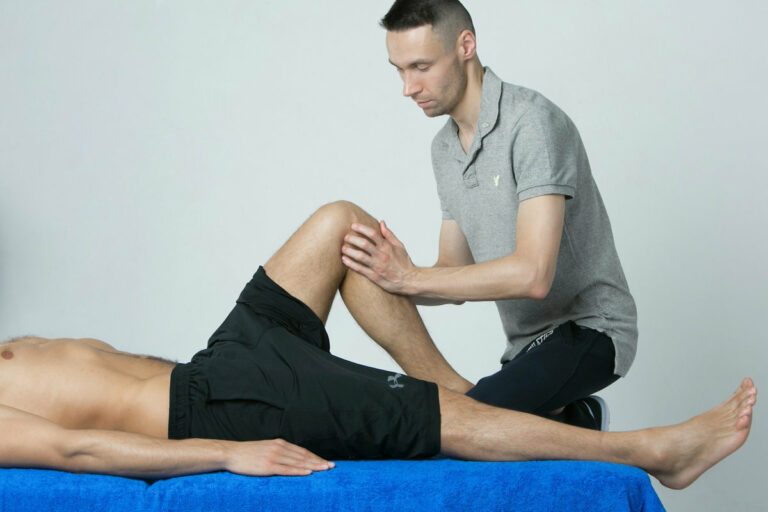
Chiropractic adjustments can be pivotal in recovering from a groin strain by addressing biomechanical imbalances. These adjustments aim to realign the spine and joints, improving core stability and joint mobility. Such improvements may enhance nerve function and alleviate pressure on neural pathways, promoting muscular balance and correcting asymmetries. This holistic approach not only aids recovery but also helps prevent further strain, potentially offering an effective path to expedited healing.
Understanding Groin Strains and Their Impact
A groin strain, often resulting from overstretching or tearing of the adductor muscles in the inner thigh, can considerably impede athletic performance and daily activities. Identifying causative factors is indispensable, as these strains frequently occur due to sudden changes in direction, inadequate warm-up, or muscle imbalances. Recognizing early warning signs, such as sharp pain in the inner thigh, swelling, or difficulty in moving the leg, can prevent further injury. The strain severity ranges from mild discomfort to severe pain, requiring varied interventions. A holistic approach to understanding groin strains involves evaluating individual biomechanics and training regimens. This thorough understanding aids in devising effective prevention strategies, ultimately minimizing the impact on an individual’s physical capabilities and lifestyle.
The Role of Chiropractic Care in Injury Recovery
Chiropractic care plays a crucial role in the recovery from groin strains by focusing on aligning musculoskeletal structures, which can alleviate pressure on affected areas. This alignment not only supports the body’s natural healing processes but also enhances blood circulation, promoting efficient delivery of nutrients and oxygen to the injured tissues. Additionally, chiropractic techniques can naturally reduce inflammation, thereby facilitating a quicker and more holistic recovery.
Aligning Musculoskeletal Structures
While recovering from a groin strain, aligning musculoskeletal structures can play a pivotal role in facilitating effective healing. Chiropractic care focuses on restoring proper alignment through manual adjustments, which can markedly enhance musculoskeletal function. A key component of this approach involves myofascial release techniques, which target the fascia surrounding muscles, helping to reduce tension and improve flexibility. By addressing soft tissue restrictions, these techniques promote a balanced distribution of muscular forces. Additionally, muscle imbalance correction is essential in preventing compensatory movements that may exacerbate the injury. Chiropractors assess and adjust muscle groups to restore symmetry and function, thereby supporting the body’s natural healing processes. Collectively, these interventions work to optimize structural alignment and mitigate the risk of further strain.
Enhancing Blood Circulation
Effective recovery from a groin strain greatly benefits from enhanced blood circulation, a pivotal factor in delivering essential nutrients and oxygen to injured tissues. Chiropractic care plays a central role in this process. By employing specific adjustments and manipulations, chiropractors can promote improved oxygen delivery and facilitate accelerated tissue repair. These techniques aid in optimizing the body’s circulatory pathways, ensuring that blood flows more efficiently to the affected area. This enhanced circulation is integral to the healing process, as it not only supplies the necessary oxygen but also removes metabolic waste products from the injury site. Consequently, chiropractic interventions contribute to reduced recovery times and improved functional outcomes, emphasizing the importance of a holistic approach to musculoskeletal rehabilitation.
Reducing Inflammation Naturally
Beyond enhancing blood circulation, another key aspect of recovering from a groin strain involves reducing inflammation naturally. Integrating natural anti inflammatory herbs, such as turmeric and ginger, can be pivotal. These herbs contain bioactive compounds that may inhibit inflammatory pathways, thus promoting healing. Additionally, incorporating topical pain relief creams infused with menthol or arnica provides localized relief and reduces inflammation efficiently. Chiropractic care complements these methods by ensuring proper alignment and reducing nerve irritation, further aiding the body’s natural healing processes. This holistic approach not only targets the inflammation but also addresses the underlying biomechanical issues, thereby facilitating a more extensive recovery. By combining chiropractic techniques with natural remedies, the body can harness its intrinsic healing capabilities, optimizing the recovery from a groin strain.
How Chiropractic Adjustments Work
Chiropractic adjustments aim to correct misalignments in the spine and joints, facilitating ideal nerve function and alleviating discomfort. By restoring proper alignment, these adjustments can enhance communication between the nervous system and the rest of the body, promoting healing and recovery. Additionally, they contribute to muscular balance, which is essential in preventing further strain and supporting overall physical stability.
Spine and Joint Alignment
How exactly do chiropractic adjustments contribute to spine and joint alignment, particularly in cases such as recovering from a groin strain? Chiropractic care aims to enhance core stability and joint mobility, both of which are indispensable for efficient movement and recovery. Misalignments in the spine may lead to compensatory patterns, affecting the pelvis and surrounding muscles, which can exacerbate a groin strain. By employing specific manual techniques, chiropractors realign the spine and joints, fostering balanced weight distribution. This process not only alleviates stress on the affected regions but also facilitates improved core stability. Amplified joint mobility guarantees a suitable range of motion, aiding in the prevention of further injuries. Through these adjustments, chiropractic care supports holistic recovery by addressing biomechanical imbalances.
Nerve Function Improvement
Why do chiropractic adjustments play a pivotal role in enhancing nerve function during recovery from conditions like a groin strain? The process involves precise spinal manipulations that alleviate pressure on neural pathways, facilitating nerve signaling enhancement. Misalignments in the spine can impede the communication between the central nervous system and peripheral nerves, which may exacerbate recovery time. By correcting these misalignments, chiropractic care guarantees ideal nerve conduction, aiding in quicker recovery. Improved sensory perception is another benefit; accurate nerve signals allow the body to better interpret sensory input, contributing to a holistic healing process. Enhancing nerve function is essential not only for pain relief but also for restoring proper communication between the body’s muscular and neurological systems, thereby supporting thorough recovery.
Muscular Balance Restoration
Restoring muscular balance is a fundamental aspect of recovery from a groin strain, and chiropractic adjustments are instrumental in achieving this equilibrium. Such adjustments focus on muscle imbalance correction, addressing the asymmetries that often develop due to injury or compensation patterns. By targeting specific joint dysfunctions, chiropractic interventions help to restore postural alignment, ensuring that the body’s structure is ideally supported. This realignment not only alleviates undue stress on the groin muscles but also promotes uniform muscle engagement and function. Additionally, chiropractic care enhances neuromuscular coordination, which is pivotal for preventing further strain and promoting efficient movement patterns. By correcting these imbalances, chiropractic adjustments facilitate a holistic recovery process, allowing for a return to normal activity levels with reduced risk of re-injury.
Aligning the Pelvis for Optimal Healing
Aligning the pelvis is a vital component in the recovery process of a groin strain, as it ensures proper biomechanical function and reduces undue stress on surrounding tissues. Pelvic stabilization is essential to guarantee the pelvis remains in a neutral position, facilitating ideal muscle function and minimizing compensatory patterns. This alignment aids in distributing forces evenly across the musculoskeletal system, preventing exacerbation of the injury. Proprioceptive training plays a pivotal role in this process, enhancing neuromuscular control and awareness of pelvic positioning. By reinforcing the body’s kinesthetic sense, proprioceptive exercises help maintain pelvic alignment during dynamic activities, indispensable for effective rehabilitation. This holistic approach of combining manual adjustments with targeted exercises considerably enhances recovery outcomes for individuals suffering from groin strains.
Reducing Inflammation Through Chiropractic Techniques
Addressing inflammation is a fundamental aspect of rehabilitating a groin strain, complementing pelvic alignment strategies. Chiropractic techniques offer a non-invasive approach to reducing inflammation, thereby supporting muscle recovery. By employing specific adjustments, chiropractors can help realign the musculoskeletal system, which may diminish swelling and promote a balanced healing environment. Techniques such as spinal manipulation and soft tissue therapy are employed to target areas of tension and misalignment, indirectly alleviating pressure on the groin area. This holistic approach not only fosters a reduction in inflammation but also aids in restoring normal movement patterns. The strategic application of these techniques can enhance the body’s natural healing processes, providing an essential component of an extensive recovery plan for individuals suffering from a groin strain.
Enhancing Circulation and Blood Flow
Ideal recovery from a groin strain necessitates enhancing circulation and blood flow as a pivotal component of rehabilitation. Improved circulation is essential for increasing oxygen levels, which is fundamental for the health of tissues strained during injury. Chiropractic adjustments can be instrumental in optimizing blood flow, effectively promoting tissue repair and accelerating recovery. These adjustments focus on aligning the spine and joints, which can alleviate vascular restrictions, thereby enhancing the blood supply to the affected region. Key benefits of enhanced circulation include:
- Increasing oxygen levels: Essential for cellular function and energy production.
- Promoting tissue repair: Enhances the delivery of nutrients necessary for healing.
- Reducing recovery time: Expedited healing process due to efficient nutrient and oxygen transport.
This holistic approach supports the body’s natural healing mechanisms.
Balancing the Musculoskeletal System
How does one guarantee satisfactory recovery from a groin strain? Ensuring a balanced musculoskeletal system is pivotal. Chiropractic adjustments target joint mobility, a critical factor in maintaining flexibility and reducing muscular tension. By restoring proper joint function, these adjustments alleviate strain on surrounding tissues, promoting an ideal healing environment. Postural correction is equally significant; improper posture can exacerbate stress on the groin area, hindering recovery. Chiropractors assess and correct posture through tailored techniques, ensuring the alignment of the musculoskeletal system. This alignment facilitates balanced muscle function, reducing the risk of compensatory injuries. By addressing both joint mobility and postural correction, chiropractic care supports thorough recovery, encouraging the body’s natural healing processes and minimizing the likelihood of recurrent strain.
Complementary Therapies in Chiropractic Care
What additional methods can enhance the efficacy of chiropractic care for groin strain recovery? Integrative techniques and holistic approaches play pivotal roles in this domain. By combining chiropractic adjustments with complementary therapies, practitioners aim to expedite healing and improve overall well-being.
- Massage Therapy: Facilitates muscle relaxation, enhances circulation, and reduces inflammation, promoting swift recovery.
- Acupuncture: Utilizes fine needles to stimulate specific points, potentially alleviating pain and restoring balance to the body’s energy flow.
- Physical Therapy Exercises: Tailored exercises strengthen surrounding muscles, increase flexibility, and support the recovery process.
These complementary therapies work synergistically, addressing not only the physical symptoms but also contributing to a holistic recovery, ensuring that patients achieve ideal musculoskeletal health.
Real-Life Success Stories and Testimonials
While recovering from a groin strain, many individuals have experienced significant improvements through integrative chiropractic care, underscoring its effectiveness. Client experiences reveal a consistent pattern of reduced pain and enhanced mobility. One patient testimonial highlighted the holistic approach, noting improvements in not just the injured area but overall body alignment. Another client emphasized the tailored treatment plans, which included adjustments and complementary therapies, leading to expedited recovery. These patient testimonials frequently mention a decrease in reliance on pain medication and a return to normal activities sooner than anticipated. The collective client experiences suggest that chiropractic care offers a viable and effective recovery pathway, addressing both the immediate symptoms and the underlying causes of groin strains holistically.
Frequently Asked Questions
How Long Does a Typical Chiropractic Adjustment Session Take?
A typical chiropractic adjustment session’s duration ranges from 10 to 20 minutes. Adjustment frequency varies based on individual needs, with some requiring multiple sessions weekly, while others may benefit from less frequent visits for ideal recovery and maintenance.
Are There Any Risks Associated With Chiropractic Adjustments for Groin Strains?
Potential risks associated with chiropractic adjustments for groin strains include potential nerve damage and increased inflammation. A thorough assessment by a healthcare professional is essential to mitigate these risks and guarantee safe, effective treatment tailored to individual patient needs.
How Soon Can One Expect Results From Chiropractic Treatment?
The expected recovery timeline from chiropractic treatment varies per individual, depending on factors such as severity and body response. Typically, noticeable improvements can manifest within weeks, as the chiropractic treatment approach aims to restore balance and function holistically.
Is Chiropractic Care Suitable for All Ages With a Groin Strain?
Chiropractic care suitability varies with age, requiring pediatric population considerations for growth and development, and geriatric population adaptations for bone density and joint health. Practitioners tailor techniques to guarantee safe, effective treatment across all age groups with groin strain.
What Should One Wear to a Chiropractic Adjustment Session?
When attending a chiropractic adjustment session, wearing comfortable clothing is essential. Loose fitting attire allows for unrestricted movement and facilitates the chiropractor’s ability to perform manipulations effectively, ensuring a holistic approach to musculoskeletal alignment and recovery.